

ILOILO – Even as overall dengue infections continue to decline in this province, health authorities are closely monitoring six municipalities where clusters of new cases have emerged, raising concerns over the risk of localized outbreaks.
According to the Iloilo Provincial Health Office (IPHO), as of April 26, the following barangays have recorded at least three dengue cases within a four-week period — qualifying them as having clustering of cases:
* Poblacion, Alimodian (four cases)
* Agcuyawan Calsada, Barotac Nuevo (three cases)
* Romblon, Dueñas (three cases)
* Botong, Oton (three cases)
* Cansilayan, Pototan (five cases)
* To-og, San Joaquin (five cases)
“These clusters indicate that transmission is still happening in specific areas,” said Dr. Maria Socorro Colmenares-Quiñon, IPHO chief. “We must not be complacent. The more cases we have, the higher the chances of complications or deaths.”
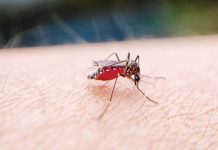
Dengue is a mosquito-borne viral infection transmitted primarily by the bite of infected female Aedes aegypti and Aedes albopictus mosquitoes, which breed in stagnant water.
Common symptoms include high fever, severe headache, pain behind the eyes, muscle and joint pains, skin rashes, nausea, and fatigue.
Severe cases can lead to internal bleeding, organ damage, and even death.
There is no specific cure for dengue, but early detection and proper medical care significantly reduce fatality rates.
Prevention hinges on community efforts to destroy mosquito breeding sites, use insect repellents, wear protective clothing, and seek immediate medical attention when symptoms arise.
Despite a declining trend in dengue cases across Iloilo Province — reflected by a negative 27% two-week growth rate (107 cases over the last two weeks compared to 146 in the previous period) — Quiñon warned that the emergence of clusters means sustained vigilance is necessary.
From January 1 to April 26, Iloilo recorded a total of 1,519 dengue cases and eight deaths — an 84% increase compared to the same period in 2024, which logged only 827 cases and three deaths.
Children remain the most affected, with the breakdown of cases by age group as follows:
* one to nine years old – 539 cases
* 40 years old and above – 209 cases
* 20 to 29 years old – 205 cases
* 30 to 39 years old – 88 cases
* less than one year old – 43 cases
* 10 to 19 years old – 29 cases
The municipalities with the highest number of dengue cases this year are San Joaquin – 120; Oton – 89 (one death); Leon – 82; Cabatuan – 73; Dumangas – 70; Lambunao – 57; San Dionisio – 56; Pototan – 49 (two deaths); Janiuay – 47; Calinog – 46.
In response, the IPHO is intensifying its 4S strategy in the six clustering municipalities focused on:
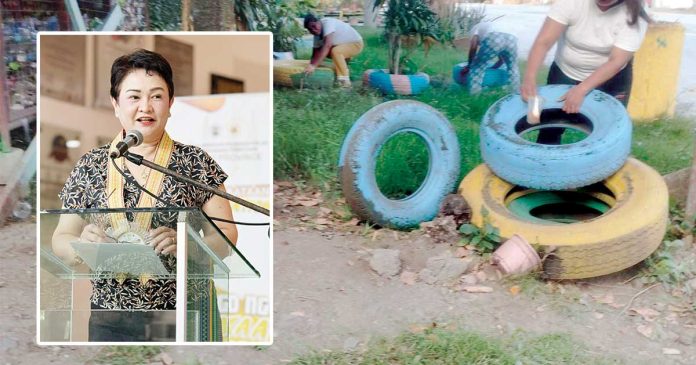
* search and destroy mosquito breeding sites
* self-protection measures such as repellents and long clothing
* seek early consultation at the first sign of symptoms
* support fogging operations in hotspot areas
The public is also urged to actively participate in the provincewide “Limpyo Iloilo, Kada Lunes nga Lihok Kontra Lamok” (Clean Iloilo: Monday Movement Against Mosquitoes) every Monday to eliminate stagnant water in homes and communities.
“We cannot afford to wait for numbers to surge again before we act,” Quiñon emphasized. “Community cooperation is still our strongest weapon against dengue.”
Other areas which reported dengue cases were Ajuy (43), Passi City (42), Pavia (41), Banate (40), Barotac Viejo (40), Maasin (38), Estancia (37), Sara (37), Concepcion (36), Barotac Nuevo (35), Tigbauan (35 cases with one death), Santa Barbara (31), Miag-ao (29), Carles (27 cases with one death), Guimbal (27), San Miguel (26), Anilao (23), Batad (23), Dingle (21), Dueñas (20 cases with one death), Badiangan (20), Alimodian (18), Balasan (16 cases with one death), San Rafael (16), Leganes (15), Tubungan (15), Lemery (14), Bingawan (12), Igbaras (12), Mina (12), San Enrique (12), Zarraga (10), and New Lucena (six)./PN