



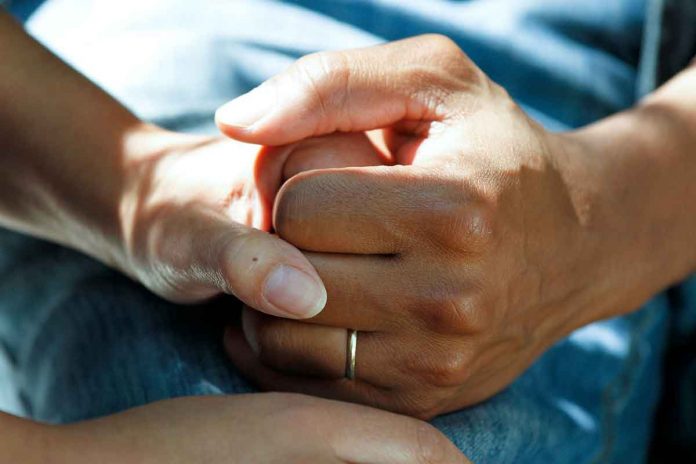
ILOILO City – How are you feeling today? Simply asking this to a household member or a friend should be everyone’s responsibility, according to the Department of Health (DOH).
“Gina-emphasize gid naton ang responsibility sang kada isa as a parent, sibling, as a member of the community, especially subong nga time of pandemic, bisan simple lang nga pagkamusta sa aton nga mga upod sa balay, sa aton mga friends,” said Dr. Bea Camille Natalaray, medical coordinator for Mental Health Program of the DOH-6, in line with today’s marking of World Suicide Prevention Day.
Between January 2020 and June this year, Region 6 recorded a total of 504 suicide cases – 337 of which were listed in 2020 and 167 in the first and second quarters of 2021.
Here’s the breakdown of the suicide cases in 2020:
* Aklan – 40
* Antique – 24
* Bacolod City – 19
* Capiz – 36
* Guimaras – 26
* Iloilo City – 14
* Iloilo province – 103
* Negros Occidental – 75
Meanwhile, here are the cases recorded this year:
* Aklan – 18
* Antique – 20
* Bacolod City – six
* Capiz – 22
* Guimaras – five
* Iloilo City – nine
* Iloilo province – 47
* Negros Occidental – 40
The most affected age groups in 2020 are as follows: eight to 16 years old – 38 cases; 17 to 30 years old – 136 cases; 31 to 45 years old – 71 cases; and 46 and above – 90 cases.
What are the most common reasons why people die by suicide?
In 2020, according to Natalaray, the reasons include depression; personal problems like that in family or relationship; and those having an existing mental health conditions.
Natalaray said depression refers to a person’s feeling for at least two weeks that include deep sadness, changes in appetite, increased fatigue, sleep problems, restlessness, or looking at death.
On the part of the DOH, they continue to offer capacity building activities to health facilities like the Rural Health Units (RHUs) to provide mental health and psychosocial support services to the community.
Natalaray is encouraging the public to avail of these services.
‘WATCH FOR THE SIGNS’
Natalaray advised everyone to keep a close eye on each family member, particularly for a dramatic change of mood or behavior where one often speaks of hopeless outlook in life.
Other signs to watch out for are the loss of interest or withdrawal from society, family and things one always enjoyed doing, and changes in appetite.
One should also be observant on a friend’s or family member’s posts on social media.
When a person has a change in behavior or has hinted at suicide, Natalaray advised everyone to reach out to the concerned persons.
Most young adults have died by suicide, according to Natalaray.
“Ang young adults are those uncomfortable nga mag-share sang ila nabatyagan sa ila kapwa young adult, that’s why it’s important man nga ma-educate ang aton kabataan to reach out to their friends, and ang aton man nga parents to also watch for sa aton kabataan,” Natalaray added.
Meanwhile, the DOH official cannot directly point to the COVID-19 pandemic of people’s dying by suicide last year or even this year.
Natalaray explained that suicide is complex and multi-factorial in which many factors contribute.
However, Natalaray acknowledged that the current pandemic may have brought the feeling of uncertainty and vulnerability.
It’s best to connect either physically or virtually to family or friends, Natalaray said./PN