



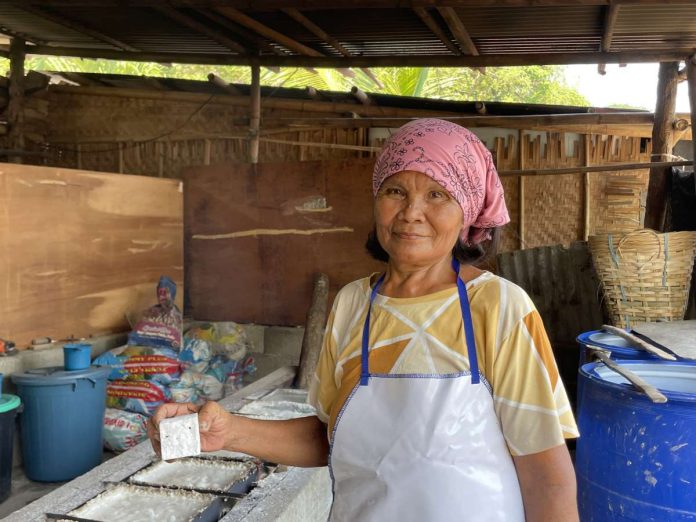
PHOTOS BY: French Rovie Antiza, University of Antique Intern
WHEN people think of Guimaras, they often picture sun-drenched orchards heavy with the sweetest mangoes in the world.
But beyond the island’s celebrated fruit lies another treasure—one shaped not by trees, but by fire, ash, and seawater.
In Barangay Hoskyn in the municipality of Jordan, the Padohinog family continues a painstaking tradition that has survived for more than three decades: the making of tultul salt.
Known locally as “asín nga may kalayo,” or salt born of fire, tultul is far removed from the ordinary table salt sold in groceries. It is handcrafted through an intricate process that can take nearly two weeks of preparation and two more days of finishing.
At the center of this enduring craft is 67-year-old Sherley Padohinog, a mother of 10 whose hands have spent decades tending flames and shaping one of Guimaras’ most distinctive products.
“This is our livelihood and our heritage,” she said. “It helped me send my children to school.”
Salt with a story
Unlike commercial salt, which is usually made by evaporating seawater under the sun, tultul requires a labor-intensive method passed down through generations.
The process begins not with seawater, but with driftwood and discarded bamboo gathered along the shore.
For one week, the family collects washed-up bamboo and wood debris from the beach. These are burned into ash, which is then placed in a large woven basket called a kaing.
Seawater is poured over the ash. As it filters through, it absorbs the minerals and salts from the ash, producing a concentrated brine.
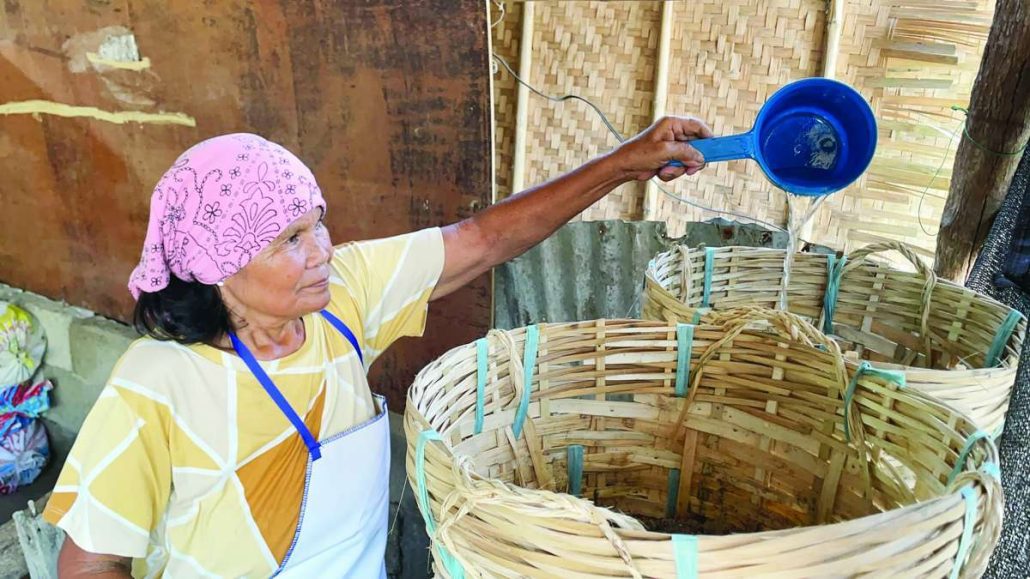
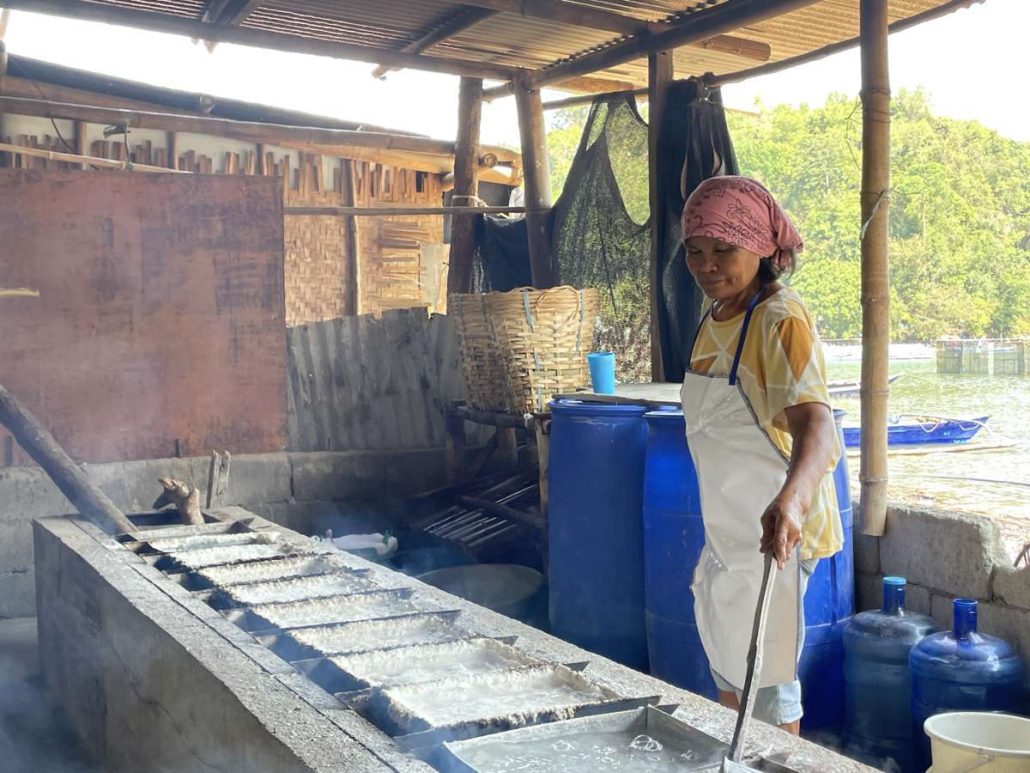
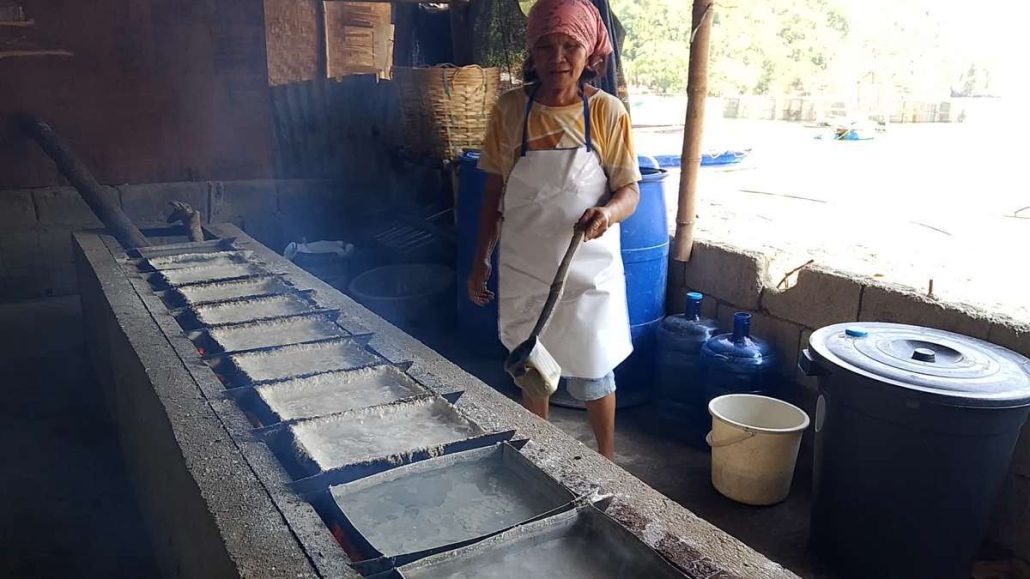
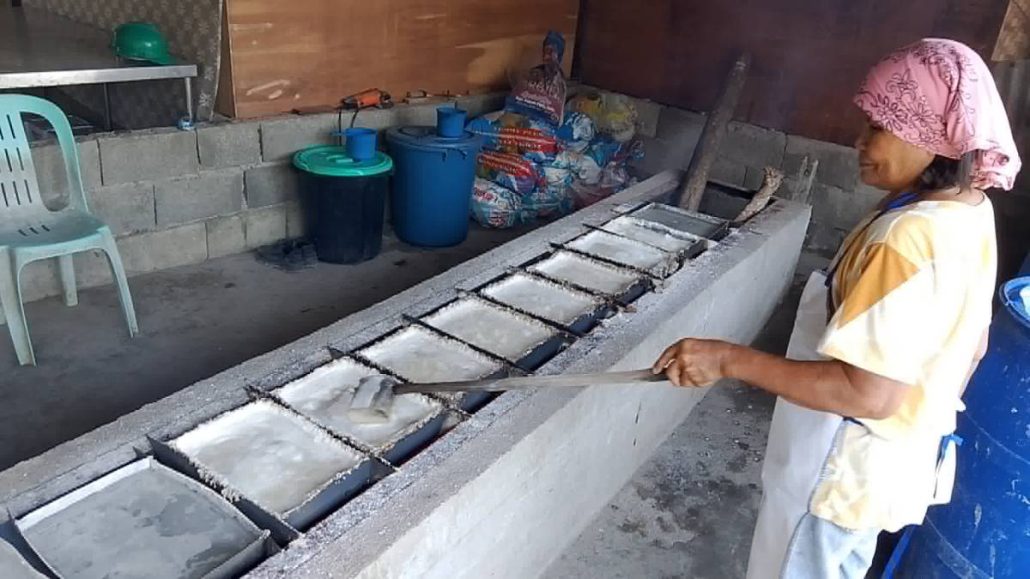
This liquid is collected and transferred to large metal molds known locally as “blocks.”
The brine is then cooked over a steady wood fire for eight to 10 hours.
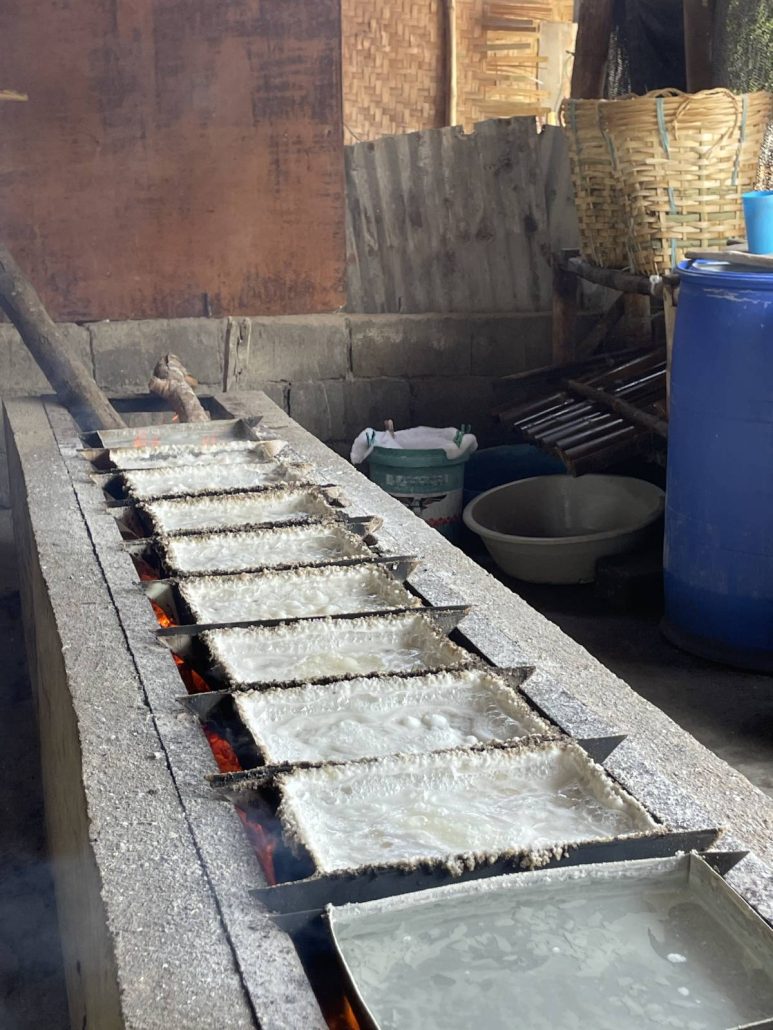
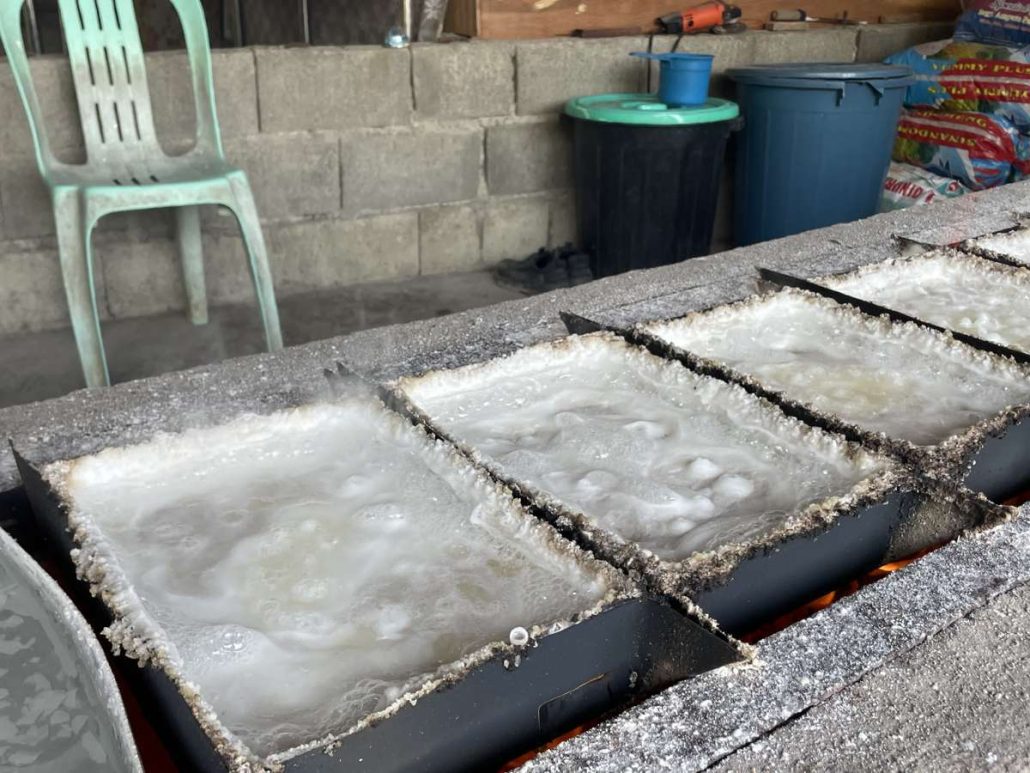
From six in the morning until late afternoon, Sherley and her children take turns feeding the fire and refilling the molds with more concentrated brine.
The work demands constant attention.
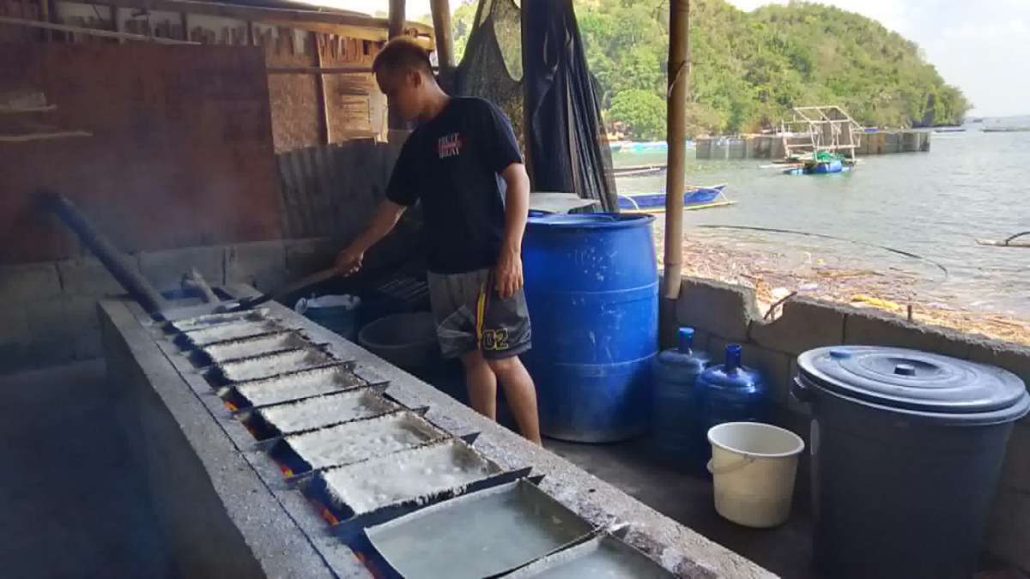
“If no one watches it, the salt can burn and the entire batch can be ruined,” Sherley explained.
A small amount of coconut milk is added—a family secret that enhances the flavor and gives the salt its distinct savory taste.
Once hardened, the salt is left to cool before being cut into square pieces measuring roughly two inches by two inches.
Because the blocks become extremely dense, slicing them with a grinding machine can take up to two days.
Each piece is carefully trimmed and cleaned before being packed for customers.
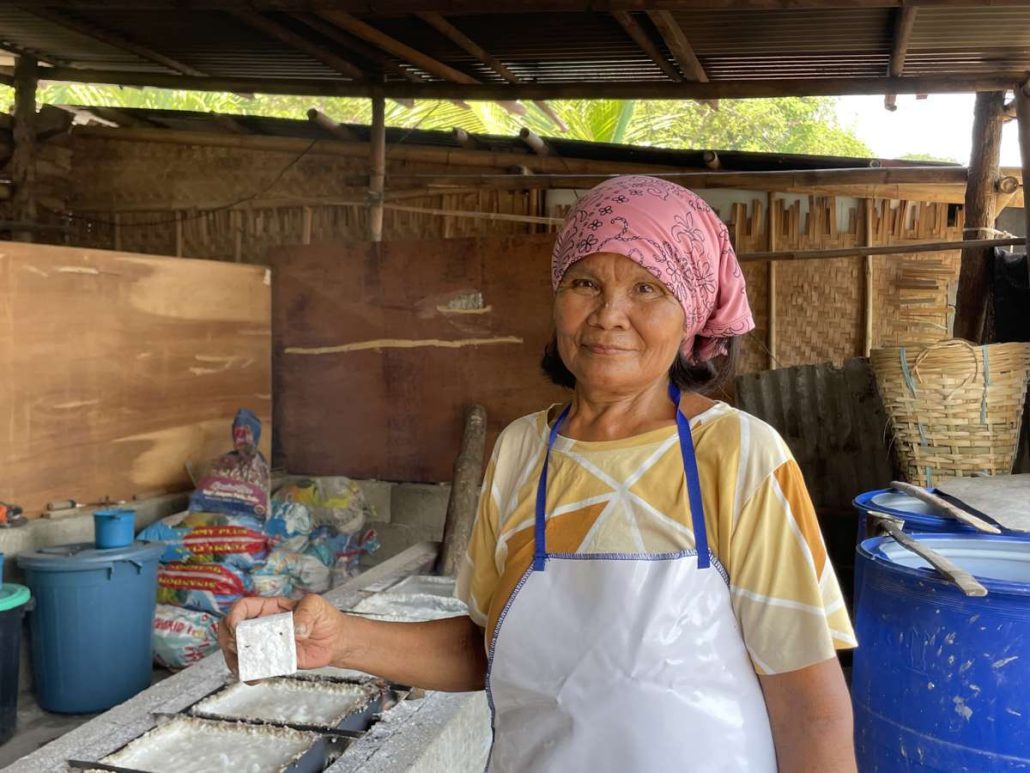
A livelihood forged in fire
The process is exhausting, but it remains the Padohinog family’s primary source of income.
Producing eight large blocks of tultul can generate around P20,000. Each block sells for about P2,400, with earnings shared among Sherley and her children who help in the production.
The work also comes with costs. The family spends P2,000 to P2,500 on large firewood logs needed to sustain the heat for hours.
Because of the labor and expense involved, they produce tultul only once or twice a month, depending on orders.
Still, the income has been enough to support Sherley’s youngest child, who is now finishing school.
“I have no other source of income,” she said. “That is why I continue making tultul.”
From humble beginnings to global reach
Years ago, Sherley traveled to towns in Iloilo to sell slices of tultul for only 50 centavos to P1 each.
Today, her product has become a sought-after delicacy and souvenir.
Customers include local establishments such as the Trappist Monastery, government agencies, and tourists who visit the family’s home to reserve their orders.
The Department of Trade and Industry (DTI) has also featured tultul as a distinctive Guimaras product and uses it as a gift for guests.
Even more remarkable, the handmade salt has found its way to the United States, Canada, Australia, and London through balikbayans and foreign buyers.
“When people taste our salt, they always say it is delicious,” Sherley said with pride.
Preserving culture, protecting the coast
Beyond its economic value, tultul production helps preserve both cultural heritage and the environment.
By gathering driftwood and bamboo debris from the shoreline, the Padohinog family helps keep coastal areas clean.
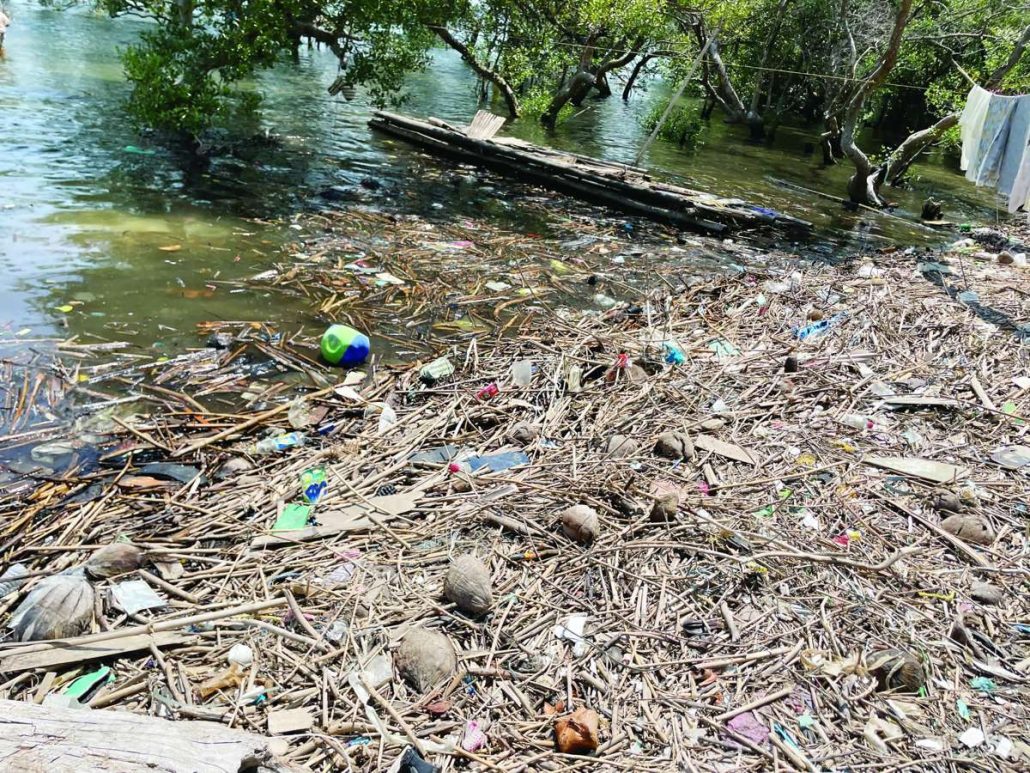

Barangay officials and the local government have recognized their contribution in maintaining the beaches while safeguarding an age-old craft unique to Guimaras.
A taste of tradition
In an era dominated by mass production and instant convenience, tultul salt stands as a testament to patience, resilience and family cooperation.
Every square of salt carries the smoke of burning wood, the richness of the sea and the story of a mother determined to provide for her children.
For visitors celebrating Manggahan Festival, Guimaras offers more than the sweetness of mangoes.
It offers a taste of tradition—bold, earthy and unmistakably its own.
And in the hands of Sherley Padohinog, that tradition continues to endure, one block of salt at a time./PN