



MANY PEOPLE set resolutions focused on fitness, nutrition, or mental well-being.
However, oral health is often overlooked, even though it plays a vital role in overall health and confidence.
Making oral health a priority can lead to a healthier smile, prevent costly dental problems, and support your general well-being.
One of the simplest and most effective resolutions is to improve daily oral hygiene habits.
Brushing your teeth twice a day with fluoride toothpaste is essential for removing plaque and preventing cavities. Many people rush through brushing, but dentists recommend brushing for a full two minutes each time.
Using the proper technique — gentle circular motions and brushing along the gumline — can make a significant difference.
Adding daily flossing to your routine is another powerful resolution. Flossing removes food particles and plaque from areas your toothbrush cannot reach, reducing the risk of gum disease and bad breath.
Another important New Year’s resolution is to schedule regular dental checkups. Many dental problems, such as cavities and gum disease, develop slowly and may not cause pain in the early stages.
Visiting your dentist at least twice a year allows for early detection and treatment, saving you discomfort and money in the long run.
Professional cleanings also remove hardened plaque (tartar) that cannot be removed with brushing alone, helping to keep your teeth and gums healthy.
Dietary habits also have a strong impact on oral health. Reducing sugar intake is a valuable resolution, as sugary foods and drinks feed the bacteria that cause tooth decay.
Limiting soda, candy, and frequent snacking can significantly lower your risk of cavities. Instead, aim to eat more tooth-friendly foods such as fruits, vegetables, dairy products, and nuts.
Drinking plenty of water, especially fluoridated water, helps wash away food particles and neutralize acids in the mouth.
For those who smoke or use tobacco products, quitting or reducing use can be a life-changing oral health resolution. Tobacco increases the risk of gum disease, tooth loss, bad breath, and oral cancer.
Be motivated to seek support, whether through counseling, nicotine replacement therapies, or support groups, to move toward a tobacco-free lifestyle.
Finally, consider resolving to protect your teeth from damage. If you grind your teeth at night, talk to your dentist about a custom night guard. If you play sports, wearing a mouthguard can prevent serious dental injuries.
Small preventive steps like these can preserve your smile for years to come.
Resolutions for oral health do not need to be complicated. By committing to better daily hygiene, regular dental visits, healthier eating habits, and preventive care, you can have a strong foundation for a healthier mouth and a more confident smile.
A healthy smile is not just a cosmetic benefit — it is an investment in your overall health and quality of life.
***
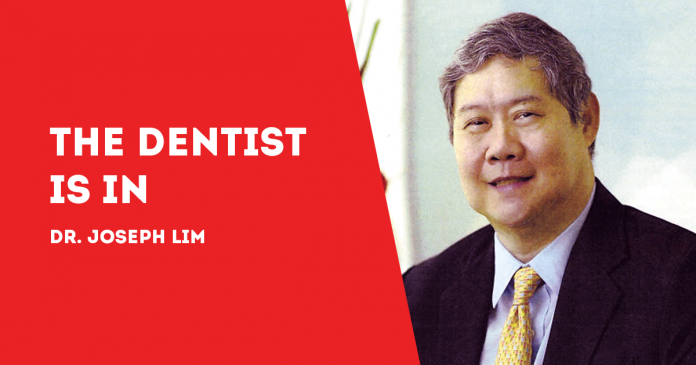
Dr. Joseph D. Lim, Ed. D., is the former Associate Dean of the College of Dentistry, University of the East; former Dean, College of Dentistry, National University; Past President and Honorary Fellow of the Asian Oral Implant Academy; Honorary Fellow of the Japan College of Oral Implantologists; Honorary Life Member of the Thai Association of Dental Implantology; and Founding Chairman of the Philippine College of Oral Implantologists. For questions on dental health, e-mail jdlim2008@gmail.com or text 0917-8591515.
***
Dr. Kenneth Lester Lim, BS-MMG, DDM, MSc-OI, graduated Doctor of Dental Medicine, University of the Philippines, College of Dentistry, Manila, 2011; Bachelor of Science in Marketing Management, De la Salle University, Manila, 2002; and Master of Science (MSc.) in Oral Implantology, Goethe University, Frankfurt, Germany, 2019. He is an Associate Professor; Fellow, International Congress of Oral Implantologists; and Fellow, Philippine College of Oral Implantologists. For questions on dental health, e-mail limdentalcenter@gmail.com./PN