



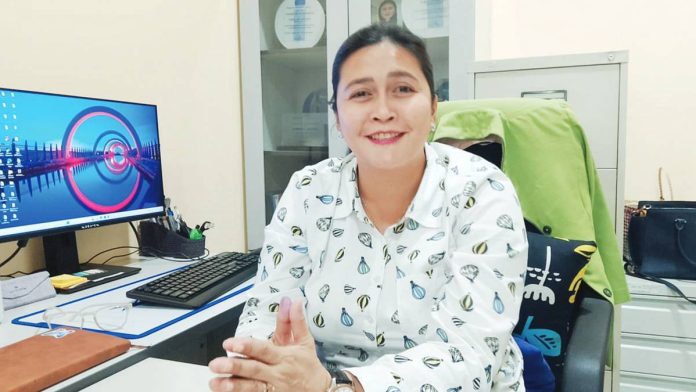
ILOILO City – The Philippine Health Insurance Corporation’s (PhilHealth) No Balance Billing (NBB) policy also extends to private and specialty hospitals, provided that patients are admitted in ward-level accommodations.
Private hospitals are mandated to allocate at least 10 percent of their beds for wards under the scheme, while specialty hospitals must earmark 70 percent, said Janimhe Jalbuna, head of the Public Affairs Unit of PhilHealth Region 6.
“Some private hospitals have already implemented the no co-pay policy, but only under selected conditions. We currently have a circular stating that even private hospitals must adopt this no co-pay policy. According to the order, they should allocate 10% of their capacity for basic ward accommodations,” Jalbuna noted, adding that full implementation awaits final guidelines.
Case rates and top illnesses
The NBB policy applies through fixed “case rates,” which vary depending on the severity of medical conditions and procedures.
Catastrophic illnesses like cancer, dialysis, kidney transplants, and open-heart surgeries fall under higher packages.
As of June 30, 2025, the region’s top paid illness was Pneumonia Moderate Risk, while the top paid procedure was Hemodialysis.
Gov’t hospitals
Under NBB, patients also confined in basic ward accommodations of government hospitals should leave without paying a single centavo, regardless of their financial status or PhilHealth membership category.
Jalbuna reiterated that the no co-pay or NBB policy is not limited to Department of Health (DOH)-retained hospitals but also covers devolved government hospitals under local government units.
“Ang aton nga policy on ‘no co-pay’, indi lang siya sa DOH-run hospitals. Covered other hospitals, amo na ang mga devolved hospitals nga na-mention naton under sa LGU, like mga district hospitals,” Jalbuna emphasized.
Under the Universal Healthcare Law, PhilHealth members and their qualified dependents can avail themselves of the policy regardless of income classification. The scheme guarantees that hospital expenses — including room and board, medicines, laboratory tests, supplies, and professional fees — are fully covered, provided patients stay in basic ward accommodations.
“This time, under the Universal Healthcare Law, ang policy nga gina-follow naton is no co-payment, parehas man siya ang intention sa Zero Balance Billing in DOH. Meaning sina nga kon magsulod kita sa isa ka hospital, basic or ward accommodation, wala kita sang pagabayaran. On top sang benefits ni PhilHealth. So, bali wala kita bayaran. Aton lang requirements, dapat confined siya sa basic or ward accommodation,” Jalbuna explained./PN