



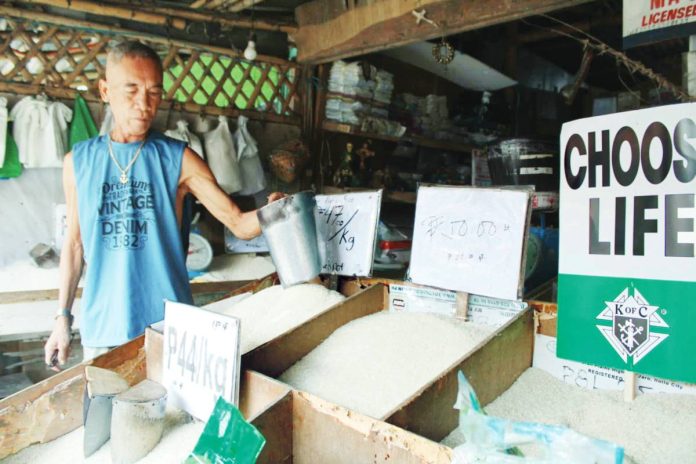
ILOILO City – Rice prices here are climbing sharply as global tensions and rising fuel costs disrupt supply chains, forcing retailers to pass on repeated price increases to consumers already grappling with inflation.
Vendors across key markets in Iloilo City and nearby towns in Iloilo Province report near-daily price adjustments, with suppliers dictating costs that leave sellers with little choice but to increase retail prices just to stay afloat.
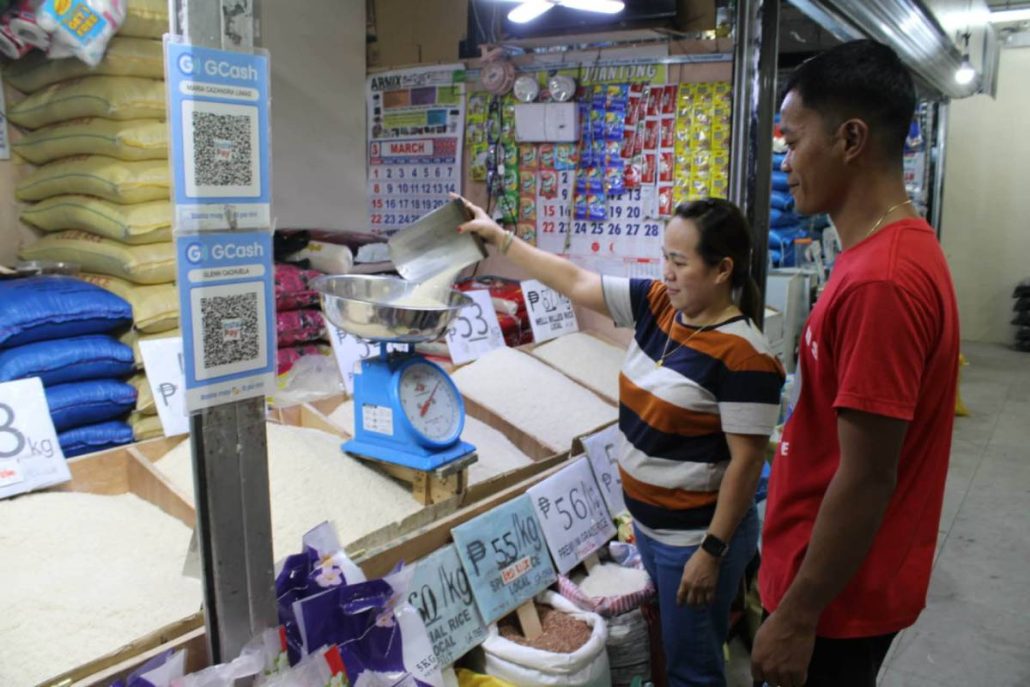
“Indi stable ang presyo ka bugas. Example bi subong kuhaon ko P1,250 per sack, pagka aga kuhaon ko P1,260. Sunod nga adlaw P1,280 naman. Depende ang pagtaas sang bugas kon pila ang presyo nga ibaligya sa amon sang supplier. Kon nag mahal ang nakuhaan namon, gadugang kami para indi man kami malugi,” said Bing Cachuela, a rice vendor at the La Paz Public Market.
The volatility reflects a strained supply chain, where each delivery brings higher costs, leaving retailers reacting rather than planning.
Despite the steady increase, demand remains strong as consumers continue to buy staple food regardless of price.
“Even with the ongoing price hikes, customers will buy whatever is available. They’re realizing that they have limited options, and many seem resigned to the fact that prices are increasing,” Cachuela added in Hiligaynon.
She noted that while complaints persist, most buyers have little choice but to accept the situation.
“Kay bal-an man na nila nga gataas na ang tanan, tii waay ta may mahimo,” Cachuela said.
A retailer from Pavia, Iloilo echoed the same trend of incremental increases tied directly to supplier pricing.
“Ga-adjust kita para makabawi. May ara kami sang una nga P38 kada kilo nga bugas, subong nag-P44 na. Ang pagpasaka ka presyo, depende sa ginbakal namon nga bugas sa gwa,” said May.
She added: “Sang una may P43 pa, subong wala na kay gamahal. Kada delivery sang bugas naga mahal. Pasaka namon P4 to P5.”
In Pototan town, vendor Ronel Comeda said budgeting has become increasingly difficult due to unpredictable price swings.
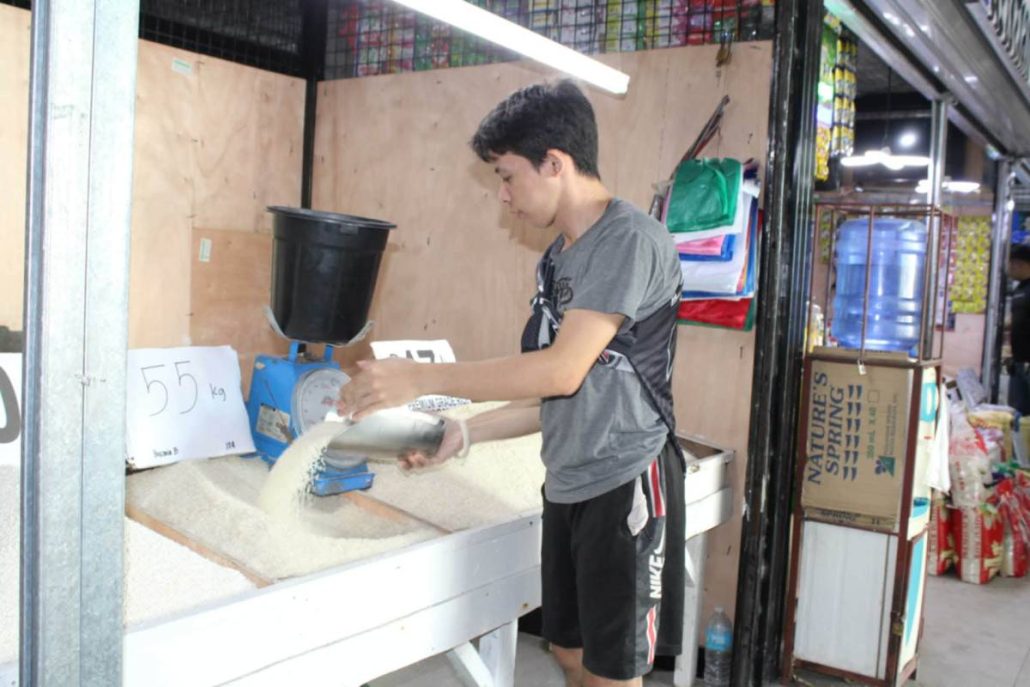
“Before, managing budgets was much easier when prices were stable, but now it’s a constant struggle. Even in the absence of a war, prices were already escalating, but the situation now is undoubtedly worse,” he said.
“Pataasan namon kay gataas na ang gasoline. Kon magtaas ang nahatag ya sa amon, pataasan man namon,” Comeda added.
Veteran retailer Antonio Parparan of Pavia reported a significant increase in bulk costs.
“We’ve had to raise our prices by around P50 per sack, with the cost now at P1,350, up from P1,300. For each kilo, we’re increasing prices by four to five pesos just to maintain a viable business,” he said.
Despite the rising costs, retailers said customer flow remains steady, underscoring rice as a non-negotiable staple.
“Regardless of the crisis, our regulars still rely on us, and they are continuing to make purchases despite higher prices. They seem to understand that we are all in a difficult situation,” Parparan added.
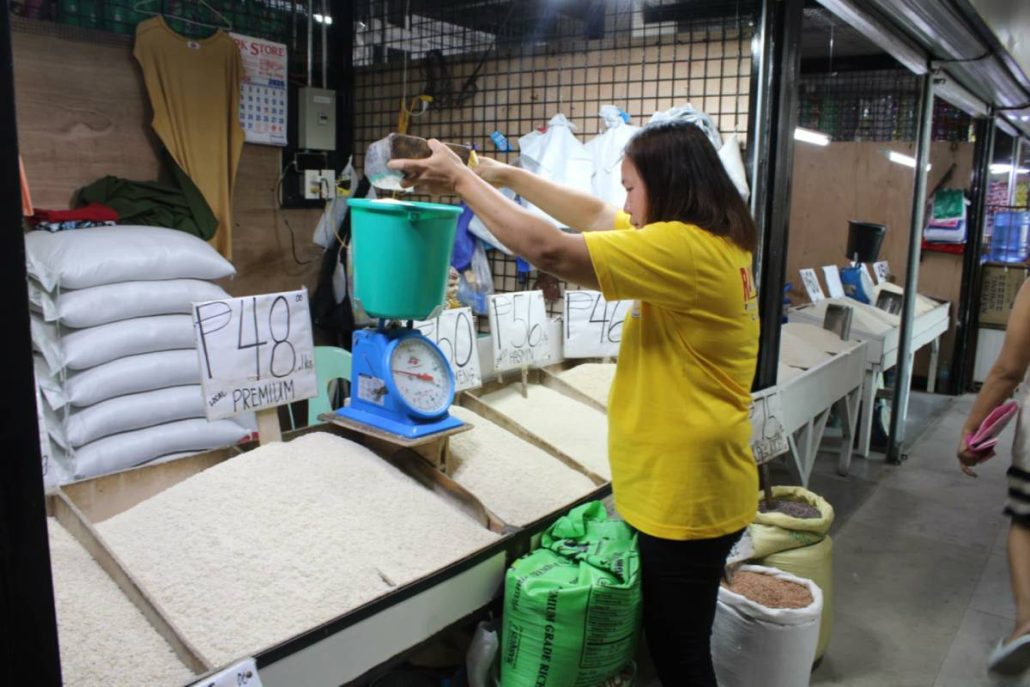
Current retail prices show a wide range depending on quality, with local varieties such as regular rice selling at around P45 per kilo, premium local rice at P47 to P48, and imported varieties like Jasmin and Princess Bea reaching up to P56 per kilo. Specialty rice such as black rice can go as high as P75 per kilo.
Retailers said imported rice, particularly those sourced from Vietnam, tend to drive prices higher due to added logistics and fluctuating global costs.
Cachuela stressed that price instability is not entirely new, noting that agricultural and fuel-related pressures had already been pushing costs upward even before the current global tensions.
Most suppliers source rice from within Iloilo province, including Oton and San Miguel, but even local supply has not been spared from price pressures.
As global uncertainties persist, both retailers and consumers are bracing for continued volatility, with little relief in sight for one of the country’s most essential commodities./PN