


[av_one_full first min_height=” vertical_alignment=” space=” custom_margin=” margin=’0px’ padding=’0px’ border=” border_color=” radius=’0px’ background_color=” src=” background_position=’top left’ background_repeat=’no-repeat’ animation=”]
[av_heading heading=’Risa has ‘alternative strategy’ for crusade vs drugs’ tag=’h3′ style=’blockquote modern-quote’ size=” subheading_active=’subheading_below’ subheading_size=’15’ padding=’10’ color=” custom_font=”]
By Prince Golez, Manila Reporter
[/av_heading]
[av_textblock size=” font_color=’custom’ color=’#0a0a0a’]
Monday, February 6, 2017
[/av_textblock]
[av_textblock size=” font_color=’custom’ color=’#0a0a0a’]
MANILA – Sen. Risa Hontiveros is expected to present her “alternative strategy” for the country’s illegal drugs problem today, Feb. 6.
Hontiveros, the chairwoman of the Senate committee on health, has always been critical of the government’s deadly drug war.
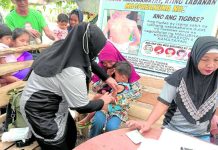
Her Barangay Health and Rehabilitation Strategy provides a comprehensive public health approach to the country’s drug policy and establish appropriate barangay-based programs and services for drug-related issues and concerns, the senator from Panay Island said.
With the suspension of anti-drug operations, she urged the government should launch a new strategy that is “humane,” “rehabilitative” and “less susceptible to abuse.”
Last month, chief director general Ronald “Bato” dela Rosa of the Philippine National Police (PNP) suspended the government’s anti-drug campaign following the kidnapping and killing of Korean trader Jee Ick-Joo.
Tagged in the murder case were police officers belonging to an anti-illegal drugs unit.
Data from the PNP said at least 2,500 drug suspects were killed between July 1, 2016 and Jan. 31, 2017.
An additional 4,000 people were reportedly killed vigilante style.
Hontiveros earlier said the construction of mega drug rehabilitation centers does not match the health and other service needs of those who use drugs. Majority of these users need are out-patient medical assistance, she added.
“The Department of Health already said that what the majority of the drug users need are out-patient healthcare interventions. As such, what is needed are out-patient rehabilitation programs, community drop-in centers, and harm reduction capacity-building sessions for local governments, health agencies and non-government organizations,” Hontiveros said,/PN
[/av_textblock]
[/av_one_full]