


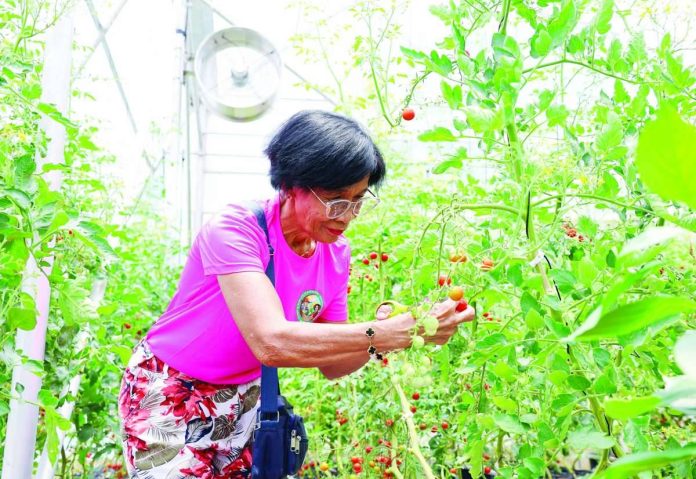
ILOILO — A solar-powered greenhouse facility established by the Department of Agriculture (DA) Western Visayas is beginning to deliver tangible gains for urban farmers in Passi City, with early harvests already generating income and prompting plans for expansion of the technology across the city.
The 1,500-square-meter facility in Barangay Sablagon, equipped with hydroponic and drip fertigation systems, is seen as a model for climate-resilient and resource-efficient urban agriculture, aimed at increasing production of vegetables and high-value crops.
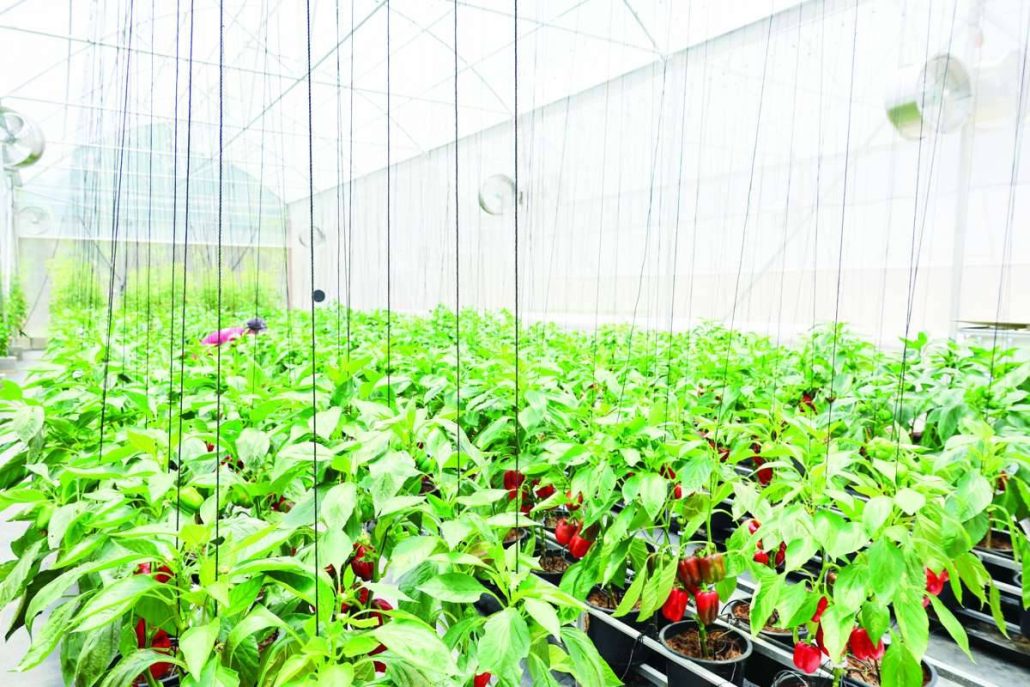
Funded under the National Urban and Peri-Urban Agriculture Program (NUPAP), the project is being managed by the Gines Viejo Farmers Association, a 39-member group composed largely of backyard growers, following a memorandum of agreement signed with the DA and the Passi City government. Gilda Beter, president of the association, said the project has significantly improved the productivity and income potential of local farmers, who previously cultivated crops mainly for household consumption. She reported that their first lettuce harvest early this year yielded about P55,000 in net income distributed among members, while future harvest cycles are projected to produce around 100 kilograms of sweet pepper and 50 to 70 kilograms of cherry tomatoes over a three-month period.
Beter also highlighted the value of hands-on training provided through the project, enabling farmer-members to adopt modern techniques in growing high-value crops using hydroponics and drip fertigation systems.
Passi City’s Mayor Stephen Palmares welcomed the development, noting the city’s heavy reliance on agriculture for livelihood and signaling plans to replicate the greenhouse technology through additional city-funded projects.
“We are very happy seeing this project and the way it is being managed by the Gines Viejo Farmers Association. I hope this initiative will continue and benefit more local government units,” Palmares said.
To ensure long-term sustainability, NUPAP focal person Ester Ruth Torreverde emphasized the need for market-driven production planning, with the DA assisting the farmers’ group in aligning output with demand from potential institutional buyers.
“We need to ensure that before planting, there is already a guaranteed market. If buyers require weekly deliveries, the association should be able to harvest crops weekly,” Torreverde explained.
Meanwhile, DA regional technical director for operations Maria Teresa Solis urged farmer-members to sustain and further develop the initiative, stressing that such projects are designed to strengthen, not burden, local producers.
With continued technical support, the DA aims to help the association boost productivity and surpass break-even levels in high-value crop production, positioning the facility as a key driver of urban agriculture growth in the city./PN