


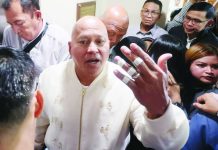

ONE YEAR AGO, in October 2018, nine sugar workers were killed in Sagay City, Negros Occidental by some 40 unidentified armed men. Up to now, their families are still crying for justice.
We recall that the police, instead of launching a thorough and impartial investigation, was quick to file cases against members of the National Federation of Sugar Workers, the same organization of those killed.
How can justice be met if the police immediately points to the very organization of the victims? The police’s allegation against NFSW was met with incredulousness and was described as unfounded, malicious and extremely biased.
To put it plainly, it was like the police was blaming the victims themselves for their own deaths.
The massacre of the Sagay City agricultural workers was followed days after by the assassination of human rights lawyer Ben Ramos, and the harassment suit against Atty. Kathy Panguban, both legal counsels of the “Sagay 9” victims and their families.
We can’t blame progressive groups from getting suspicious. According to the Kilusang Mayo Uno, Negros turned into a killing field with the implementation of anti-insurgency policies such as Memorandum 32 issued one month after the Sagay massacre, the issuance of Executive Order 70 adapting the “whole of nation” approach to solve the insurgency problem, and the consecutive police and military operations Sauron 1 and Sauron 2.
Kilusang Mayo Uno chairperson Elmer Labog summed it up: “Our farmers and farm workers in Negros are under attack, only because they continue to assert their rights to till lands in Negros. Instead of addressing the plight of our people in the countryside by way of land reform and subsidy in agricultural production, they are being killed.”
