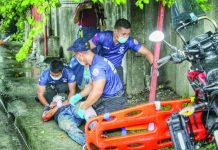
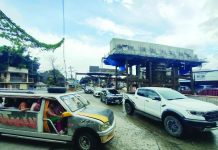


AT 4:30 in the morning, before commuters begin filling the roads, Renato, a delivery driver in Hagonoy, Bulacan, checks if the floodwaters outside his home have finally receded to determine whether he can return to work that day. His decision is not a matter of convenience but a choice between risking dangerous floodwaters to reach work or staying home and losing a day’s income.
Across Luzon, flooding has become a recurring economic burden measured in lost work and income. Philippine Space Agency (PhilSA) data showed flood impacts across seven administrative regions in Luzon, where enhanced Southwest Monsoon rains left parts of the island submerged, affecting millions and contributing to around ₱8 billion in agricultural and infrastructure losses since August 2026.
Impact on Livelihoods
The Philippines is now confronting a hidden labor crisis: workers who still have jobs but cannot fully work.
Construction workers, transport operators, farmers, vendors, and other informal workers bear a disproportionate burden because their livelihoods rely on movement, access, and daily transactions that flooding can abruptly halt.
A Philippine Institute for Development Studies (PIDS) study found that heavier rainfall is linked to shorter working hours among vulnerable, weather-exposed workers, showing how extreme weather can reduce earning capacity. The damage caused by flooding is often measured through destroyed roads, damaged homes, and agricultural losses, but one of the biggest costs remains less visible: the income workers never earn. Flooding does not only disrupt daily routines. It places the financial stability of households at risk, especially those with limited resources to recover from repeated setbacks.
Unequal Toll of Changing Climate
Floods also expose the unequal realities of the Philippine workforce.
Some employees can work remotely, but delivery riders, vendors, factory workers, and construction workers may lose a day’s income when transport networks fail.
During severe weather, workers often face a difficult choice between safety and income. DOLE’s labor advisory has reminded workers that they may refuse unsafe work conditions.
Beyond economic losses, repeated climate threats can also fuel climate anxiety among vulnerable workers and communities, creating emotional distress, fear, and uncertainty that may affect their ability to recover from disruptions.
Disrupted schooling threatens the future workforce, turning lost learning today into weaker skills and productivity tomorrow impacting future wages, competitiveness, and national productivity.
Businesses also suffer as worker absences, delayed deliveries, and disrupted supply chains affect productivity. This means flooding should no longer be viewed only as an environmental concern or a temporary emergency. It is increasingly becoming a productivity issue that affects workers, businesses, and the wider economy. Every hour lost to unsafe roads, delayed transport, or inaccessible workplaces represents economic potential that communities cannot recover.
Beyond Relief
The Philippines must confront a difficult question: why do communities remain vulnerable after repeated floods?
Neighbors face the same reality. In Thailand, major floods have disrupted hundreds of thousands of workers, prompting government relief measures for affected employees. In Vietnam, informal workers remain especially vulnerable because many operate outside formal social protection systems. As prolonged flooding becomes more common, the region must confront whether existing labor protections are strong enough for a changing climate.
When billions are spent on flood mitigation, citizens expect meaningful protection. Continued flooding demands a review of planning, implementation, and infrastructure readiness. Public investments must translate into safer communities before the next crisis arrives, not just after the waters rise.
Building Resilience for Workers
Response cannot stop at relief. The Philippines needs stronger flood-risk planning, transparent infrastructure implementation, better early warning systems, and worker protections such as clearer emergency work policies and income support during prolonged disruptions.
Local governments should expand flood alerts, transport plans, income support, and safer evacuation routes so workers do not have to choose between safety and income.
The Philippines cannot measure flood damage only by the depth of the water. Resilience must therefore be measured beyond the ability to survive disasters. A community is not truly resilient if workers repeatedly return to the same vulnerabilities after every flood. The goal should not only be faster recovery after damage occurs, but fewer people being forced to choose between protecting their safety and protecting their livelihood.
The real cost is measured in lost income, disrupted businesses, and weakened productivity.
For workers like Renato in Hagonoy, recovery is not simply a matter of waiting for floodwaters to disappear. It means regaining the ability to work, earn, and plan for the future.
Floods will remain part of the country’s reality, but economic paralysis does not have to become its future. True resilience will be measured not only by how quickly waters recede, but by whether workers can return safely to earn, rebuild, and move forward.
***
For questions, please e-mail nicasio.pimentel@antiquespride.edu.ph./PN