



BY MAE SINGUAY
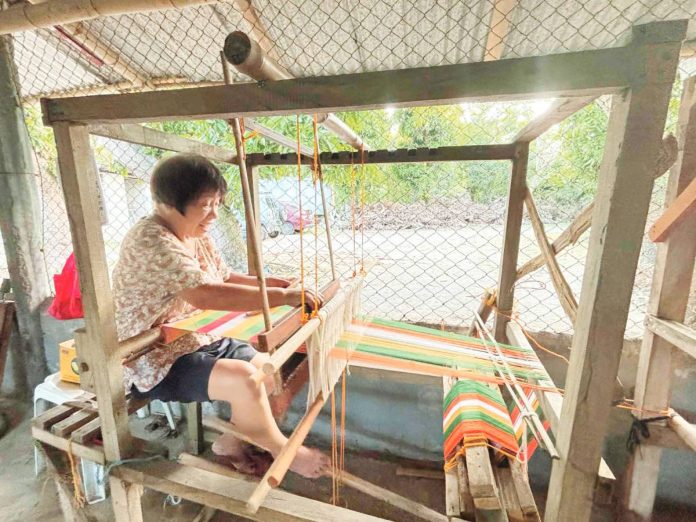
IN THE QUIET coastal town of Valladolid, Negros Occidental, the rhythmic clatter of wooden looms once echoed through homes like a gentle symphony — an everyday sound that spoke of heritage, livelihood, and identity.
For generations, hablon — a handwoven textile known for its intricate patterns and vibrant colors — was more than just cloth. It was a living tradition, passed from mother to daughter and woven into the very fabric of community life.

But over time, that symphony began to fade.
Cheap, mass-produced textiles flooded the market, gradually displacing locally woven products. Younger generations, drawn to opportunities elsewhere, turned away from the slow and labor-intensive craft. Looms fell silent, threads were left untouched, and what was once a thriving industry slowly unraveled—nearing extinction for nearly two decades.
For Mercedes Prado-Claor, 68, this decline was deeply personal.
A lifelong weaver who learned the craft at the age of nine from her mother, Prado-Claor refused to let their heritage disappear.
In the 1990s, she served as president of the Tabao Valladolid Weavers Association in Barangay Central Tabao, working to sustain the industry. With support from the provincial government under then governor Joseph Marañon, the weaving tradition endured for a time. However, as leadership changed and support waned, the industry once again declined.
Still, Prado-Claor held on.
What began as quiet determination evolved into a lifelong mission — to revive hablon weaving and restore dignity and livelihood to her community, with the support of her family.
She did not have wealth or strong institutional backing. What she had was conviction.
Prado-Claor began by reaching out to the remaining weavers — mostly elderly women who still carried the knowledge of patterns, techniques, and stories behind each design. From more than 30 artisans in the past, only five remained.
Many had long abandoned their looms. Age, lack of demand, and the absence of younger learners had taken their toll.
“It was not easy,” she admitted.
There were doubts at every turn. Some questioned whether there was still a market for hablon. Others worried about the financial risks. Materials were costly, and weaving required patience — each piece taking hours, even days, to complete.
Despite these challenges, Prado-Claor pressed on.
Her efforts gained renewed momentum with the return of Valladolid mayor Ricardo Presbitero Jr. following the May 2025 elections. The mayor, who had previously supported the industry during his earlier term, encouraged her to revive the craft.
With this support, Prado-Claor began organizing small groups of weavers, fostering collaboration and rebuilding the community. She sourced materials — often using her own savings — and repaired old looms to make them functional again.
Her sacrifices were quiet but profound.
There were times when she set aside her own needs to sustain the initiative. Days were spent coordinating production; nights were devoted to planning how to keep the project alive. The responsibility was heavy, but she remained steadfast.
For Prado-Claor, this was never just about weaving. It was about restoring hope.
Recognizing that the future of hablon depends on the next generation, she has called on both local and national government agencies to provide sustained support — not only financial assistance but also training programs to enhance skills and introduce innovations, including the use of fabric waste.
“Teaching the craft requires patience,” she said
Each movement must be precise, each thread carefully placed. Mistakes are part of the process, and progress is often slow. But for many women in the community, weaving has become more than a skill — it is an opportunity.
In a town with limited economic options, hablon offers a way to earn a living without leaving home. It allows women to support their families while preserving a cultural tradition. Slowly, the looms began to sound again.
Today, with support from the local government, the Valladolid Looms and Weavers Association has been established and operates within Prado-Claor’s compound in Barangay Bagumbayan.
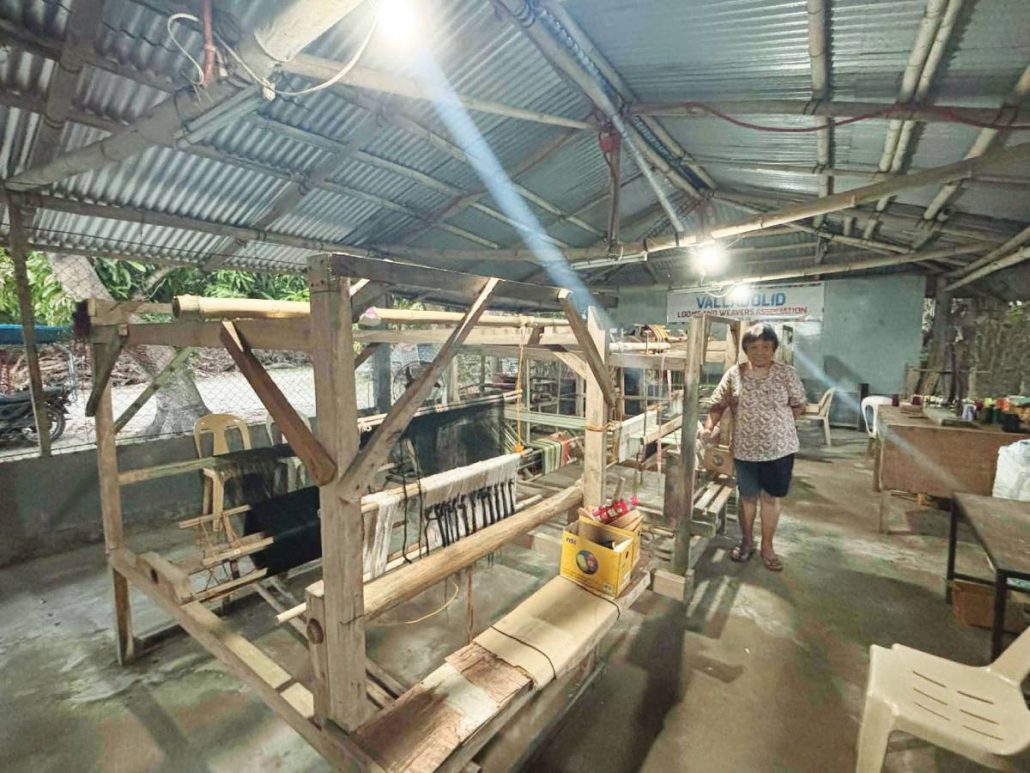
Support has also come from various groups — private companies, government offices, and organizations — that have begun patronizing their products through orders and collaborations.
Prado-Claor has worked tirelessly to promote Valladolid’s hablon, bringing it to trade fairs, exhibitions, and local events. She tells the story behind each piece — its heritage, craftsmanship, and the people who made it — knowing that appreciation is key to survival.
Recognition came gradually.
A few orders at first. Then growing interest. Each milestone, no matter how small, was a step toward sustainability.
Over time, Valladolid’s hablon began attracting attention from cultural advocates, designers, and institutions. A once-forgotten craft was finding its place again.
With renewed demand came new challenges — maintaining quality, meeting production timelines, and balancing tradition with modern tastes. Through it all, Prado-Claor remained a steady force.
Under her leadership, weaving in Valladolid has transformed from a fading tradition into a source of pride and opportunity.
Its impact goes beyond income.
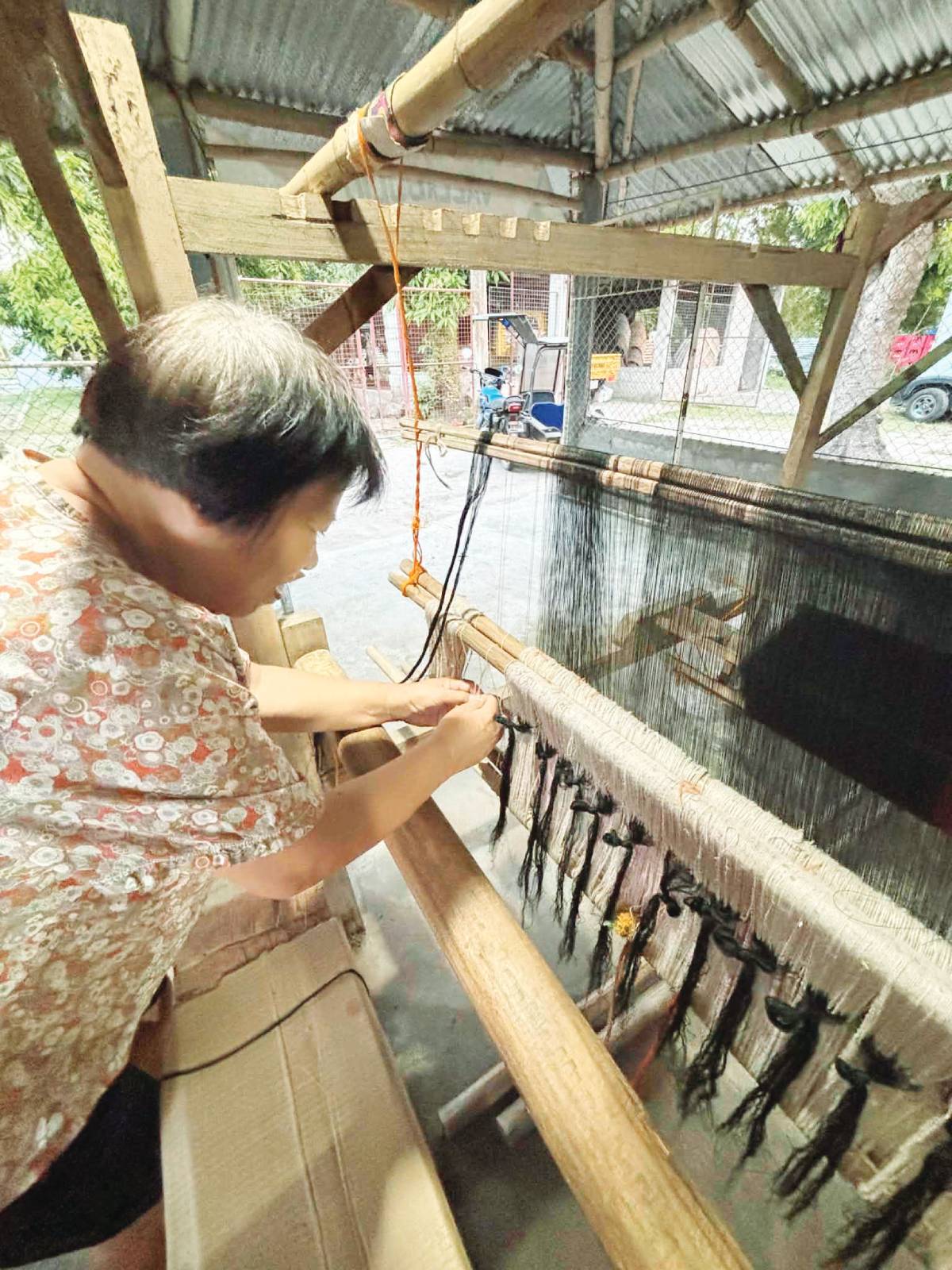
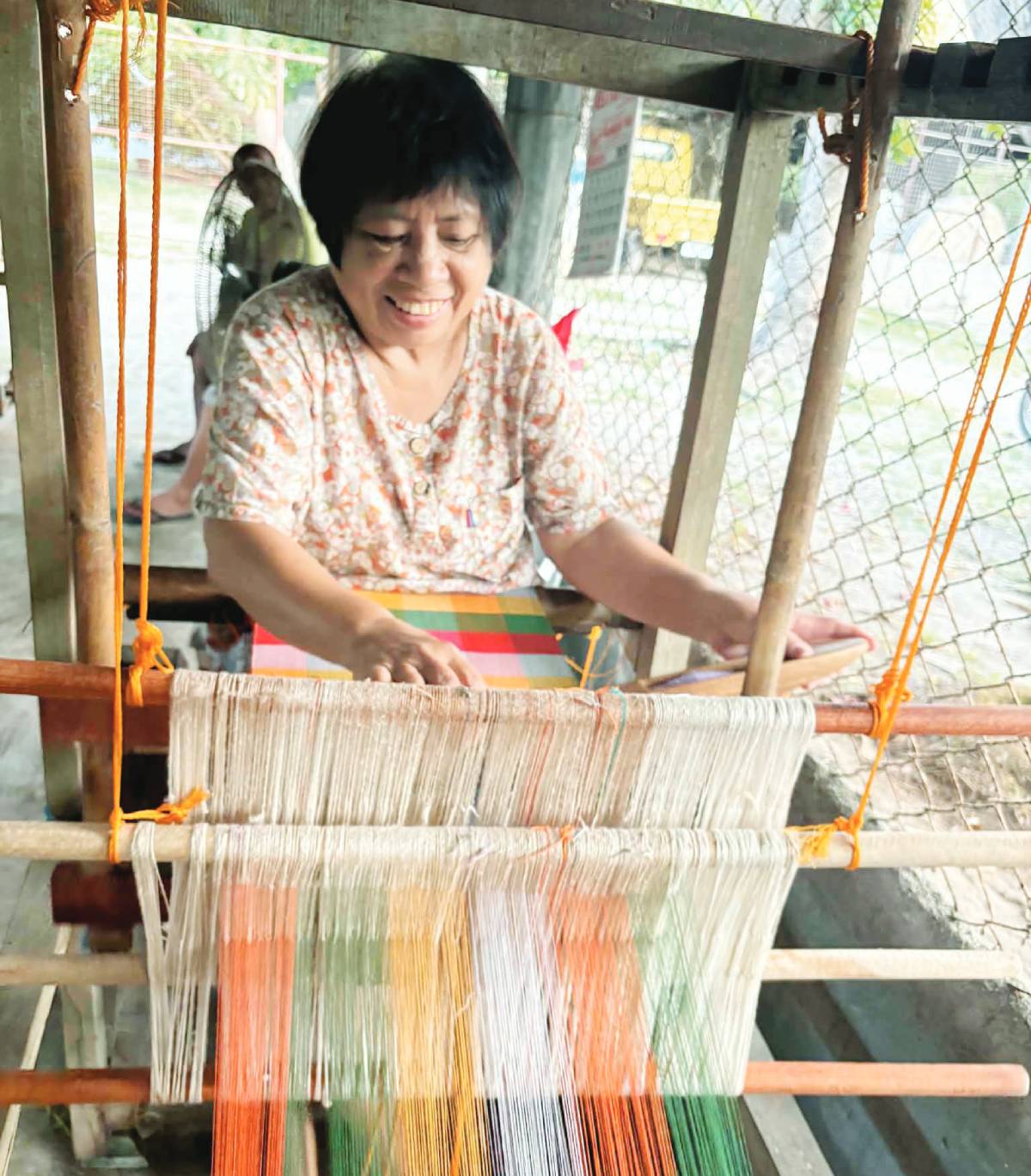
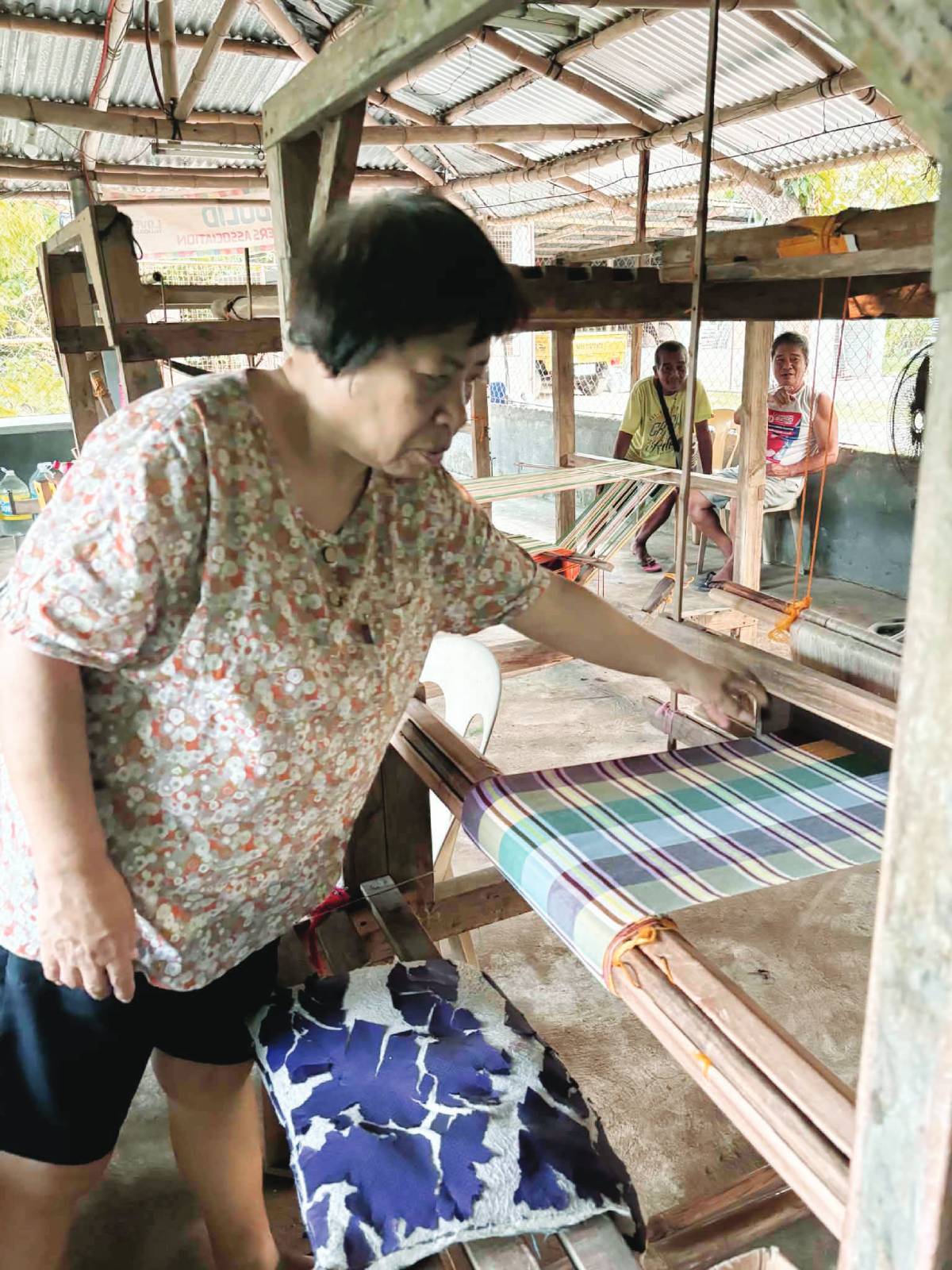
Weaving has strengthened community bonds, given elderly artisans renewed purpose, and allowed them to pass on their knowledge. It has empowered women—providing both livelihood and voice.
For Prado-Claor, these are the true measures of success.
Her journey has not been without setbacks. There were moments of uncertainty — when orders slowed, resources were scarce, and the future seemed fragile. Yet each time, she chose to move forward.
Her story is one of resilience — of choosing to build rather than surrender, of believing in the enduring value of culture even when others did not.
Today, the sound of looms in Valladolid is no longer a fading echo. It is a living testament to what one woman’s vision can achieve.

Through her efforts, Prado-Claor has helped preserve a heritage that might have been lost. She has shown that tradition and progress are not opposing forces — but threads that, when woven together, create something enduring.
The fabric of hablon now carries more than patterns and color. It carries stories — of struggle, perseverance, and hope.
And at the heart of those stories is a woman who refused to let them unravel.
For Prado-Claor, weaving has always been part of life. With her husband once serving as a local government employee, she takes pride not only in her craft but also in raising three successful children — two seafarers and a nurse — proof that through perseverance, both tradition and family can thrive./PN