
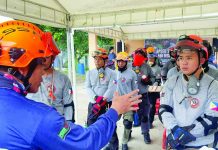




THE PROVINCIAL government of Iloilo and the Department of Environment and Natural Resources – Forest Management Bureau planted over 2,000 tree seedlings at the Maasin watershed in Barangay Daja, Maasin, Iloilo on June 25 to mark the 159th Philippine Forestry Service Anniversary and Arbor Day.
What happens next?
It’s not just about planting the seedlings, but we should ensure that they survive. We should also prevent cutting especially in protected areas. This is called “tree growing”.
To ensure sufficient greenery across the country, why not make it mandatory to plant trees in the urban and countryside parks as well as in school grounds, other vacant lots and urbanized sites? Yes, schools should teach the importance of trees and integrate tree-planting activities into the curriculum to promote environmental consciousness among the youth.
There is a need, too, to plant the right species in the area where it can grow and thrive.
We need trees not just for food production but also as a way to mitigate climate change, to offset the carbon we emit on a daily basis. According to the Department of Environment and Natural Resources, a single tree can sequester 0.56 metric tons of carbon dioxide in its lifetime, and around 10 trees are needed to capture the emissions of just one car.
Trees are also vital in disaster risk reduction. For instance, mangroves are the best buffer against storm surges. We saw this during the onslaught of super typhoon “Yolanda” in 2013. By addressing the depletion of forests through tree-planting activities, we also save ourselves.
We must continue awareness programs on tree planting, including educating the public on the proper and most effective way of doing it. We all need to look at tree planting as serious business.
