

A BATTLE against malnutrition in Iloilo Province is being waged not just in clinics and hospitals but within the very heart of communities by those who walk the streets every day. Barangay Nutrition Scholars (BNS) have emerged not merely as participants but as frontrunners in this fight. Their role, often understated, deserves substantial support.
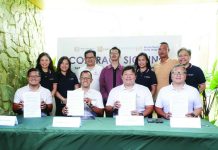
The recently held 2nd BNS Convention in Iloilo mirrors the provincial government’s commitment to combat malnutrition through the Philippine Plan of Action for Nutrition (PPAN) for 2023-2028. Dr. Azucena Dayanghirang, the assistant secretary and executive director of the National Nutrition Council (NNC), pointed out the key role of BNS in localizing nutrition programs. Their tasks range from monitoring and evaluating community health to spearheading nutrition advocacy — efforts foundational to the community’s response to malnutrition.
However, to realize their full potential, BNS and similar community health workers across Iloilo need more than just assignments — they require a robust framework of support. This starts with comprehensive training programs that not only educate but also empower them with the latest practices and knowledge in nutrition science and community health management. Regular workshops and seminars can keep them abreast of new developments and techniques to deal with evolving challenges in public health nutrition.
Support must also extend beyond education. Equipping BNS with the necessary tools — from digital devices for data collection to transport facilities for reaching remote areas — can significantly boost their efficiency and effectiveness. Additionally, their efforts should be matched with adequate financial incentives. Recognizing their work through proper remuneration is essential, not just for motivation but also for the sustainability of their crucial role in the health infrastructure.
Well-trained and adequately supported BNS can conduct more effective community screenings, implement nutritional interventions more successfully, and ultimately lead to a measurable decrease in malnutrition rates. Their firsthand insights into community health dynamics make them invaluable in tailoring health initiatives that are culturally appropriate and locally effective.
The role of BNS extends beyond individual health to encompass a broader socio-economic impact. By ensuring better nutritional standards, they lay the groundwork for a healthier future generation, thus reducing potential healthcare costs and improving the overall productivity of the community
Empowering our community health workers such as the BNS is a strategic, community-wide intervention against malnutrition. Iloilo has the opportunity to lead by example, demonstrating how enhancing the capabilities of grassroots health workers can forge a pathway to better health outcomes.
The commitment shown at the BNS convention must now be translated into concrete actions that uplift, support, and empower these unsung heroes in their daily battle against malnutrition.