



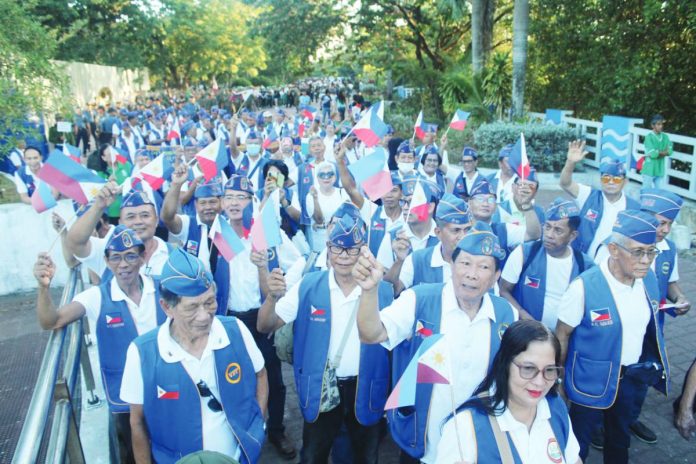
ILOILO City – More than 300 cadets, reservists, and uniformed personnel marched through the University of the Philippines Visayas campus on April 9, turning this year’s Araw ng Kagitingan observance into a strong call against historical amnesia, as military officials warned that the lessons of World War II must not fade with time.
The Freedom March, led by the 604th Community Defense Center of the 6th Regional Community Defense Group, Reserve Command, Philippine Army, underscored growing efforts to actively engage the youth in preserving the legacy of Filipino war heroes, particularly the defenders of Bataan.
“Today’s activity is not merely a walk; it symbolizes our march for freedom,” said Colonel Michael N. Asuncion, emphasizing that remembrance must go beyond ceremony.
“The youth must understand our past and recognize how our heroes fought for our independence. We would not be here today enjoying our liberties if it were not for their sacrifices,” he added.
Participants included Reserve Officers’ Training Corps cadets from various universities, Citizenship Advancement Training cadets from secondary schools, and representatives from the Tri-Bureau and other military units, highlighting a deliberate push to involve younger generations in historical remembrance.
Military leaders stressed that the commemoration comes at a time when there is a need to strengthen historical consciousness among the youth, particularly as firsthand accounts of World War II continue to dwindle.
Retired Lieutenant Hilario T. Soriano, a veteran with 29 years of service, underscored the urgency of passing on the values of patriotism and courage.
“This day reminds us of our roots,” Soriano said.
“I have seen firsthand how vital it is for the youth to embrace the values of courage and patriotism, understanding that our current freedom stemmed from the sacrifices of those who served before us,” he added.
Veteran Romeo Flores Villasis echoed the call, stressing that honoring history is a shared responsibility even for those who did not experience the war.
“We are here to commemorate not only the heroism of our fallen but also to instill in our youth the importance of recognizing our history and the sacrifices made during World War II. Although many of us did not directly experience the war, we carry the legacies of our war heroes,” he said.
Colonel Edralin L. Poblete, commander of the 6th Regional Community Defense Group, warned that the significance of the Bataan Death March must remain deeply ingrained in national consciousness.
“This journey symbolizes our collective acknowledgment of the sacrifices incurred by our forebears,” Poblete said.
“Each step we take today is a reminder of the hardship faced by our heroes during the Bataan Death March—an arduous trek where countless Filipino and American soldiers faced unimaginable adversities,” he added.
The Bataan Death March in April 1942 remains one of the darkest chapters in Philippine history, where some 78,000 Filipino and American troops were forced to march under brutal conditions, resulting in the deaths of thousands due to exhaustion, starvation, and abuse.
Iloilo City’s Mayor Raisa Treñas, through Councilor Sedfrey Cabaluna, also emphasized the importance of keeping the memory of wartime sacrifice alive.
“This day is a solemn tribute to the bravery, resilience, and indomitable spirit of our Filipino heroes. It’s essential to remember that they faced extreme conditions — hunger, injuries, and fear — yet they stood resilient, driven by their unwavering love for our nation,” she said.
Officials said the annual observance must continue to evolve into active forms of engagement, such as marches and youth participation, to ensure that the spirit of valor remains relevant in modern times./PN