



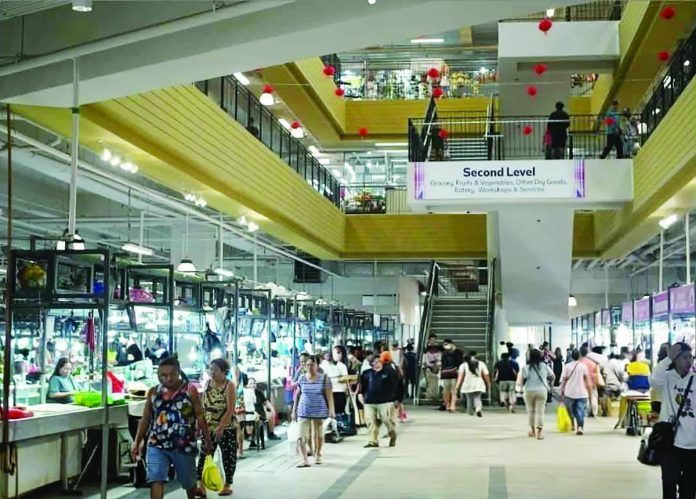
ILOILO City – The redevelopment of the Iloilo Terminal and Central Public Markets marks a major step in Iloilo City’s transformation, while also strengthening the sense of ownership among vendors, entrepreneurs, and stakeholders.
Through a strategic public-private partnership between the Iloilo City Government and SM, the markets have been reimagined into clean, spacious, and well-organized environments.
With clearer zoning and an improved layout, the new markets, which remain under the management of the Iloilo City Government, are now more functional and efficient. This allows customers to easily find what they need while helping vendors operate in a more spacious and manageable environment.
Beyond physical improvements, the project highlights its strong support for both traditional vendors and emerging local entrepreneurs.
These developments reflect a balanced ecosystem where both small-scale vendors and growing food enterprises benefit from increased foot traffic, better visibility, and a more supportive business environment.
Vendors themselves have embraced the transformation with renewed enthusiasm. Jennifer Continente, a wholesaler at the Iloilo Terminal Public Market, shared how the improved layout has made daily operations more efficient.
“Hapos na maglibot-libot kag hapos naman magpanukot sa ila kay ara na sila sa isa ka lugar (It is easier to go around and easier to collect from clients because they are located in one area),” she said, noting the convenience of having clients clustered in one area.
Market leadership echoed this sense of progress. Iloilo Terminal Market Vendors Association president Joseph Cabutad expressed gratitude: “Nagapasalamat kami sa Iloilo City Government paagi sa Local Economic Enterprise Office, kaupod ang SM sa pag-redevelop sang markets para matawhay man ang pagginawi sang aton vendors kag pamalakal sang aton mga customers (We are thankful to the Iloilo City Government, the Local Economic Enterprise Office, together with SM, for redeveloping our markets because our vendors can now easily conduct their businesses as well our buyers).”
Businesses that once faced uncertainty are now finding renewed opportunities within the redeveloped markets.
Takua Pa, an authentic Thai restaurant with an Ilonggo twist that encountered challenges and temporarily closed their branch in the city during the pandemic, expressed gratitude for the opportunity to reopen and grow at SM Iloilo Terminal Market.
Doughlicious Delights Café, meanwhile, established its first Iloilo branch at the same location and shared appreciation for SM’s support in helping attract more customers to experience their offerings.
A proudly local restaurant, Bach Grillers, continues to gain popularity among Ilonggos as it expands into 16 branches including the one at SM Iloilo Central Market — demonstrating how local businesses can thrive alongside market vendors.
The redevelopment also introduces better facilities designed to support daily operations — making the markets safer, more reliable, and more sustainable for vendors. Accessibility has likewise been prioritized.
Shoppers now benefit from baggage counters provided by the Iloilo City Government, allowing for a more convenient shopping experience. Elevators and ramps are also available for senior citizens and persons with disabilities, ensuring ease of movement whether coming from the mall or directly from the market to access different floors.
To further improve efficiency, Receiving and Dispatching Units (RDU) have been established to manage the proper delivery of bulk goods entering the market — streamlining logistics and minimizing congestion in trading areas.
With improved flow and accessibility, both wet and dry sections remain easy to navigate, enhancing the overall shopping experience. These upgrades also contribute to better sales opportunities, as improved traffic distribution ensures that not only vendors in prime locations benefit, but that all vendors gain increased visibility and customer reach.
Mayor Raisa Treñas echoed that the newly redeveloped markets have truly become a source of pride for Ilonggos.
“It’s heartening to see our vendors and entrepreneurs doing well and making the most of these improved spaces. Their progress shows that our modernization efforts are paying off — but more than that, it highlights the resilience and hard work of our Ilonggo market vendors. Seeing these markets create better opportunities, boost daily trade, and strengthen our local economy is something we’re proud of,” she said.
The transformation has also gained recognition from national and provincial leaders. During his visit, former senator Franklin Drilon described the project as a model of a successful public-private partnership, highlighting how collaboration between government and the private sector can deliver meaningful improvements in essential public infrastructure.
Iloilo’s Gov. Arthur Defensor Jr. likewise expressed that he was “truly amazed” by the transformation, recognizing it as a benchmark for improving public services and supporting local livelihoods.
Local officials from Estancia, Iloilo, through Vice Mayor Mark Cordero and Sangguniang Bayan member Roy Niño Malunda, also shared their aspiration to replicate a similar redevelopment in their municipality to provide the same level of convenience and opportunity for their constituents.
Business stakeholders further emphasized the importance of shared responsibility. Ilonggo businessman Mic Caling encouraged the community to take pride in and help maintain the markets, noting that the redevelopment is a blessing that provides better services and fresher produce for Ilonggos.
Ultimately, the success of the Iloilo Terminal and Central Public Markets goes beyond modern infrastructure. It reflects a collective effort — where vendors, entrepreneurs, leaders, and the community work together to sustain a marketplace built on dignity, efficiency, and inclusivity.
More than just a place of commerce, a clean, organized, and well-managed public market stands as a symbol of city pride — creating a more welcoming and elevated experience for both locals and visitors alike.
As these markets continue to thrive, they serve as a compelling model of how infrastructure development — paired with strong community ownership and inclusive economic opportunities — can drive lasting and meaningful progress./PN