


ILOILO – With the spike in mpox (formerly known as monkeypox) cases reported in Mindanao, particularly in the Soccsksargen, Bangsamoro, and Zamboanga Peninsula regions, the Iloilo Provincial Health Office (IPHO) is urging the public to proactively protect their families and communities through heightened awareness and early detection.
In an advisory, IPHO chief Dr. Maria Socorro Colmenares-Quiñon emphasized the importance of community-level health education as a first line of defense against mpox, a viral disease that causes flu-like symptoms, skin lesions, and can take weeks to resolve.
“Awareness is your first line of defense,” said Quiñon. “We encourage everyone to know the symptoms and take the necessary precautions to prevent transmission. Together, let’s keep Iloilo safe and healthy.”
What is mpox?
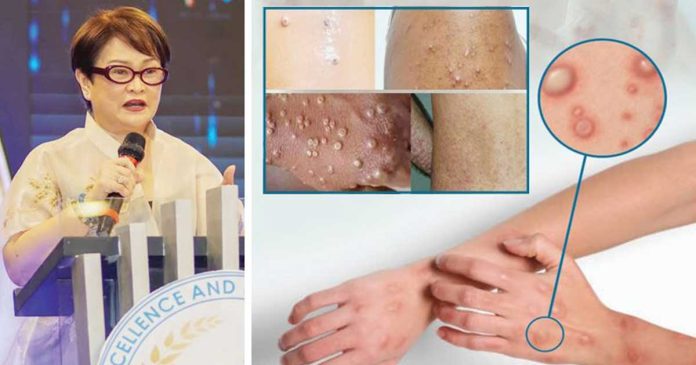
Mpox is an infectious disease caused by the monkeypox virus. Common symptoms include fever, chills, swollen lymph nodes, headaches, muscle pain, fatigue, and a distinctive rash that develops into painful blisters or sores.
There is currently no proven treatment for the disease, and it can be transmitted through close physical contact with someone who is infected.
The IPHO has released updated information and educational materials to clarify how the disease spreads. These include:
* Direct skin-to-skin contact with rashes, sores, or scabs;
* Respiratory droplets or oral fluids from prolonged face-to-face contact;
* Intimate contact such as kissing, hugging, or sex;
* Shared items like clothes, beddings, and contaminated surfaces.
Mpox vs Chickenpox and Measles
To reduce confusion among parents, the IPHO outlined the key differences between mpox, chickenpox, and measles:
1. Onset of fever – Mpox fever typically begins 1–3 days before the rash appears, compared to 1–2 days for chickenpox and 3–5 days for measles.
2. Appearance of rashes – Mpox lesions are blister-like and firm, unlike the milder eruptions of chickenpox or the flat rash of measles.
3. Rate of rash development – Mpox rashes develop slowly, while those of chickenpox and measles spread more rapidly.
4. Location of rashes – Mpox commonly affects the face, palms, and soles; chickenpox is more body-centered and spares the palms and soles; measles begins on the face and spreads to the extremities.
5. Swollen lymph nodes – This is prominent in mpox but not common in chickenpox and variable in measles.
6. Mortality risk – Mpox can be fatal, up to 10% in Clade I and around 1% in Clade II. Chickenpox fatalities are rare; measles-related deaths depend on severity and access to care.
Prevention Tips
To help prevent infection, the IPHO advised the following:
* Avoid close or intimate contact with individuals showing rashes or mpox symptoms;
* Do not share bedding, clothing, or personal items with infected persons;
* Wash hands frequently or use alcohol-based hand sanitizers;
* Use PPE when caring for suspected cases;
* Avoid contact with wild animals that may carry the virus;
* Report suspected infections to local health authorities or the IPHO.
What to Do if You Suspect Infection
The IPHO laid out steps based on exposure and symptom history:
* If you had skin-to-skin contact in the past 30 days or travelled abroad but show no symptoms: limit social interactions and self-monitor.
* If you have symptoms but no known contact or travel history: consult a healthcare provider or dermatologist.
* If you had both contact/travel history and symptoms: isolate immediately and contact a health facility for testing.
The IPHO reiterated that prompt reporting and cooperation from the public are crucial to prevent the spread of mpox in Iloilo./PN