



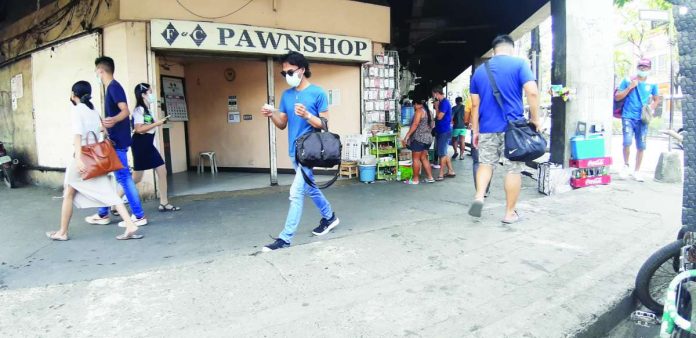
ILOILO City – Environmental and health authorities have raised caution over fluctuating air quality in Iloilo City, warning that even “acceptable” conditions could still pose health risks to vulnerable sectors as haze affects parts of the country.
The Environmental Management Bureau (EMB) Region 6 said that while current readings remain within safe limits, changing weather patterns and pollution sources could quickly worsen conditions, prompting an advisory for sensitive groups to limit exposure.
“Based on the latest monitoring conducted, air quality across all stations remains within ‘good’ to ‘fair’ AQI (air quality index) levels,” the EMB said in a statement, adding that it continues to closely monitor any potential impact on the Metro Iloilo Airshed.
Monitoring stations covering Oton, San Miguel, and Pavia in Iloilo province, as well as Nabitasan in La Paz, Iloilo City, showed generally acceptable air quality levels.
However, authorities stressed that the situation remains dynamic.
“Individuals who are unusually sensitive to air pollution — such as children, the elderly, and those with respiratory conditions — are advised to take precautionary measures to reduce exposure,” the agency said.
The EMB also pointed to weather-related factors such as high atmospheric pressure, which can trap heat, dust, and smoke near ground level — potentially worsening air conditions.
Emissions from vehicles, road dust, and grass fires may further intensify this “trapped pollution” effect, it added.
City Health Officer Dr. Mary Ann Diaz echoed the warning, noting that “fair” air quality, while generally acceptable, is not entirely risk-free.
“The recent EMB report shows that the air quality index of Iloilo City remains fair. It is generally acceptable, but it may affect those with respiratory conditions like asthma, chronic obstructive pulmonary disease, and other pulmonary illnesses, as well as children and the elderly,” Diaz said.
She urged residents to minimize outdoor exposure during periods of higher pollution and improve indoor air quality by avoiding activities such as burning materials inside homes.
“We are advising the use of masks when going outdoors and to protect vulnerable groups, including children, pregnant women, and the elderly,” she added.
Diaz also warned that pollution levels tend to rise during peak traffic hours and due to prohibited practices like open burning of trash under the Clean Air Act.
Amid the air quality concerns, the City Health Office also reminded the public to guard against extreme heat, especially from 11 a.m. to 3 p.m.
“Stay hydrated, avoid prolonged exposure to direct sunlight, and wear protective items like hats, umbrellas, sunglasses, and sunscreen,” Diaz said. “If possible, limit outdoor activities during peak heat hours.”
Both the EMB and local health officials assured continued monitoring of air conditions, urging the public to remain vigilant as environmental factors continue to shift./PN