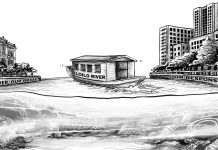




THE CRITICALLY low water levels now affecting major irrigation dams across Western Visayas have sparked understandable concerns about food security, drought, and the looming threat of a “Super El Niño.” But while extreme heat is being blamed as the immediate cause, it would be a mistake to view this solely as a weather problem.
Nature may be delivering less rain, but human activity may also be making the situation worse.
The drying irrigation systems in Iloilo, Antique, Aklan, and Capiz should force us to confront a larger reality: the long-term degradation of watersheds that sustain the region’s rivers, dams, and agricultural productivity.
Water in rivers and irrigation reservoirs begins in forests, mountains, watersheds, and catchment areas. When these natural systems are damaged, the effects eventually find their way downstream — often in the form of water shortages, declining river flows, and reduced agricultural output.
This is why watershed protection matters more than ever.
Across Western Visayas, environmental pressures continue to threaten critical watersheds. Deforestation, irresponsible land conversion, slash-and-burn farming, and destructive development activities have gradually weakened the ability of forests and upland ecosystems to capture, store, and release water.
Forests function as giant natural reservoirs. During rainfall, they absorb water and slowly release it into rivers and streams, helping maintain water supply even during dry periods. When forests disappear, rainwater runs off more quickly, causing flooding during the wet season and water scarcity during the dry season.
In short, degraded watersheds create a dangerous cycle of floods and droughts.
Western Visayas has already witnessed both extremes. Communities regularly endure destructive flooding during heavy rains. Yet only months later, many of the same areas find themselves worrying about dwindling water supply and irrigation shortages.
The issue becomes even more pressing when one considers the role of quarrying and extractive activities. While legitimate quarry operations contribute to economic development and provide materials for infrastructure projects, poorly regulated or illegal quarrying can damage river systems, alter natural water flows, increase erosion, and accelerate environmental degradation.
With several major irrigation systems are already operating under critical low water levels, the long-term health of watersheds will largely determine how resilient these water systems remain during future droughts. Unfortunately, watershed protection often receives less attention than large infrastructure projects. Government agencies frequently focus on dams, canals, and irrigation facilities while overlooking the forests and ecosystems that feed them. Yet no amount of engineering can fully compensate for the destruction of the natural systems upon which water resources ultimately depend.
Protecting watersheds requires a comprehensive and sustained effort. It means reforestation programs that extend beyond ceremonial tree-planting. It means stricter enforcement against illegal logging and quarrying. It means careful land-use planning. It means empowering local communities to become active stewards of their natural resources.
As climate change intensifies extreme weather conditions, the region’s watersheds will become even more important in sustaining agriculture, ensuring water security, and protecting communities from disaster. The challenge is no longer simply about surviving the next drought but preserving the natural systems that make survival possible.