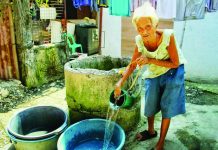




AS THE COUNTRY grapples with the severe impacts of El Niño, characterized by prolonged dry spells and soaring temperatures, the shadow of La Niña looms large, threatening an equally disruptive shift to excessive rainfall. This transition poses a unique challenge, requiring not only immediate response efforts but also long-term resilience strategies.
El Niño, a phenomenon that heats the equatorial Pacific, disrupts normal weather patterns across the globe, often leading to drought, like in Iloilo province. This year, Iloilo has faced significant agricultural setbacks and water shortages, impacting both livelihoods and the local economy. Now, with La Niña on the horizon, these challenges could soon be compounded by the opposite extreme: flooding and the resultant infrastructural and health-related complications.
Gov. Arthur Defensor Jr. and the Iloilo Provincial Government are commendably proactive. In recent council meetings, they’ve laid out a comprehensive plan to prepare for the upcoming rainy season expected with La Niña. These preparations include enhancing the capabilities of the Provincial Disaster Risk Reduction and Management Office (PDRRMO) and ensuring that local government units (LGUs) and partnered agencies are aligned and ready.
Key strategies discussed include revising disaster readiness plans and maps to better predict and manage flood-prone areas. There’s also a focus on clearing waterways and roads to prevent the common rainy-season woes of waterlogging and disease spread, notably dengue and other mosquito-borne illnesses. These efforts are critical, as blocked drainage systems can severely exacerbate flooding, turning even moderate rainfall into a potential disaster.
The planned province-wide clean-up drive and road clearing, scheduled for mid-May, are timely and essential. These initiatives not only address immediate flood risks but also enhance public health measures, which are crucial in densely populated areas. By removing potential mosquito breeding sites, the province aims to curb the dual threats of flooding and disease.
However, the transition from one extreme weather condition to another within such a short period demands more than reactive measures. It calls for a robust, integrated approach to climate resilience. This involves building durable infrastructure, improving water management systems, and fostering community engagement and education about climate risks and personal preparedness.
Investment in climate-adaptive agriculture, such as drought-resistant and flood-tolerant crop varieties, would also be a strategic move for Iloilo. Such practices can mitigate the impact of extreme weather on food security and rural incomes, offering a buffer against the economic shocks caused by climate variability.
Moreover, strengthening early warning systems and ensuring they are accessible and understood by all, particularly vulnerable communities, is vital. Real-time, reliable weather forecasting and alert systems can save lives and reduce economic losses by enabling timely evacuations and safeguarding critical assets.
As Iloilo prepares to face La Niña while still reeling from El Niño’s impacts, it’s clear that managing climate extremes requires not only immediate actions but also an ongoing commitment to building a resilient future. But the real test will be sustaining these efforts through systematic, community-supported resilience planning. The path forward must be paved with policies and practices that equip Iloilo to weather the storm, regardless of which way the wind blows.