


BY GEROME DALIPE IV
ILOILO City – The Local Public Transport Route Plans (LPTRP) of various cities and municipalities in Western Visayas have received low approval rates from the Department of Transportation (DOTr).
LPTRP, one of the 10 components under the Public Transport Modernization Program (PTMP), is designed to optimize routes, reduce congestion, and ensure better service for commuters.
Of the six provinces in Western Visayas, five have submitted LPTRPs, but the Department of Transportation (DOTr) approved only the route plan of the island province of Guimaras, records from Land Transportation Franchising and Regulatory Board (LTFRB) Region 6 showed.
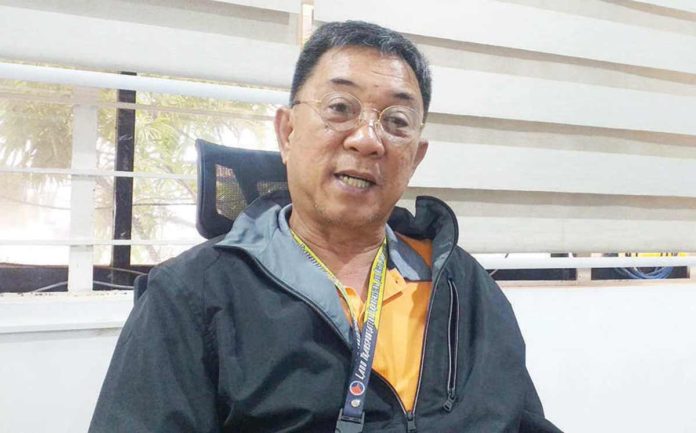
During a recent forum, lawyer Salvador “Jun” Altura, LTFRB-6 officer-in-charge, said Iloilo submitted its fourth draft of LPTRP while Negros Occidental has yet to submit its first draft.
Likewise, only 10 cities among the 14 cities in the region have submitted their LPTRPs. Of the 10 cities, the DOTr approved only three cities.
The LTFRB-6 received 76 submissions and evaluated 59 LPTRPs. However, the LTFRB Central Office has approved only two LPTRPs for implementation.
Altura, the LTFRB-6 officer-in-charge, the drafting of the LPTRP by various towns and cities has faced several challenges leading to its low approval rate from the LTFRB Central Office and the DOTr.
“There are still a substantial number of municipalities that have yet to submit their LPTRPs. There are various reasons why others have not submitted. One is resisting the idea of creating an LPTRP,” he said.
For the highly urbanized cities (HUCs) category, Iloilo City and Bacolod City achieved a 100 percent submission and approval rate. While Iloilo City fully implemented its LPTRP last May 27, Bacolod City plans to conduct a dry run before full implementation.
Altura said the LTFRB-6 had received 93 LPTRPs as of April 2024, representing 66.91 percent of the expected number.
“The process of adopting the LPTRP is quite lengthy,” Altura said.
Altura said the low approval rate could be attributed to delays in the resubmission of proposed LPTRPs by LGUs to give them more time to revise it.
“The problem is, we do not give a timeframe for them to return the corrections we recommended,” Altura stressed.
He also noted that the LTFRB has no control over LGUs to force them to draft and complete their route plan.
But he said the Department of the Interior and Local Government is not requiring LGUs to have their LPTRP to qualify for the Seal of Good Local Governance award.
Drafting and submitting the LPTRP involves several steps, from initial planning to final approval.
It also includes the conduct of a comprehensive assessment of the current public transport system and the gathering of data on passenger demand, existing routes, traffic patterns, and infrastructure.
The LGU will submit the LPTRP to the LTFRB, which will then forward it to the DOTr for evaluation and approval.
The LGU’s draft route includes all necessary documentation, including technical analyses, stakeholder consultation reports, and LGU endorsements.
The DOTr reviews the submitted LPTRP for compliance with national policies and standards. The agency may also conduct its assessment to ensure the plan’s feasibility and potential benefits.
If the DOTr approves the LPTRP, it provides the necessary authorization for implementation. However the submitted route plan requires revisions, and the DOTr provides feedback and requests modifications. The revised plan is resubmitted to the DOTr for final approval.
The DOTr approves LPTRPs of HUCs or provinces, while the LTFRB Central Office is responsible for approving the plans of component cities or municipalities.
The LTFRB in Western Visayas reported a 72.2 percent franchise consolidation rate.
In Iloilo City, the Department of Transportation (DOTr) approved 25 rationalized routes out of the original 35 routes before the approval of the LPTRP.
Out of 2,535 traditional jeepneys in the city, the DOTr authorized 1,782 modern jeepneys to ply these 25 approved rationalized routes comprising old and new routes.
The 1,782 approved units have been allocated to 14 transport cooperatives and two corporations.
Under the program, drivers and operators are promised stable, sufficient, and dignified livelihoods while commuters get to their destinations quickly, safely, and comfortably.
The agency also said the program features regulatory reform and sets new guidelines for franchises for road-based public transport services.
The local government units are empowered to draft their route planning considering they are more versed in the terrain and passenger demand within their territorial jurisdiction./PN