



ILOILO City — Heat index levels in Iloilo have surged into the “danger” category, prompting the Philippine Atmospheric, Geophysical and Astronomical Services Administration (PAGASA) to warn Ilonggos to brace for even more intense heat in the coming days as the region reaches the peak of the warm and dry season.
PAGASA Iloilo reported that heat index readings have consistently exceeded 40 degrees Celsius in recent days, with a recorded 43 degrees Celsius as of 1 p.m. Sunday, April 26.
The highest heat index recorded so far this year reached 44 degrees Celsius on February 28, while an even higher 46 degrees Celsius was logged on April 4 at the PAGASA Dumangas-Iloilo Station.
“Kun mag warm and dry season, usually mga 37 to 39 degrees Celsius pero masaka gid man na sia sa ulihi, which is amo na ini sia subong. Tunga-tunga na kita sang tag-init nga season pero usually basta mga April, naga-record kita sang 40-plus nga heat index,” said Jan Baron, weather facilities technician of PAGASA Iloilo.
Heat index, PAGASA explained, measures how high humidity combines with elevated temperatures to reduce the body’s ability to cool itself, significantly increasing health risks during prolonged exposure.
Heat index levels are divided into four categories:
* 27 degree Celsius to 32 degree Celsius (Caution) – Fatigue is possible with prolonged exposure
* 33 degree Celsius to 41 degree Celsius (Extreme Caution) – Heat cramps and heat exhaustion may occur
* 42 degree Celsius to 51 degree Celsius (Danger) – Heat exhaustion is likely, and prolonged exposure may lead to heat stroke
* 52 degree Celsius and above (Extreme Danger) – Heat stroke is highly likely and considered a medical emergency
With conditions already reaching hazardous levels, PAGASA urged the public to take protective measures, especially during peak hours from 11 a.m. to 2 p.m.
“Panangga lang gid sa init kun kinahanglan naton magwa kag kun may laktan kita nga kinahanglan na ta gid magpa-init. Magdala kita sang kalo or payong and, of course, stay hydrated. Balon kita tubig,” Baron added.
Authorities also advised rescheduling outdoor activities to early morning or late afternoon to minimize direct exposure to extreme heat, particularly for vulnerable sectors such as senior citizens, persons with disabilities, and individuals with existing medical conditions.
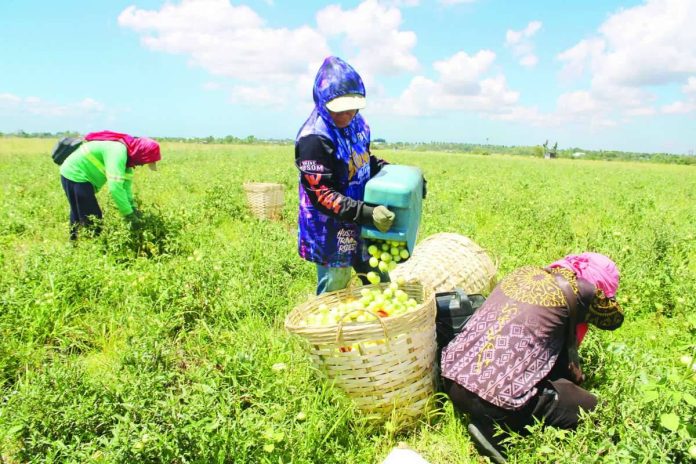
For those whose work requires prolonged exposure outdoors, PAGASA stressed the importance of taking regular breaks in shaded areas to allow the body to cool down.
“Kun magdugay kita sa initan, nagadaku ang tsansa nga mag-heat stroke. Gani gina-advise ta nga i-limit ang outdoor activities. Pero siempre nga may ara abi nga part sang aton obra nga kinahanglan ta gid magkadto,” Baron further said.
Based on PAGASA’s classification, heat index levels between 42 degrees Celsius and 51 degrees Celsius fall under the “danger” category, where heat exhaustion is likely and prolonged exposure may lead to heat stroke, a potentially life-threatening condition.
Authorities reiterated their call for vigilance, noting that temperatures may continue to rise as the dry season progresses, further increasing the risk to public health./PN