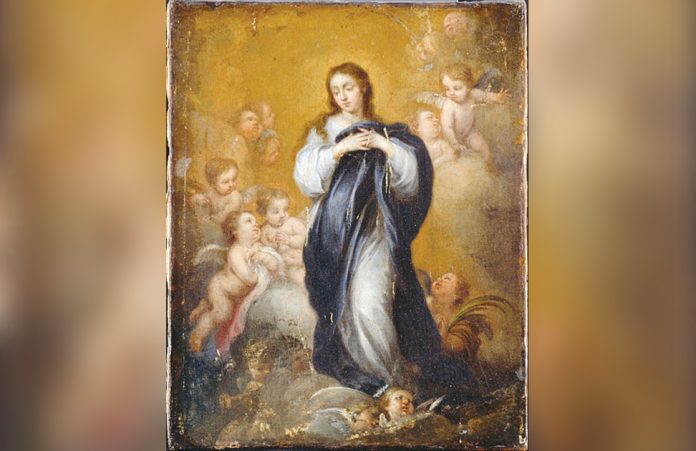
ILOILO City – Work ground to a halt across Western Visayas today as millions of Filipino Catholics observe the Feast of the Immaculate Conception of Mary — a legally mandated nationwide non-working holiday that once again underscored the country’s deep Catholic roots.
The suspension of work, anchored on Republic Act No. 10966 and reaffirmed this year through Malacañang’s Proclamation No. 727, shuttered government offices, most private firms, and numerous commercial establishments across the region. The holiday, first instituted in 2017, has since become one of the most widely observed religious days in the Philippine calendar.
The Catholic celebration, which marks the belief that Mary was conceived without original sin, is considered a holy day of obligation. Parishes across Iloilo, Capiz, Aklan, Antique, and Negros Occidental reported higher-than-usual attendance at special Masses, with many families treating the holiday as a day for prayer and reflection.
The Department of Labor and Employment, anticipating widespread queries, reiterated the pay rules for the special non-working holiday.
Among these are:
* “No work, no pay” unless a company or CBA (Collective Bargaining Agreement) provides otherwise;
* Employees who report for duty must receive an additional 30% of their basic wage for the first eight hours;
* Work beyond eight hours earns another 30% premium;
* If December 8 falls on a rest day, employees working must receive 150% of the basic wage for the first eight hours;
* Overtime on a rest-day holiday requires an additional 30% on top of the adjusted hourly rate.
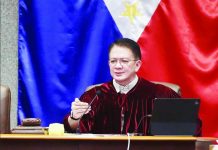
The measure declaring December 8 a fixed holiday originated from a 2016 proposal by then–House Majority Leader Rodolfo Fariñas, eventually becoming law through RA 10966.
While most establishments remained closed today, essential services — hospitals, transport groups, and security forces — continued operations under the mandated holiday compensation rules.
Across Western Visayas, the day unfolds with a solemn observance in churches, mirroring the region’s Marian devotion even amid a rapidly changing cultural landscape./PN