


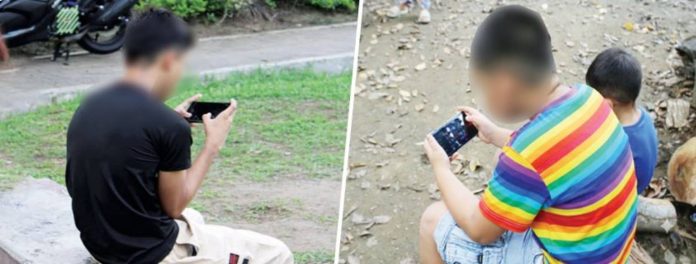
ILOILO City — More than four in every 10 adolescents in Western Visayas have been exposed to online pornographic content, while a growing number are also experiencing cyber-harassment and exchanging sexual images online, according to the Commission on Population and Development (CPD).
Data from the 2023 Young Adult Fertility and Sexuality Study (YAFS) Regional Profile showed that 41 percent of adolescents aged 10 to 19 in Western Visayas reported accidental exposure to pornographic materials, while 17.6 percent admitted deliberately seeking such content.
The study also found that 38 percent had received sexual photos or videos, 7.3 percent had sent such materials, and 12.2 percent had experienced cyber-harassment.
The findings have raised concerns over adolescents’ online safety and the potential effects of digital exposure on their understanding of sex, relationships, consent, and personal privacy.
“Adolescents are now digitally familiar. It is said that they are exposed to pornography, but we need to be very careful because exposure does not necessarily mean they will practice what they see. Causality does not necessarily mean correlation. This is based on findings from their interviews, and these participants are adolescents. Nevertheless, supervision and education remain crucial,” Harold Alfred Marshall, regional director of CPD-6, told Panay News in an interview.
Marshall emphasized that while adolescents are increasingly immersed in the digital world, parents, educators, and communities must provide proper guidance to help young people critically interpret the content they encounter online.
In response to the growing digital risks, CPD-6 has launched the upgraded AHlam Na! 3.0 mobile application, designed to provide adolescents with reliable information on sexual and reproductive health, puberty, nutrition, and other youth-related concerns.
The app also offers referral pathways that connect users with appropriate health services and support systems.
Marshall said the agency deliberately chose a digital platform because it aligns with how today’s youth consume information.
“We recognized that our adolescents are digitally wired, constantly engaged with their phones and connected to Wi-Fi. Therefore, we saw the potential of the internet as a vital tool for disseminating accurate and relevant information on essential topics such as sexual health, puberty, and nutrition,” he explained.
Despite efforts to improve adolescent health and promote gender equality, CPD-6 said major challenges remain, including rising mental health concerns, persistent social inequalities, and barriers to accessing sexual and reproductive health services.
Marshall also highlighted what he described as an “awareness without knowledge” phenomenon among young people.
CPD-6 noted that while 79.3 percent of youth have heard about human immunodeficiency virus (HIV) and Acquired Immune Deficiency Syndrome (AIDS), only 12 percent possess comprehensive and accurate knowledge about the disease. Meanwhile, only 23.4 percent are aware of sexually transmitted infections (STIs) and related reproductive health concerns.
“While adolescents may be exposed to discussions around reproductive health topics, they are often not equipped with the accurate information necessary for informed decision-making,” he explained.
Marshall urged young people to use gadgets and mobile phones responsibly, particularly as tools for education, research, and personal development rather than sources of harmful or misleading content.
He said initiatives such as the AHlam Na! mobile app, together with strengthened Comprehensive Sexuality Education, are essential in equipping adolescents in Western Visayas with the knowledge and skills needed to make informed decisions, protect themselves online, and safeguard their overall health and well-being./PN