


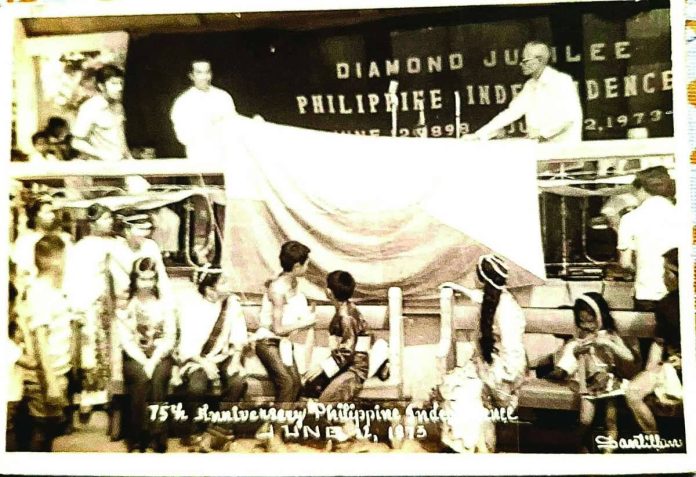
ANTIQUE— As the nation marks the 128th anniversary of Philippine Independence today, June 12, Antiqueños are celebrating not only the freedom won by Filipino revolutionaries but also a rare historical treasure that continues to connect the province to one of the country’s defining moments—a 127-year-old revolutionary flag believed to have been carried during the struggle against Spanish colonial rule.
For more than a century, the flag remained hidden from public view, carefully preserved by generations of the Abellon family. Today, it stands as one of Antique’s most significant historical artifacts, serving as a tangible reminder of the sacrifices, courage, and patriotism that shaped the nation.
The flag’s story traces back to September 21, 1898, when General Leandro Fullon, the Antiqueño revolutionary leader tasked by General Emilio Aguinaldo to liberate Panay and the Visayas, arrived in Pandan, Antique with a force of officers and soldiers. Historical accounts maintained by local historians and descendants of revolutionary leaders claim that Fullon and his trusted second-in-command, 2nd Lt. Ruperto G. Abellon, brought with them a Philippine revolutionary flag from Luzon.
According to family records and local historical narratives, the banner was later entrusted to Abellon for safekeeping, beginning a 127-year stewardship that would span several generations.
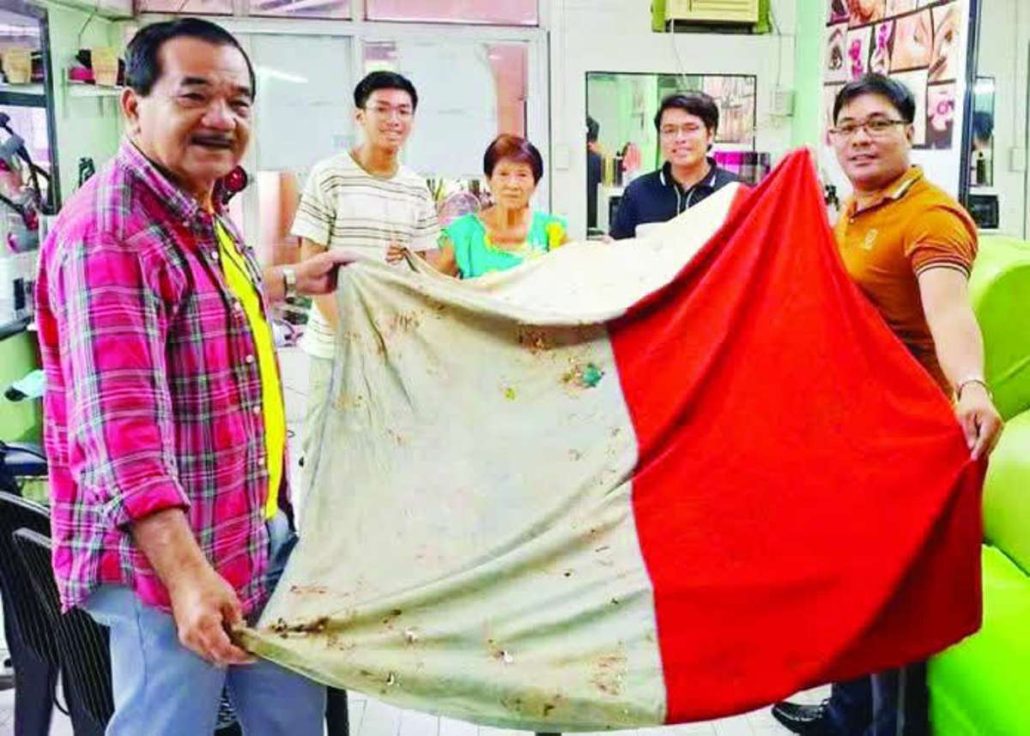
The flag passed from Ruperto Abellon to his son Juan Abellon and eventually to Juan’s daughter Norma Abellon, who guarded the historic relic for decades.
Former Antique Provincial Board member and historian Errol Santillan recalled his first encounter with the flag in June 2025 during a visit to the Abellon residence.
For years, the flag had been carefully folded and stored inside a transparent plastic envelope, shielded from public attention but protected by a family determined to preserve a piece of the nation’s revolutionary heritage.
“Too many discoveries and stories had been documented that day,” Santillan wrote in a recent social media post, recalling the old photographs and historical records found alongside the flag.
The discovery prompted further efforts to verify the artifact’s historical significance.
On July 16, 2025, an examiner from the National Historical Commission of the Philippines (NHCP) visited the Abellon ancestral home in San Jose de Buenavista to inspect the flag and related historical materials.
During the examination, the NHCP representative noted that the flag’s material appeared consistent with a wartime banner rather than a ceremonial one.
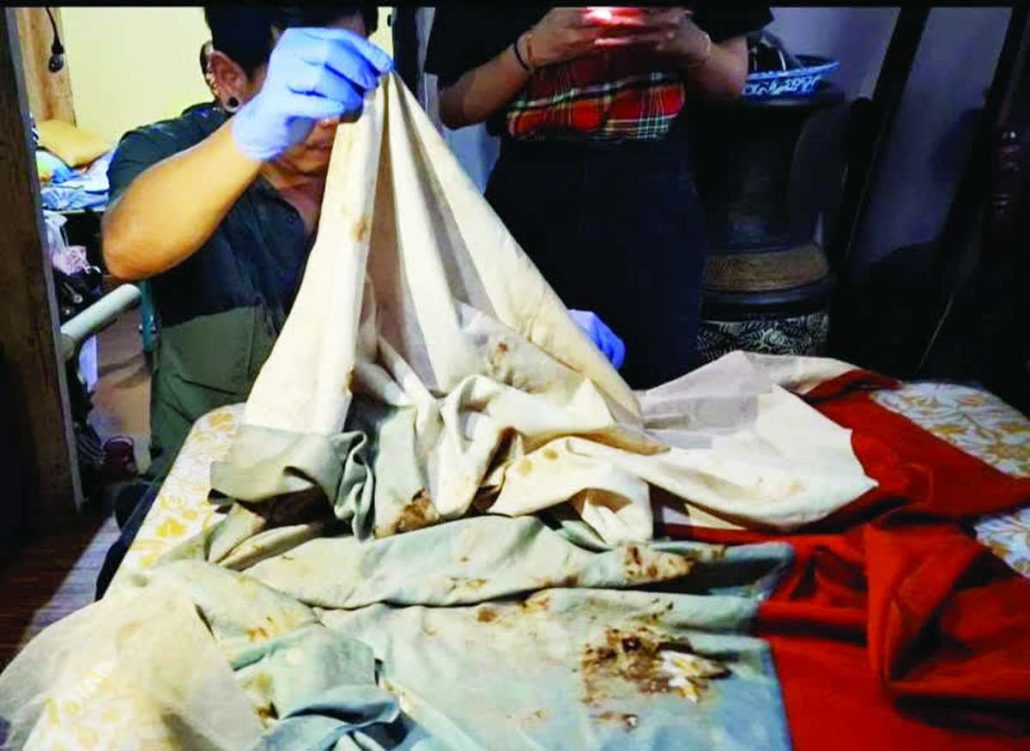
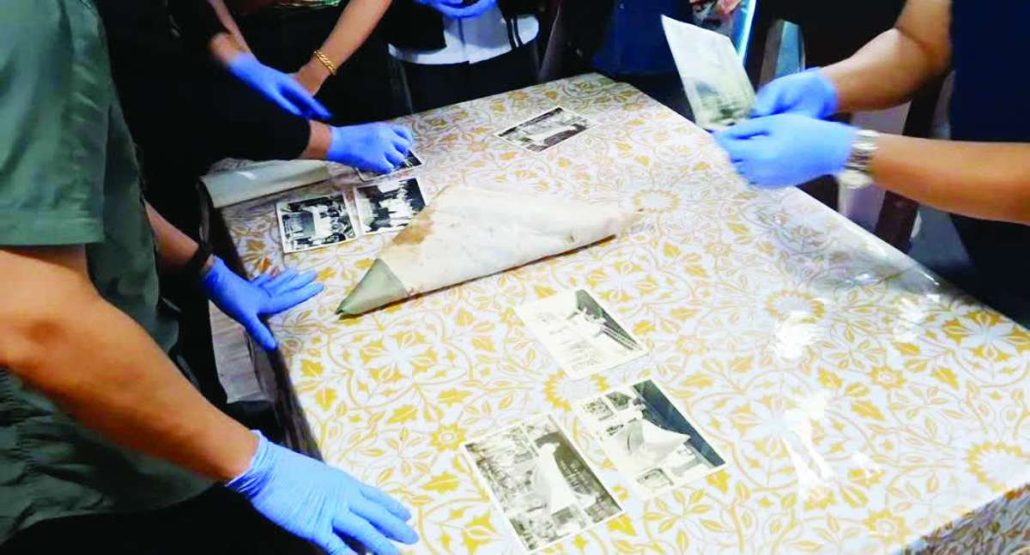
“The material of the flag is really for battles. It was not intended for ceremonial use,” the examiner observed in a video later shared by Santillan.
On the same day, the examiner brought some fibers of the flag’s fabrics to the NHCP central office for further examination. However, for almost a year now, no results for its authentication had been reported yet.
For Norma Abellon, who spent decades safeguarding the relic, the examination represented hope that the flag would finally receive the recognition she believed it deserved.
Sadly, she passed away before the NHCP could release the results of its validation process.
Her dream, however, lived on.
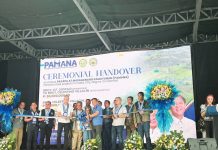
On October 27, 2025, during a ceremony aptly called “Pagtugyan: The Sacred Transfer of Antique’s Revolutionary Legacy,” the Abellon family formally turned over the historic flag to the Provincial Government of Antique, ending more than a century of private guardianship.
Held in Patnongon, the hometown of Colonel Ruperto Abellon, the ceremony symbolized the return of the revolutionary banner to the people of Antique.
Speaking on behalf of the family, Danny Abellon-Elizalde emphasized that they had never considered themselves owners of the artifact.
“For 127 years, our family carried the responsibility of guarding this revolutionary flag. We believed it belonged not to one of us in the family, but to the entire people of Antique,” he said.
The turnover was institutionalized through a provincial ordinance that allocated resources for the flag’s preservation and conservation.
Accepting the artifact, Gov. Paolo Everardo Javier described the flag as a powerful symbol of equality, purity, and the Filipino spirit that fought against colonial oppression.
Today, the flag remains under the custody of the provincial government while local historians continue to advocate for its declaration as an important cultural property or national treasure.
For Santillan, who is now the legal custodian of the Abellon’s oral tradition and intangible heritage, and other heritage advocates, the significance of the artifact extends beyond Antique.
The flag’s existence has fueled discussions among historians regarding the early raising of the Philippine flag in Panay. Some local accounts suggest that the revolutionary banner may have been raised in Pandan, Antique upon Fullon’s arrival—weeks before the historic “Cry of Sta. Barbara” in Iloilo, where the Philippine flag was first officially raised outside Luzon.
While historians and the NHCP continue to examine these claims, the artifact itself remains an undeniable witness to the revolutionary era.
As Filipinos gather Friday for flag-raising ceremonies, wreath-laying rites, and Independence Day commemorations, Antique’s revolutionary flag stands as a silent but powerful reminder that freedom was not won in a single place nor by a single hero.
It was secured through the collective sacrifices of countless Filipinos across the archipelago—including the brave men and women of Antique who joined the struggle for nationhood./PN