


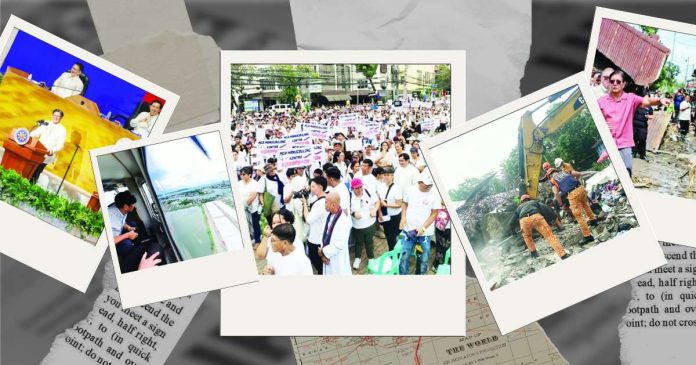
THE SECOND half of 2025 tested Western Visayas and the country as a whole with relentless calamities, political reckonings, and moments of collective resolve.
From powerful typhoons and deadly earthquakes to corruption exposés, mass protests, and enduring cultural celebrations, the months from July to December revealed both the region’s deep vulnerabilities and its capacity for resilience, vigilance, and unity amid uncertainty.
JULY: Storms and a SONA reckoning
July opened with the destructive force of Typhoon “Crising,” which displaced over 33,000 families and caused more than P52 million in infrastructure damage across Western Visayas, with Aklan and Antique hardest hit. Negros Occidental also reported millions in losses to agriculture and property.
Against this backdrop, President Ferdinand Marcos Jr.’s fourth SONA struck a sharp political note, ordering a full audit of flood control projects nationwide and calling out corruption that has worsened the impact of disasters.

AUGUST: Violence, accountability, and civic pride
August was marked by shock and scrutiny. Ibajay’s Vice Mayor Julio Estolloso was gunned down inside the municipal hall, rattling Aklan’s political community.
At the national level, President Marcos launched the “Sumbong sa Pangulo” website, encouraging citizens to report anomalous flood control projects — an initiative underscored by his inspection of delayed projects and the inauguration of the P885-million Iloilo Fish Port.
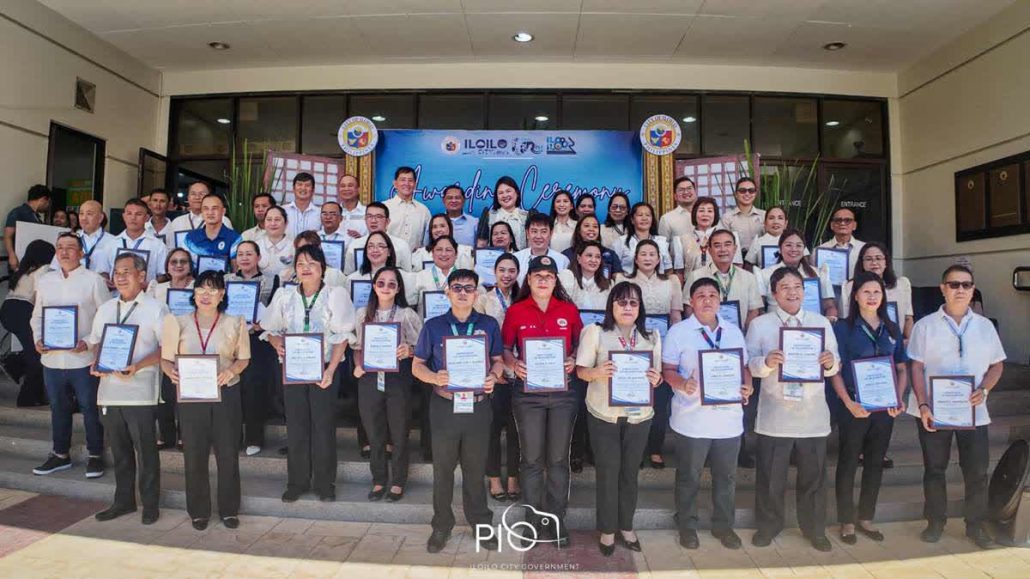
Amid the turmoil, Iloilo City celebrated its 88th Charter Day by honoring Ilonggos whose service and excellence define the city’s strength.
SEPTEMBER: Disasters, protests, and power failures
September unfolded as one of the year’s most turbulent months. Lawmakers from Western Visayas, Uswag Ilonggo party-list’s Cong. James “Jojo” Ang and former Aklan 2nd District congressman Teodorico Haresco Jr., were dragged into alleged infrastructure anomalies at the Senate Blue Ribbon hearings.
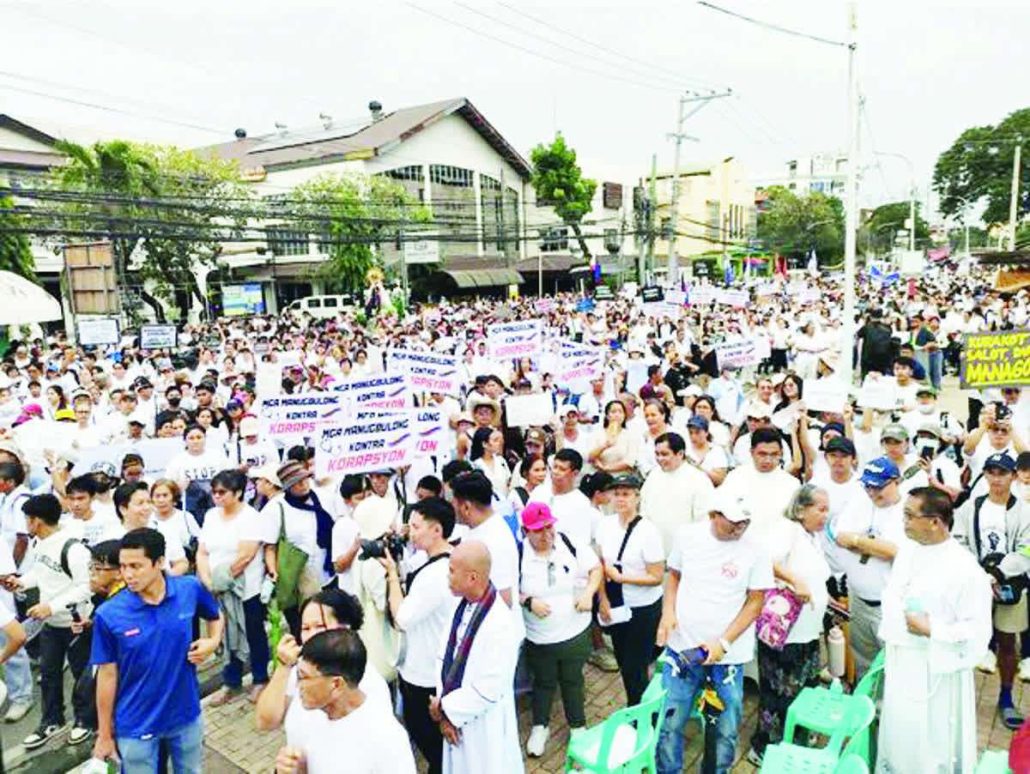
Boracay suffered a crippling blackout that exposed the fragility of its power system. Massive crowds joined the “Trillion Peso March” demanding accountability, even as successive weather disturbances—Super Typhoon “Nando” and Tropical Storm “Opong” — forced class suspensions and caused widespread flooding.
The month ended in tragedy with a magnitude 6.9 earthquake in Cebu that killed dozens and put Western Visayas on high seismic alert.
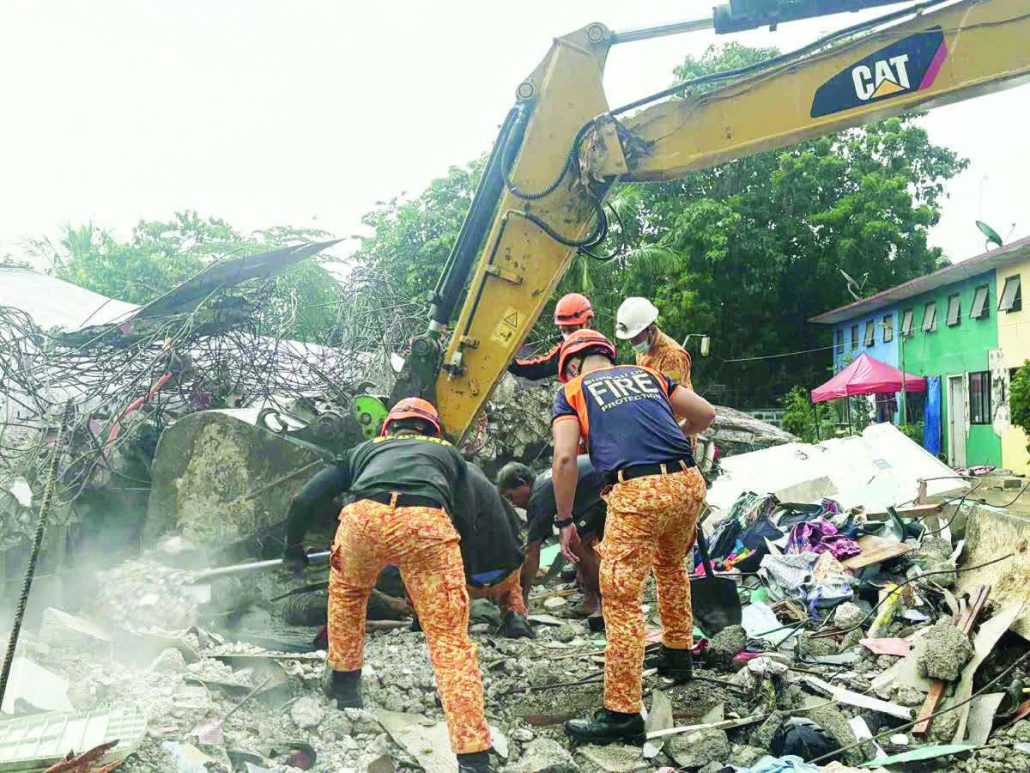
OCTOBER: Shaken ground, steadfast spirit
October kept the region on edge as strong earthquakes in Davao Oriental and Guimbal, Iloilo, triggered evacuations, inspections, and heightened preparedness.
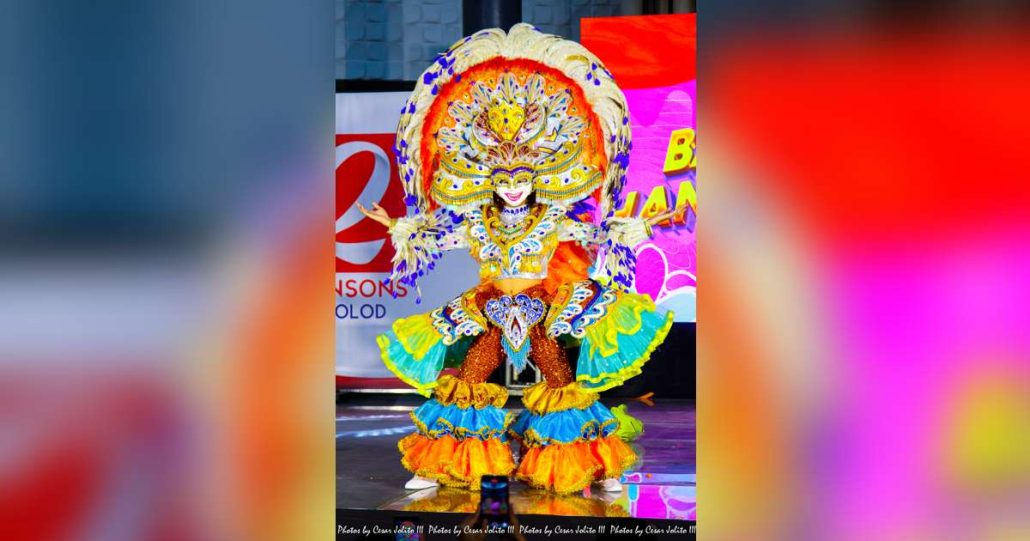
Despite these challenges, Bacolod City’s MassKara Festival emerged as a symbol of hope and unity, drawing crowds under the banner of resilience.
Meanwhile, Tropical Storm “Ramil” exposed weak flood defenses in Capiz and Iloilo, again highlighting infrastructure gaps amid intensifying climate threats.
NOVEMBER: Typhoons, threats, and outrage
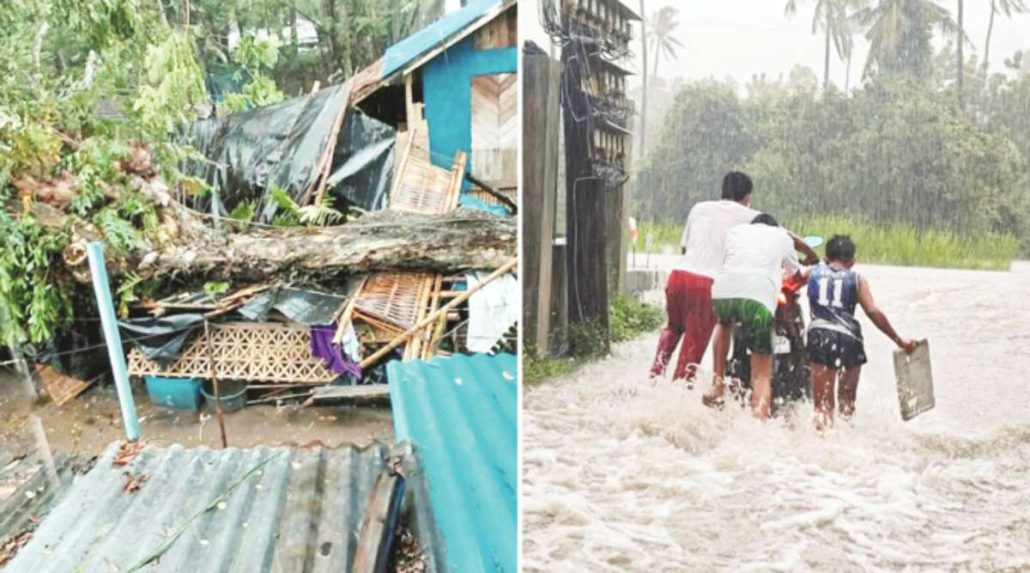
November brought compounding crises. Typhoons “Tino” and “Uwan” battered Western Visayas, affecting over a million people, damaging tens of thousands of homes, and inflicting heavy losses on agriculture and infrastructure.
Moreover, a wave of bomb threats forced the evacuation of dozens of schools across Iloilo and neighboring provinces, sowing fear and disruption.
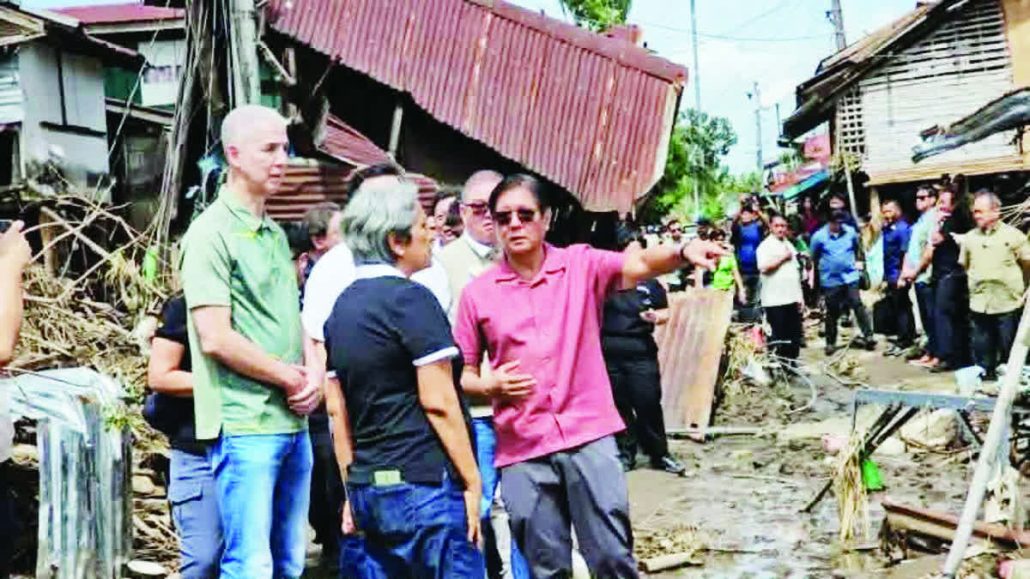
President Marcos visited Negros Occidental to assess damage and reassure victims, even as Ilonggos again took to the streets in “Trillion Peso March 2.0” to protest corruption and political impunity.
DECEMBER: Vigilance, giving, and cultural awakening
December closed the year with both caution and compassion. Tropical Depression “Wilma” triggered widespread port closures, stranding passengers and disrupting supply chains across Western Visayas.
Amid these challenges, Panay News held a gift-giving drive that reached nearly 600 children in Pavia, Iloilo. The event also marked the company’s 45th anniversary.

The year’s final controversies surfaced with the exposure of a large-scale AICS anomaly in Iloilo City. Yet, hope prevailed as the Dinagyang “Pamukaw” ritual awakened the city’s spirit, signaling continuity, faith, and the promise of renewal as Iloilo prepared for 2026.

2025 major law enforcement and public safety incidents
The region saw its biggest drug busts on record as police operatives seized multi-million-peso worth of illegal drugs in separate operations. In Sara, Iloilo, authorities arrested three suspects — two identified as high-value individuals — and confiscated 1.8 kilos of shabu worth P12.24 million during a buy-bust operation in Barangay Aldeguer in November. In Bacolod City, the City Drug Enforcement Unit recovered 1.54 kilos of suspected shabu valued at P10.44 million from five suspects in Barangay Mansilingan on June 29, and earlier seized another 2.5 kilos worth P17 million from a lone suspect in Barangay Estefania on May 18 — marking one of the largest anti-drug hauls in the city this year.
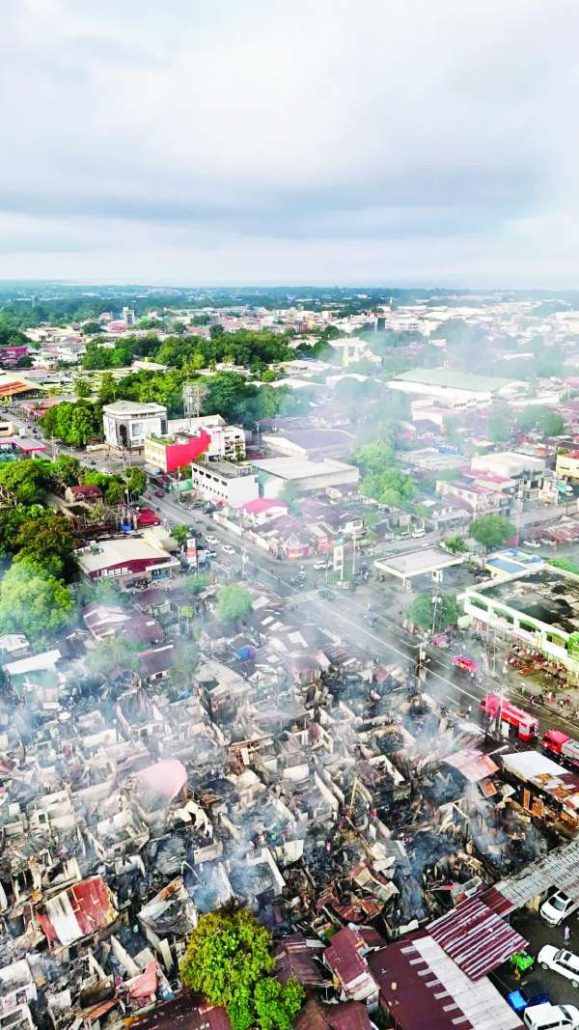
Public safety concerns were further highlighted by the biggest fire incident of 2025 in Bacolod City, when a three-hour blaze razed Purok Cheriza in Barangay 27 on September 12. The fire destroyed 180 houses and damaged 36 others, affecting at least 216 homes and displacing 212 families or 855 individuals. Damage was estimated at P4.5 million, with most structures made of light materials.
As 2025 draws to a close, the stories of the past 12 months stand as a powerful reminder that Western Visayas is shaped not only by the trials it endures, but by the courage with which its people respond. Amid storms, quakes, political upheavals, and social unrest, communities rose to demand accountability, extend compassion, and preserve culture. The year leaves behind hard lessons on governance, preparedness, and integrity — yet it also affirms an enduring truth: in the face of adversity, Western Visayans continue to stand resilient, vigilant, and hopeful as they move forward into a new year./PN