


[av_one_full first min_height=” vertical_alignment=” space=” custom_margin=” margin=’0px’ padding=’0px’ border=” border_color=” radius=’0px’ background_color=” src=” background_position=’top left’ background_repeat=’no-repeat’ animation=”]
[av_heading heading=’Iloilo City registrar mulls mobile reg in remote areas’ tag=’h3′ style=’blockquote modern-quote’ size=’30’ subheading_active=’subheading_below’ subheading_size=’15’ padding=’10’ color=” custom_font=”][/av_heading]
[av_textblock size=” font_color=” color=”]
Sunday, August 20, 2017
[/av_textblock]
[av_image src=’http://www.panaynews.net/wp-content/uploads/2017/08/news-mobile-reg.jpg’ attachment=’114588′ attachment_size=’full’ align=’center’ styling=” hover=” link=” target=” caption=” font_size=” appearance=” overlay_opacity=’0.4′ overlay_color=’#000000′ overlay_text_color=’#ffffff’ animation=’no-animation’][/av_image]
[av_textblock size=’18’ font_color=” color=”]
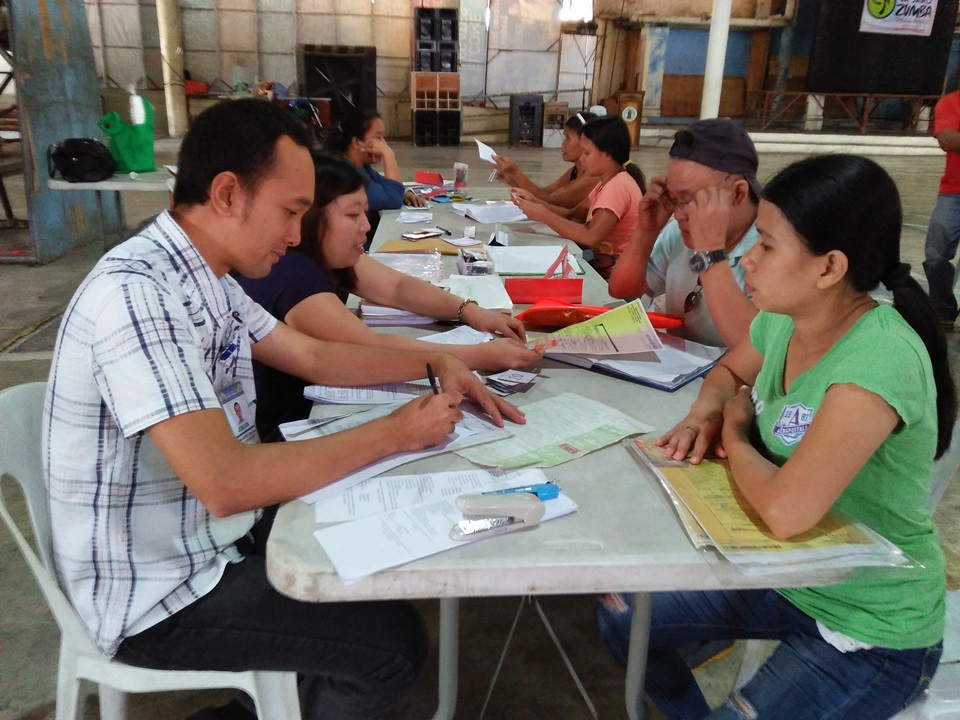
ILOILO City – The Civil Registry Office of the city government aims to bring its mobile registration service to remote villages and relocation sites.
The service had so far served around 500 clients since starting in July in Arevalo district.
The office moved to the Jaro gym on Friday and went to a mall during the weekend. On Aug. 24, the service will be in Mandurriao.
Civil Registry Office staffers answer queries on birth, marriage and death records.
Corrections on clerical errors in the records are also accommodated as long as they are within the purview of the office, said Civil Registrar Romeo Caesar Manikan Jr.
Only qualified indigents may avail themselves of the service for free.
After Aug. 24, the office hopes to take the mobile registration service to remote areas at least once a month, Manikan said. “We wanted to bring this project of Mayor Jed Patrick Mabilog closer to the people.”
Many children, especially those born at home, had no birth records, while some hospitals – due to lack of staff – failed to register babies delivered in their facilities, Manikan noted.
Around 60 to 70 percent of late birth registrants the office accommodates were home deliveries, he said.
The United Nations Convention on the Rights of a Child mandates that children be registered immediately after birth, said Manikan, adding that the attendant or parents may decide who will process the registration in the case of home births.
A child registered more than 31 days after birth is considered late registrant.
Moreover, Manikan said they hope to complete the computerization of the Civil Registry Office by 2018. The process entails between P5 million and P7 million.
The initiative will make the office “more efficient” and the records “more secure”; limit the physical handling of documents, a factor in wear and tear; and promote transparency, he added.
The Civil Registry Office also needs a storage where hard copies of documents may be kept.
Many government agencies and the courts rely on original documents, said Manikan. “These are records that are perpetual in nature and could not be disposed of.” (PNA)
[/av_textblock]
[/av_one_full]