


ANTIQUE — The provincial government of Antique is moving to strengthen the enforcement of iodized salt use in food production, sale, and consumption as health authorities raise concerns over iodine deficiency in the province.
Officials said a proposed ordinance is being drafted to require that only iodine-enriched salt be produced, sold in markets, and used in food establishments across the province.
The measure is being prepared by the National Nutrition Council Region VI, in coordination with national and provincial agencies comprising the Provincial Nutrition Council (PNC), in line with Republic Act No. 8172, also known as the ASIN Law or the “Act for Salt Iodization Nationwide.”
A workshop held from March 11 to 12 in San Jose de Buenavista gathered PNC members to draft a new provincial ordinance that will update Antique’s existing measure enacted in 2001.
According to Sheryl C. Sedantes, officer-in-charge regional nutrition program coordinator of the National Nutrition Council Region VI, the updated ordinance aims to strengthen the role of local government units in monitoring and enforcing compliance with the ASIN Law.
The proposed measure will include provisions on the regulation of salt production, manufacturing, distribution, and sale, as well as penalties for violations. It will also identify members of the Provincial Bantay Asin Task Force, which will monitor compliance with iodized salt requirements.
The move comes after the Iodine Global Network (IGN) reported that Antique ranked second nationwide in iodine deficiency among lactating mothers.
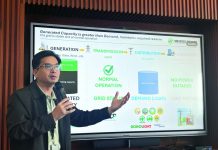
Data from a 2019 study presented by Teofilo San Luis, national director of IGN, showed that iodine intake among lactating mothers in the province measured only 58 micrograms per liter, far below the adequate level of 100 to 199 micrograms per liter.
San Luis warned that iodine deficiency among pregnant and lactating women can significantly affect infant health and brain development.
“Babies born from mothers with iodine deficiency may have significantly lower IQ,” he said, adding that proper iodine intake is especially crucial during the first 1,000 days of life—from pregnancy until a child reaches two years old.
IGN noted that at least 30 provinces in the country have problems with salt iodization, with 72 percent of salt samples tested nationwide showing poor iodization levels.
To address the issue, the PNC is drafting a resolution requiring that only iodized salt be supplied, produced, and sold for food consumption in the province.
Sangguniang Panlalawigan member Zoilo Bernardo Tubiano is expected to sponsor the proposed resolution for deliberation by the provincial board.
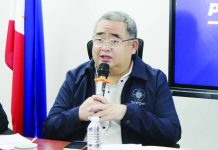
Gov. Paolo Javier, who chairs the Provincial Nutrition Council, has also called on households to strictly use iodized salt in food preparation and support policies that ensure only iodized salt is available in local markets.
“Iodine is a vital nutrient to protect the health, brain development, and future of our children. Together, we can prevent the consequences of iodine deficiency in our province,” Javier said./PN