



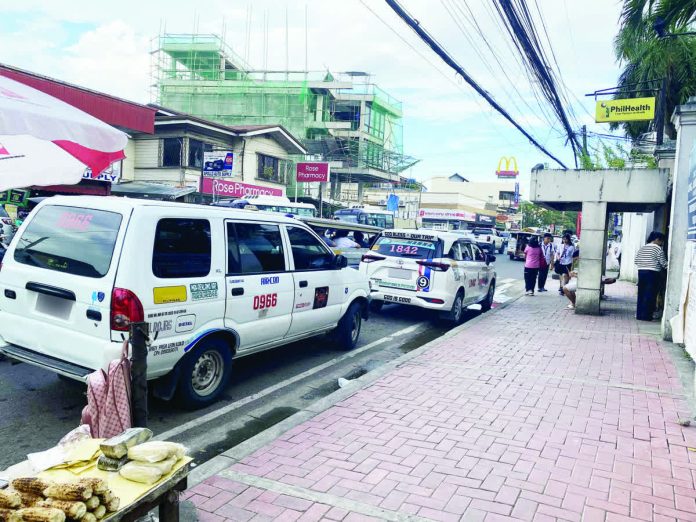
ILOILO City – The Sangguniang Panlungsod (SP) is pressing the Land Transportation Franchising and Regulatory Board (LTFRB) Region 6 to clarify its controversial approval of 100 new taxi franchises — collectively branded as “blue taxi” — granted to two Davao-based operators amid fears of market oversaturation and unfair competition against local transport firms.
The move, confirmed by LTFRB-6 Legal Counsel Atty. Salvador Altura Jr., has sparked a wave of concern among local taxi operators, drivers, and city officials questioning the timing and necessity of the decision.
In response, the City Council’s Committee on Transportation, chaired by Councilor Sedfrey Cabaluna, has sent a formal letter to LTFRB-6 regional director Richard Osmeña requesting full disclosure of the basis for the approval.
The letter sought copies of the feasibility study, ridership data, utilization rates of existing taxi units, and records of public consultations conducted prior to granting the franchises.
“We respectfully express our concern over this development, particularly in relation to the current public transport demand and the existing number of taxi units operating,” Cabaluna said, noting that local operators have already reported declining passenger volumes that could worsen if more taxis enter the market without proper evaluation.
While acknowledging LTFRB’s regulatory mandate, Cabaluna stressed that transport initiatives must align with Iloilo City’s sustainable urban mobility plans and economic conditions.
“It is our duty to ensure that all transport-related initiatives within the city remain consistent with development plans and responsive to the needs of both operators and commuters,” he said.
The councilor underscored that the local government supports measures that enhance mobility and healthy competition but warned that coordination and data transparency are key to maintaining transport balance.
“We hope that future undertakings of similar nature be coordinated with the City Council to maintain a collaborative and transparent approach in transport management,” he added.
Despite the apprehension, Cabaluna maintained that the City Council trusts LTFRB’s commitment to uphold fair and sustainable regulation.
“We trust in the LTFRB’s commitment to uphold fair regulation and sustainable transport policy,” he said, expressing optimism that continued dialogue between the agency and local stakeholders would ensure that Iloilo’s transport system remains efficient, equitable, and inclusive.
The “blue taxi” units are expected to begin operations in the coming days, but the lack of public disclosure on the data supporting LTFRB’s decision continues to fuel questions among the city’s transport sector and policymakers — setting the stage for what could become a major policy debate over the balance between competition and local protection in Iloilo’s public transport landscape./PN