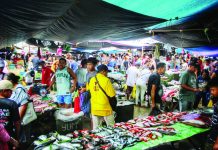



WHEN TYPHOON Tino roared across Iloilo City, bringing with it howling winds and power outages, one might have expected the familiar sight of panic buying — empty supermarket shelves, long queues at groceries, and frantic shoppers hoarding basic goods. Yet none of that happened. Iloilo City remained calm, disciplined, and orderly. Residents bought what they needed and nothing more.
That restraint is more than a sign of preparedness — it is a reflection of civic maturity. It shows that Ilonggos are beginning to understand a deeper truth often forgotten in times of fear: that responsible consumption is not just a personal virtue but a public duty. When everyone buys only what they need, they help ensure that others — especially the poor and the vulnerable — have access to life’s essentials, too.
Panic buying, after all, is a symptom of distrust — distrust in systems, in governance, and in one another. It creates artificial shortages, inflates prices, and breeds resentment. Iloilo’s calm during Tino suggests that the city may be slowly breaking away from that cycle. Without a doubt, clear communication from the local government, the assurance of adequate supplies, and visible leadership all helped sustain public confidence. But more importantly, it revealed something commendable about the people themselves: self-control grounded in social awareness.
This culture of moderation should not fade once the skies clear. Responsible consumption is not just for typhoons or blackouts — it is a principle that should apply every day, in every household and marketplace. Buying only what one needs, avoiding waste, and sharing resources when possible are acts of solidarity that strengthen communities. They remind us that resilience is not built on abundance alone but on fairness, cooperation, and empathy.
Iloilo’s example offers a timely reminder to other cities: discipline in consumption must go hand in hand with preparedness in governance. Public officials can keep supplies steady and prices fair, but it is the people’s behavior that ultimately determines whether communities thrive or crumble in crisis.
The calm in Iloilo’s markets after Tino should inspire all Filipinos to cultivate a similar sense of collective responsibility. Let us remember that every unnecessary item we hoard is one less for someone who needs it more. True resilience begins when we stop thinking only of our own survival — and start caring about everyone else’s.