




ILOILO City — Music filled the North Grove Center in Molo on April 11, but more than melodies, it carried stories of resilience, hope, and courage.
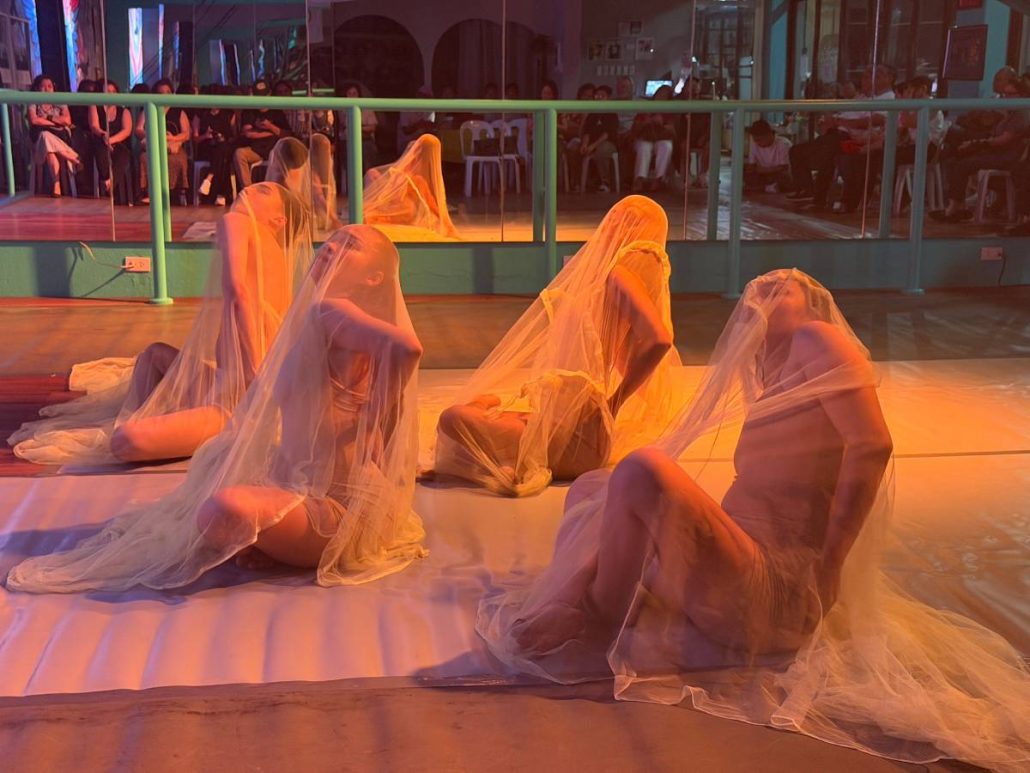
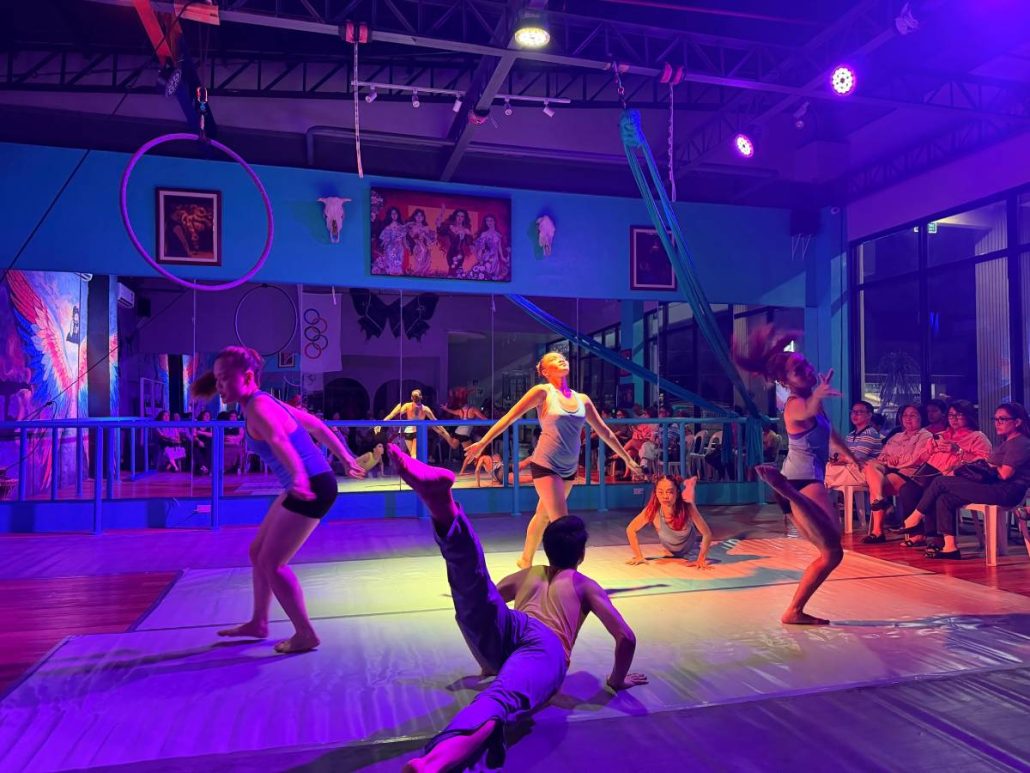
In celebration of World Parkinson’s Disease Day, patients, caregivers, and advocates gathered for “Resilience: Rhythms of Hope,” an event that highlighted not just the realities of Parkinson’s disease, but the strength of those living with it.
At the center of the advocacy is Novy Bereber, founder of Bereber Health and Wellness, whose journey began with a simple question after stepping back from his dance career: what comes next?
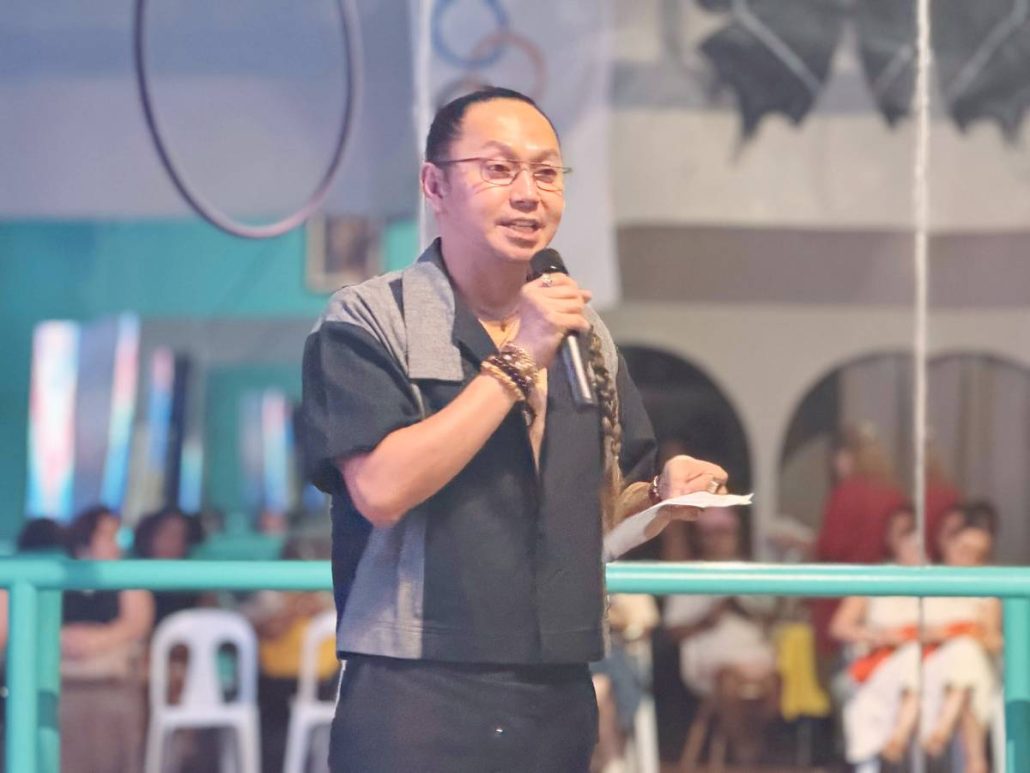
The answer came unexpectedly during his time in Australia, where he discovered a dance workshop for Parkinson’s patients. Encouraged to try, Bereber said the experience changed his life. She later trained under Dance for Parkinson’s co-founder David Leventhal, eventually bringing the advocacy home.
In 2019, he launched Bereber Sayaw PD, a program that uses dance as therapy for people living with Parkinson’s. Through guided, chair-based movements, participants work on improving mobility, balance, and coordination, while also stimulating creativity and cognitive function.
For Bereber, the mission goes beyond physical benefits.
“We want to break the misconception that nothing can be done for Parkinson’s patients,” he said. “We want them to feel that life continues — that they can still move, create, and be part of a community.”
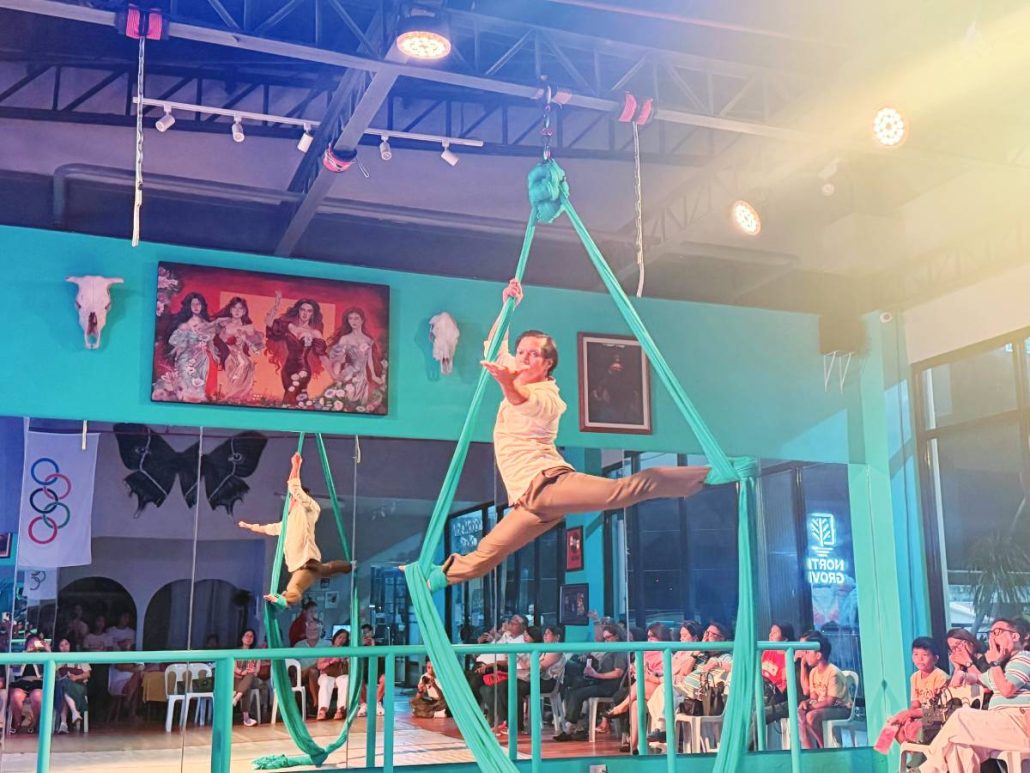
Events like “Resilience: Rhythms of Hope” aim to shift public perception by showing that people with Parkinson’s are not defined by their limitations.
“When people see what they can still do, it changes everything,” Bereber said.
While rooted in Iloilo, the program has expanded beyond the city through online classes and workshops, reaching participants across the country and even abroad. Partnerships with institutions like the Cultural Center of the Philippines and the National Commission on Culture and the Arts have helped amplify the advocacy.
Bereber believes dance can be transformative.
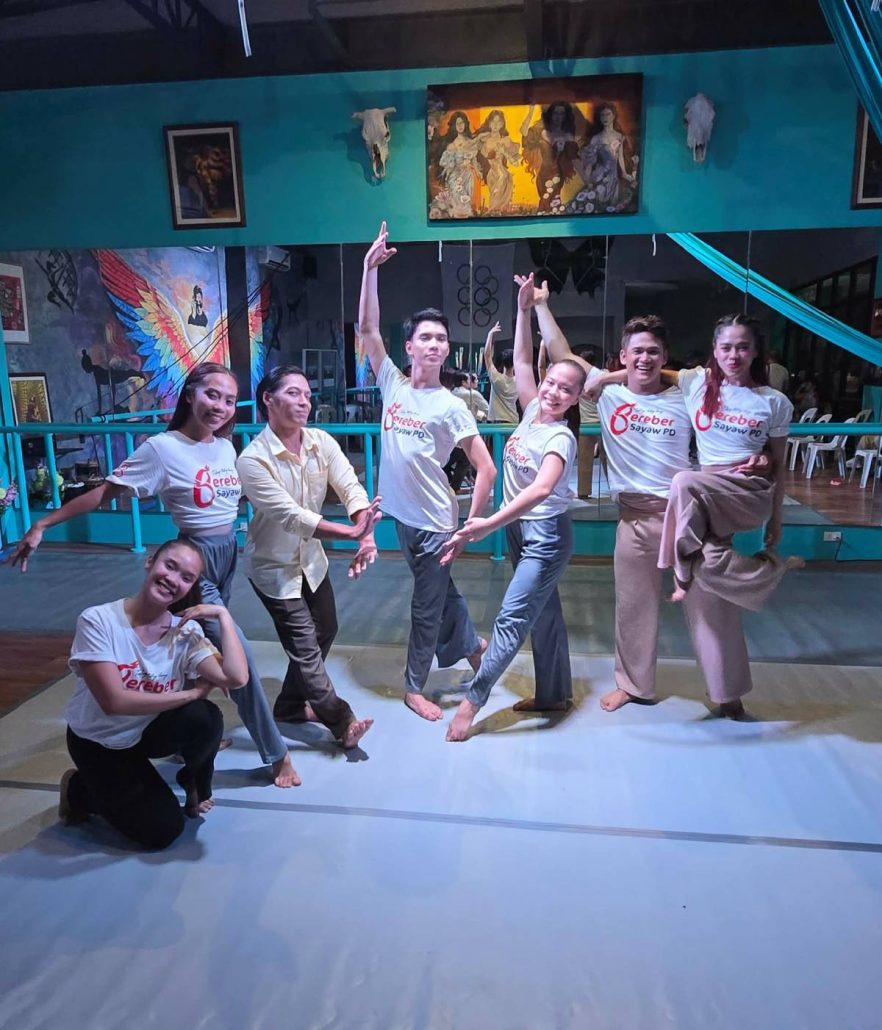
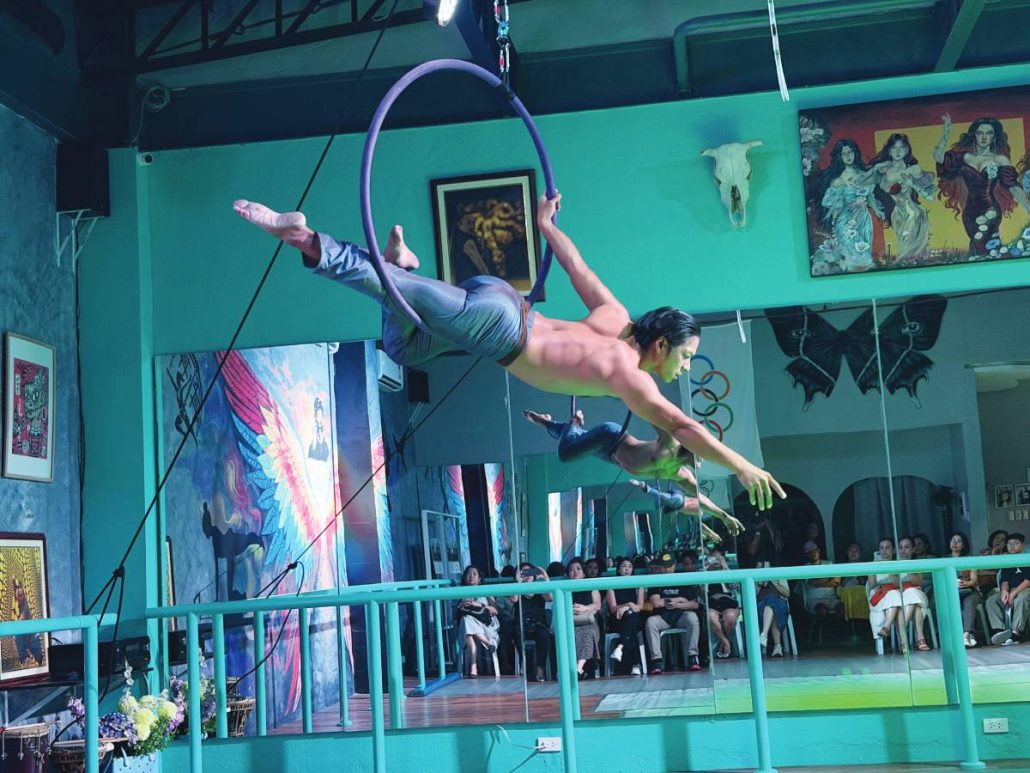
“It improves mobility and coordination, but it also boosts mood and reduces stress,” he said, adding that the sense of community plays a vital role in the well-being of participants.
Looking ahead, she hopes to expand the program nationwide and train more instructors, with a long-term vision of establishing a dedicated center for Parkinson’s patients and seniors.
“My dream is to create a space where they can gather, dance regularly, and feel they belong,” he said.
As the event came to a close, one message remained clear: Parkinson’s may change the rhythm of life, but it does not have to stop it.
Through movement, connection, and hope, a new rhythm continues to emerge — one step at a time./PN