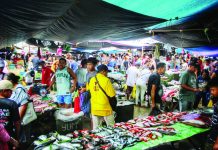



RICE, corn, vegetables, fish, poultry, and other essential food items form the backbone of daily meals in every Western Visayas household. When their prices rise sharply, it is not merely an economic issue — it becomes a social concern that directly affects nutrition, health, and household survival. That is why monitoring their prices are important.
But as necessary as price monitoring is, it addresses only one side of the problem.
The real challenge lies in ensuring that the region maintains a stable and reliable supply of food. Without adequate production and resilient supply chains, price monitoring alone cannot prevent food costs from rising. When supply tightens, prices inevitably follow.
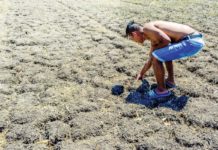
Western Visayas, particularly Panay Island, is one of the country’s important food-producing regions. Its farms supply rice, vegetables, poultry, and fisheries products not only for local consumption but also for nearby areas. Yet the region’s agricultural sector continues to face numerous pressures — from rising fuel and transport costs to climate-related disruptions that affect harvests and food distribution.
When these pressures converge, the consequences are felt first in the marketplace.
Consumers begin to notice higher prices for rice, fish, pork, and vegetables. Vendors struggle to maintain margins. Farmers themselves grapple with rising production costs. What begins as a supply challenge quickly transforms into a food affordability problem for thousands of families.
This is why the role of the Department of Agriculture must go beyond monitoring prices in markets and grocery shelves. It must also focus on strengthening local food production and ensuring that supply systems remain stable even during difficult economic conditions.
Support for farmers and fisherfolk, improvements in irrigation and logistics, and protection of agricultural lands are all essential components of food security. Investments in these areas help ensure that food remains available and reasonably priced for the public.
At the same time, authorities must remain vigilant against practices that artificially restrict supply. Hoarding, speculative trading, and price manipulation can quickly destabilize food markets, especially when supplies are already strained.
Food security is not simply about producing enough food. It is about ensuring that the food produced actually reaches the tables of ordinary families at prices they can afford.
The price monitoring initiative in Western Visayas is therefore a step in the right direction. It signals that government agencies are aware of the pressures facing consumers.
Yet the effort must also be sustained by broader policies that protect local agriculture and strengthen the region’s food supply.
Because in the end, stable food prices are not achieved through monitoring alone. They are achieved when a region can reliably produce, distribute, and protect the food that sustains its people.