



By Shy Polido
LAST time we said ‘hi’ to the most common plants our beginners could have in their favorite spaces. But can we just grow these leafy friends in any container we like?
Gardening idea: Choose a spot. Choose your pot.
Containers are made of many materials – plastic, clay, cement, ceramic, brass, or fiber-glass, stone pots, wooden ones, among others.
But what’s the best?
We need to consider these factors: cost, durability and the pros and cons of every option.
Now let’s check out these shorty-short notes in choosing the right plot for our plants, according to most gardening enthusiasts. (You may want to check Garden Tips’ vid here: youtube.com/watch?v=Q4ZFgkcQY_M)
Plastic pots
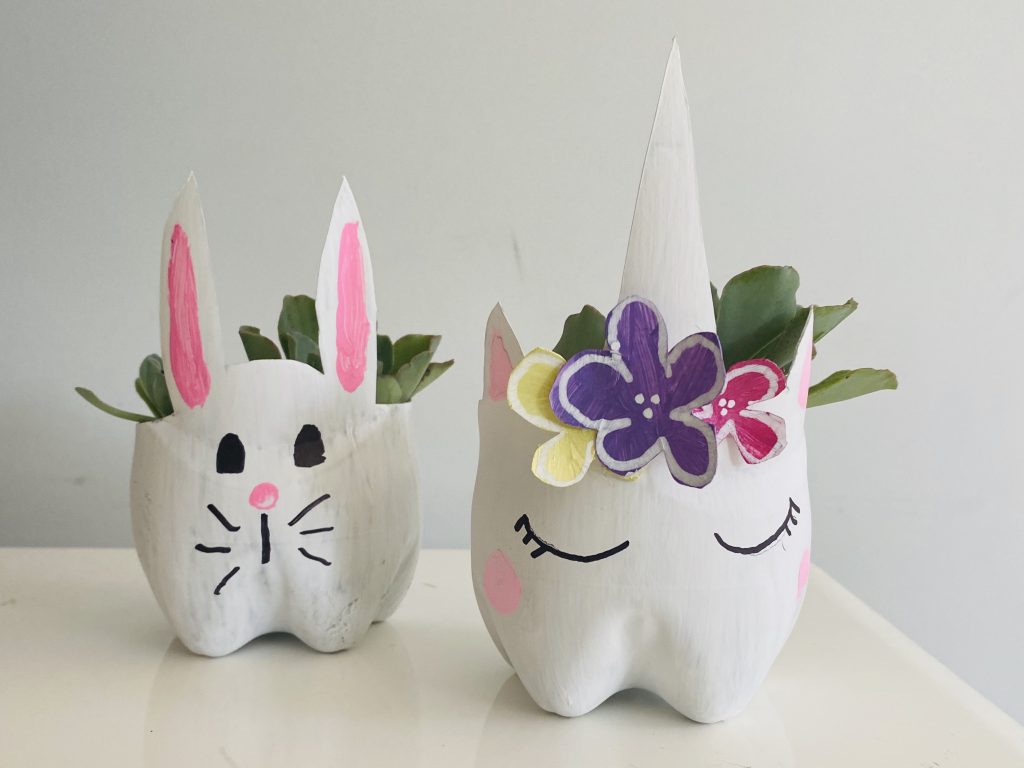
Maybe the most common container we have. It’s lightweight (yeah, easy transfer) and pocket-friendly. It also comes in many different forms and shapes. Obviously, making drainage holes below it is an easy task. Hey, it doesn’t degrade/break very quickly, and that’s what we’re happy about.
Sad thing, it heats up soon when kept in direct sunlight and the heat may kill beneficial microorganisms in the soil and burn the roots, aww. But if the sun’s not in your pal’s direction, it’s OK!
Cemented/ceramic pots
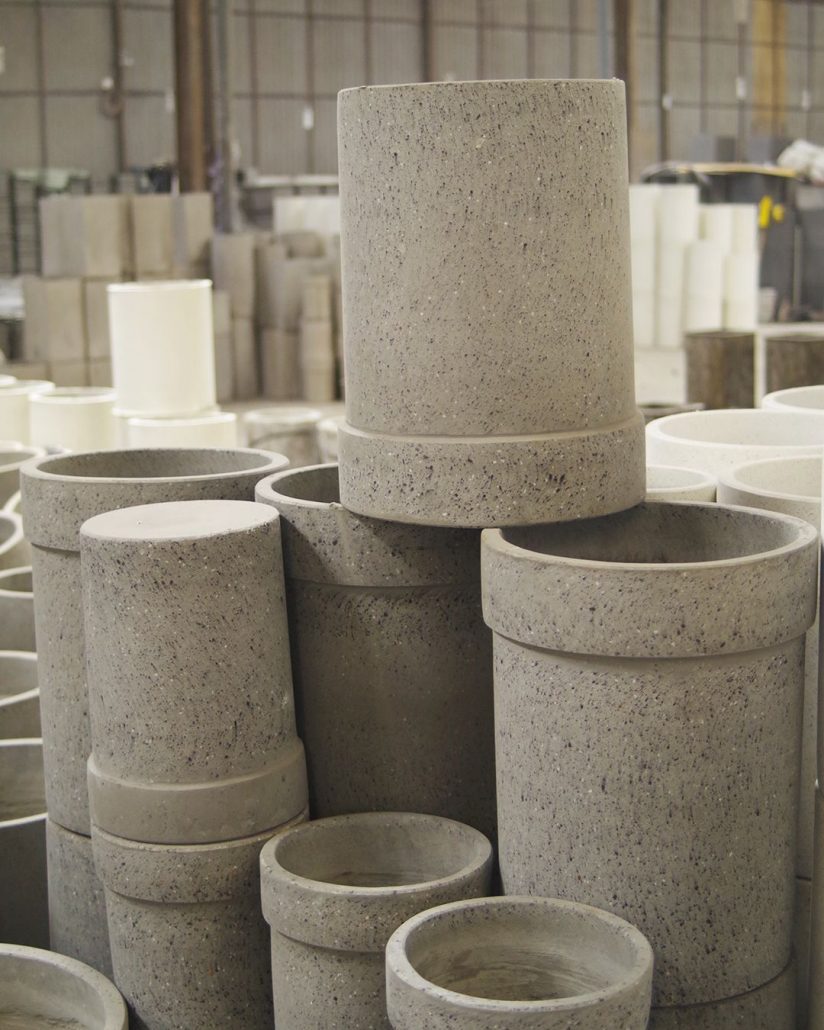
Visuals, check. It also comes in various shapes and forms adding points for appearance. It’s kind of costly but durable naman!
For cons: This type doesn’t provide lateral aeration (unlike clay pots) because it doesn’t have porosity in the walls and hence they can get heated up and produce bad results after long exposure to sunlight.
It can also affect the soil’s PH because concrete is said to be rich in lime. Joining the soil, lime can make it more alkaline which is toxic for most acid-loving plants.
Styrofoam boxes
It’s quite uncommon but they can insulate plants really well by reflecting heat. It’s also lightweight and durable. And we love to say, it’s so cheap, sometimes it’s free of cost.
The drawback is that it’s made of polystyrene material, and that’s hazardous to our plants. In addition, as time progresses, this kind of container may degrade and release toxic substances into the soil.
Stone pots
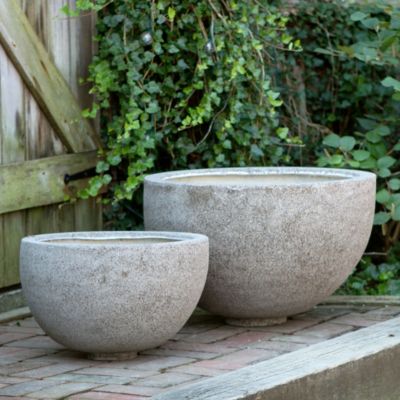
No doubt, it’s attractive. And expensive. We need to save up now! Mabigat. I meant it in a literal way, too.
Wooden containers
A lovely, good insulator! However, it could attract insects and pests, like termites. And if it’s bad in quality, it will start rotting.
Metallic pots
Whoa, the heat runs real fast. So it may be a bad friend for our heat-loving plants. Others can’t avoid rust, too. It’s unique to have this kind though.
Clay pots
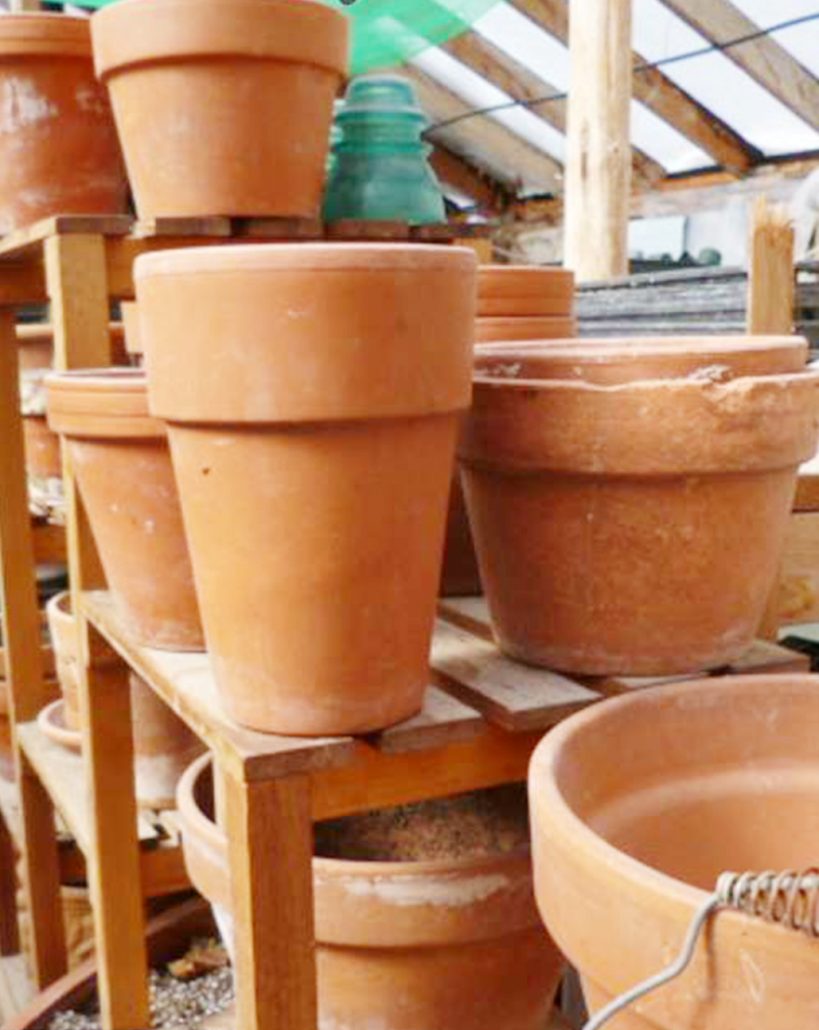
(Maybe everybody’s favorite) It’s porous and can provide the best lateral aeration. Plus points: excellent drainage from all sides. No damage issues for it can be kept in direct sunlight.
Just take care, this kind is fragile./PN