

ILOILO – The Iloilo Provincial Health Office (IPHO) has raised the alarm over the increasing number of human immunodeficiency virus (HIV) infections among young people, citing a worrying trend of early infection and high-risk behavior that has worsened in the first quarter of 2025.
From January to March this year alone, 39 individuals in this age group were diagnosed with HIV — a figure described by Dr. Rodney Labis, head of IPHO’s Health Service Delivery Division, as “alarming.” The number adds to the cumulative 264 cases in the same age bracket recorded from 2022 to March 2025.
“This sharp rise reflects an urgent public health concern. Youth are becoming more vulnerable due to risky sexual behaviors, easy access to online dating apps, and lack of proper sexual education,” Dr. Labis said.
The warning comes as the Department of Health (DOH) urges the declaration of HIV as a national public health emergency, with the number of daily HIV cases in the Philippines now reaching 57 — a staggering 500% increase, the highest growth rate in the Western Pacific region.
HIV attacks the body’s immune system, specifically the CD4 cells (T cells), which help fight off infections. If left untreated, HIV can lead to Acquired Immunodeficiency Syndrome or AIDS, the most advanced stage of HIV infection.
AIDS occurs when the body’s immune system is badly damaged, making the person vulnerable to severe infections or certain cancers.
Highest in Region 6
Based on DOH records from 1988 to March 2025, Iloilo Province has registered the highest number of HIV cases in Western Visayas with a total of 2,174 cases — accounting for 34 percent of the regional total.
Of these, 111 are newly diagnosed in the first three months of this year, with 40 cases recorded in March alone.
A total of 271 HIV-related deaths have been reported in the province since 1988, including 15 deaths from January to March 2025.
Here’s the cumulative HIV cases of the province from 2022 to March 2025:
* 2022 – 289 cases
* 2023 – 278 cases
* 2024 – 296 cases
* as of March 2025 – 111 cases
Most Affected Areas
IPHO data show that the municipalities with the highest number of cases since 1988 include Oton, Pavia, Pototan, Janiuay, Santa Barbara, Dumangas, Cabatuan, Barotac Nuevo, Miag-ao, and Lambunao.
For newly diagnosed cases in the first quarter of 2025, the top municipalities are Oton, Pototan, Dumangas, Tigbauan, and Leganes.
Younger, Riskier, and Male-Dominated Profile
Of the total HIV cases in Iloilo Province, 96 percent are male.
The most affected group is those aged 25 to 34 (49%), followed by those aged 15 to 24 (31%), and 35 to 49 (18%).
The youngest patient diagnosed was just two years old; the oldest was 67.
The primary mode of transmission is male-to-male sex, accounting for 62 percent of total cases, followed by males having sex with both males and females (23 percent).
There have also been six cases of mother-to-child transmission.
Here’s the breakdown of HIV patients by age group since 2022:
* less than 15 years old – five cases
* 15 to 24 years old – 264 cases
* 25 to 34 years old – 442 cases
* 35 to 49 years old – 188 cases
* 50 and older – 26 cases
Why Youth Are at Risk
Dr. Labis pointed to several factors fueling the surge among young people — foremost among them is unfiltered internet access.
“A single search online can expose youth to explicit content, but without comprehensive sex education, they are unable to distinguish fact from misinformation,” he explained.
The rise of casual sexual relationships among today’s generation — often involving multiple partners — and increased use of dating apps have contributed to a more permissive and risky sexual culture.
Stigma and discrimination also remain barriers.
“Many are afraid to get tested or seek treatment due to judgment from peers and even family,” Labis said. “Undiagnosed individuals may unknowingly transmit the virus to others.”
Provincial Measures and HIV Services
In response, the Iloilo provincial government, through the IPHO and Hospital Management Office (HMO), continues to strengthen the capacity of rural health units (RHUs) and district hospitals in offering HIV services, including free and confidential testing, counseling, and screening.
All 43 RHUs in the province now offer HIV testing services.
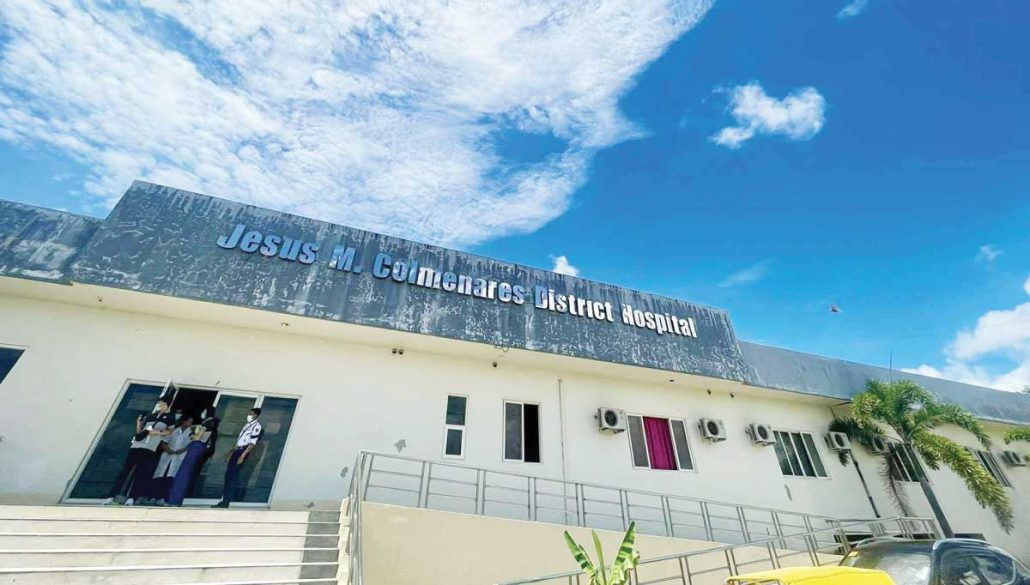
Four district hospitals have been designated as treatment hubs: Rep. Pedro G. Trono Memorial Hospital (Guimbal), Jesus M. Colmenares District Hospital (Balasan), Ramon Tabiana Memorial District Hospital (Cabatuan), and Iloilo Provincial Hospital (Pototan).
The province also partners with private organizations to expand HIV awareness campaigns and mobile testing activities in communities.
HIV education is also integrated into other public health initiatives such as the Adolescent Health Program, Tuberculosis Program, and Maternal Health Program.
What is HIV and How Is It Spread?
HIV weakens the immune system by attacking white blood cells, making individuals more vulnerable to infections and diseases. It is most commonly spread through unprotected sexual intercourse, particularly anal sex, and can also be transmitted through needle-sharing and from mother to child during childbirth.
While there is currently no cure for HIV, it can be controlled with proper medical care, particularly antiretroviral therapy (ART), allowing people with HIV to live long, healthy lives and reduce the risk of transmission.
Call to Action
Dr. Labis urged particularly young men who engage in sex with other men to get tested.
“Knowing your HIV status is essential. Testing is free, confidential, and accessible at your nearest RHU or treatment hub. Early detection can save lives,” he said./PN