


ILOILO – Confronted with widening gaps in testing, treatment, and viral suppression, Iloilo now faces what provincial health authorities warn is a rapidly intensifying HIV problem — one driven largely by undiagnosed infections among young people and the province’s failure to meet national response targets.
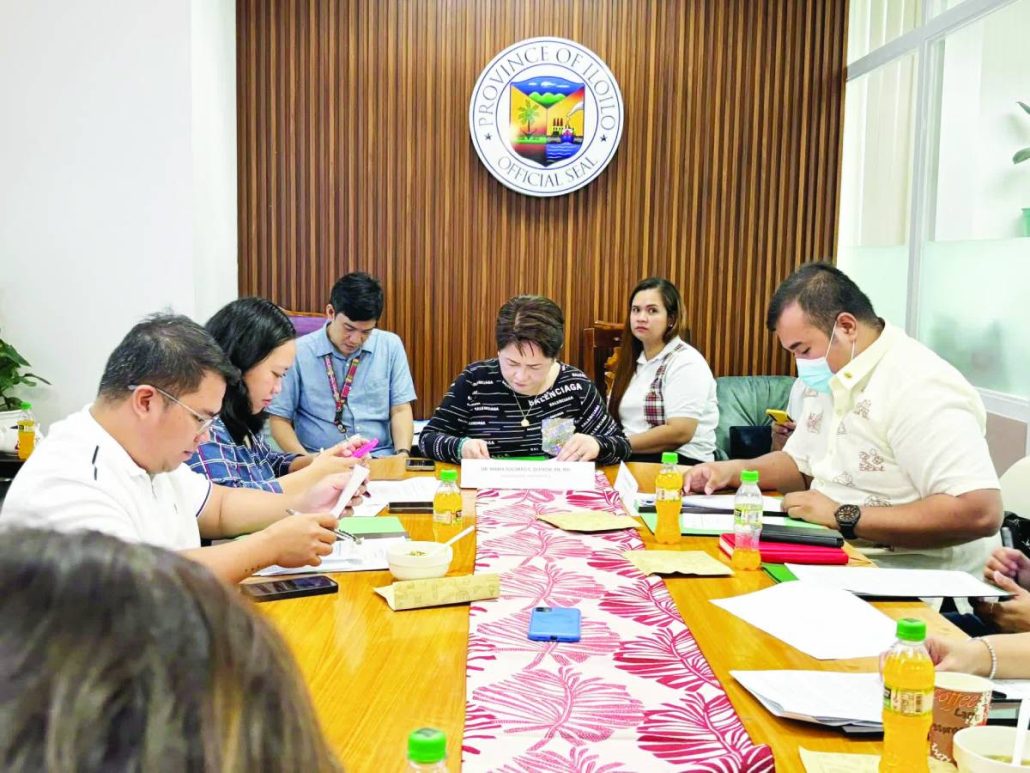
During a meeting on Tuesday, the Iloilo Provincial Local AIDS Council raised red flags over the province’s inability to reach the UNAIDS-backed 95–95–95 benchmarks from 2022 to 2025, prompting calls for an aggressive overhaul of current strategies.
According to the Provincial Health Office (PHO), an estimated 4,800 individuals were living with HIV in Iloilo as of June 2025, but only 1,988 knew their status — a diagnosis rate of just 41%, far from the 95% goal.
Of those diagnosed, only 1,583 are receiving treatment (80%), and only 1,065 have achieved viral suppression (67%).
What HIV and AIDS are – and how they spread
HIV (Human Immunodeficiency Virus) is a virus that attacks the body’s immune system, weakening its ability to fight infections.
Without treatment, HIV can progress to AIDS (Acquired Immunodeficiency Syndrome), the most advanced stage of the disease, where the immune system is severely damaged and life-threatening infections or cancers can occur.
HIV is mainly acquired through unprotected sexual contact, sharing of contaminated needles or syringes, and from mother to child during pregnancy, birth, or breastfeeding. It is not spread by casual contact such as hugging, sharing utensils, or mosquito bites.
The virus can be avoided by using condoms correctly and consistently, not sharing needles, getting tested regularly, and, for those at higher risk, taking PrEP (pre-exposure prophylaxis) and staying on treatment if already diagnosed, which also helps prevent transmission.
Modern treatment allows people with HIV to live long, healthy lives and drastically reduces the risk of passing the virus on — but this depends on early diagnosis and consistent medication.
Youth at the center of concern
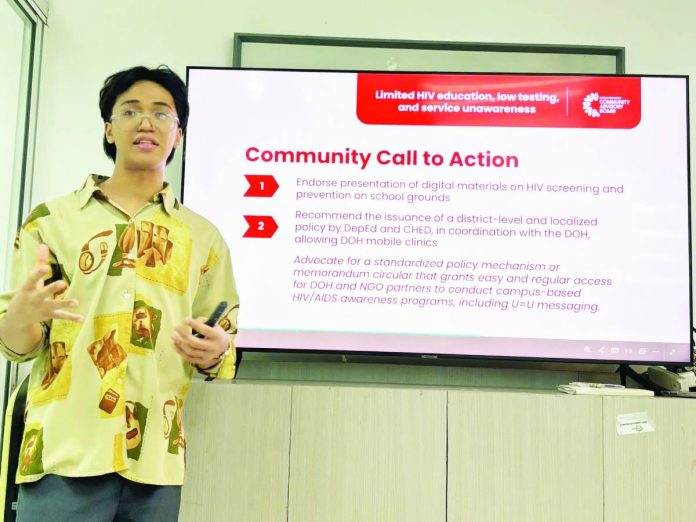
One of the council’s biggest concerns: low testing rates among young Ilonggos aged 15 to 24 — a trend attributed to stigma, limited information, and lack of youth-friendly testing centers.
The Department of Health (DOH) Region 6 reported that 31% of people living with HIV in the region are youth, while a striking 97% of all PLHIV are male.
The majority, 67%, are in the working-age population.
Call for stronger education and stigma reduction
Provincial Health Officer Dr. Maria Socorro Quiñon said addressing the crisis begins with correcting misconceptions and normalizing HIV testing.
“Education is paramount. We must address the misconceptions surrounding HIV, dismantle stigma, and encourage voluntary testing. Our youth must understand the importance of knowing their status and accessing the right preventative measures,” Quiñon said.
She noted that prevention efforts must be intensified across communities, particularly those with high-risk demographics.
PrEP push: A proven but underutilized tool
The council also highlighted PrEP (pre-exposure prophylaxis) as a vital intervention, capable of reducing HIV risk by up to 98% when taken consistently.
Dr. Quiñon urged high-risk individuals to consider PrEP and maintain routine testing as part of responsible sexual health.
Province expands access points for testing and treatment
To widen access, the Iloilo Provincial Government has set up multiple HIV clinics across the province, including:
* RISE Clinic – Rep. Pedro G. Trono Memorial Hospital (Guimbal)
* SHINE Clinic – Aleosan District Hospital (Alimodian)
* PINK Clinic – Janiuay Rural Health Unit
* CARE Clinic – Concepcion Rural Health Unit
* JUST Clinic – Jesus M. Colmenares Memorial District Hospital (Balasan)
* MOCHA Clinic – Calinog Rural Health Unit
* I HEART Clinic – Ramon Tabiana Memorial District Hospital (Cabatuan)
* IWAG Clinic – Iloilo Provincial Hospital (Pototan)
Additional free HIV testing and PrEP access points include: Gorgeous Beauty and Wellness Center in Janiuay: Pavia RHU; Merry Mart Building (across from Oton RHU); Concepcion Care Clinic; and Highway Inn Pension House in Calinog.
Council urges Ilonggos to get tested
The Provincial Local AIDS Council is now appealing to the public — especially young people — to undergo HIV testing.
“Together, we can combat this epidemic through awareness, education, and community support. Let us break the stigma, embrace prevention, and ensure everyone has the opportunity to live without fear of HIV,” said Quiñon./PN