


“WHAT do you want to be when you grow up?”
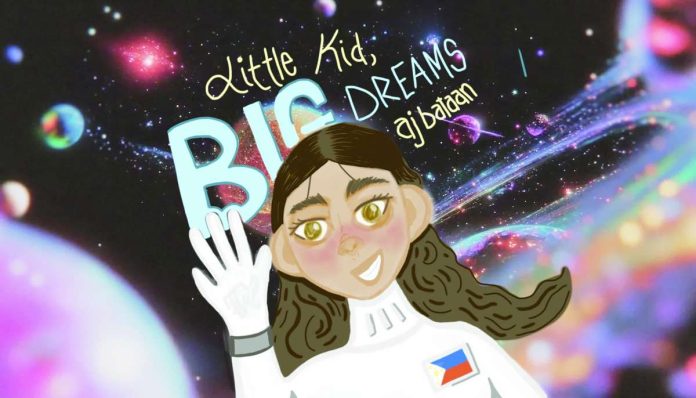
I wanted to be an astronaut.
I wanted to see the stars and gaze at the Earth from above. I wanted to float in a gravity-free spaceship and eat the dehydrated food I saw in YouTube videos. I knew which astronauts went on which expeditions, and I knew the stories of the animals sent to space by heart, tearing up at their fates.
But by second grade, I gave up on that dream. It was too expensive and impractical. I woke up to the harsh reality that there weren’t many opportunities for aeronautics in the Philippines, and if there were—they cost an arm and a leg
So, I was asked again, “What do you want to be when you grow up?”
I wanted to be an actress and a singer.
I wanted to be on stage and shape my emotions into words that could move people. I knew I had the potential, but also I knew it wasn’t what society deemed “practical.”
So, I told them I wanted to be a doctor.
I would like to be one, I think. I like the feeling of being called the title, I like helping people, and I knew that it was what the world deemed honorable. But, a lingering feeling told me it wasn’t what my heart truly wanted.
In the Philippines, many teenagers and young adults go through the cycle of finding their passion, only for it to be shadowed by necessity. Many of us who find our talents in creating art, writing stories, traveling the world, and dreaming big find ourselves belittled by our financial and social circumstances in life.
On social media, many Filipinos share their stories about choosing practicality over passion. It may be because of money, tradition, pressure, or lack of opportunities to find stable jobs. The reasons vary, but the statement stays the same: “I gave up on what I wanted because it wasn’t realistic.”
But can we imagine what society would be like if these opportunities were given fairly? If creative and unique jobs were appreciated? If we stopped having a mindset that prioritizes certain jobs over others? It would give our country more visibility in the world market. More jobs would be given to those whose capabilities can’t be measured by numbers, but by creative brilliance.
It’s definitely a long shot, but if people would lend an ear to the younger generation, it isn’t impossible. There are so many ways we can turn passion into something practical, like establishing agencies that promote unique careers, educating people on how balancing logic and creativity benefits our country, and creating conventions and opportunities for teenagers and young adults to suggest ways to eliminate the stigma of “job hierarchies.”
Most importantly, this solution must be practical. If there is a spark of potential, we must fuel the flame. A Palarong Pambansa winner could become the next Olympic champion and return to train the next generation of athletes. A teenager who goes viral for video editing on TikTok could be tapped to promote the country’s travel spots on social media. A physics genius at school, with the right support, could create groundbreaking research on aerospace.
The possibilities are vast as the stars. We can reach them, but only if we lift each other up.
Doctors save lives. Engineers prevent structural failures. Lawyers build cases of defense. But it is the writers who create the books that heal the scar when a patient dies, when a project crumbles, or when a case becomes too traumatic to handle.
A society needs balance to keep going, dreams to keep soaring.
Practicality and passion go hand-in-hand, and this generation has a chance to make it work.
After all, no matter how old we get, every choice we make still belongs to that little kid with big dreams./PN