


PHOTOS BY NELJOY N. GALIGAO
FOR HISTORY enthusiasts, art lovers, and curious travelers, stepping into a place where the past comes alive is both a dream and an adventure.
In Iloilo City, that dream became reality as a “magic portal” to the past opened its doors, offering visitors a rare opportunity to experience the city’s rich heritage through the Living Heritage Museum Tour: Commonwealth Era.
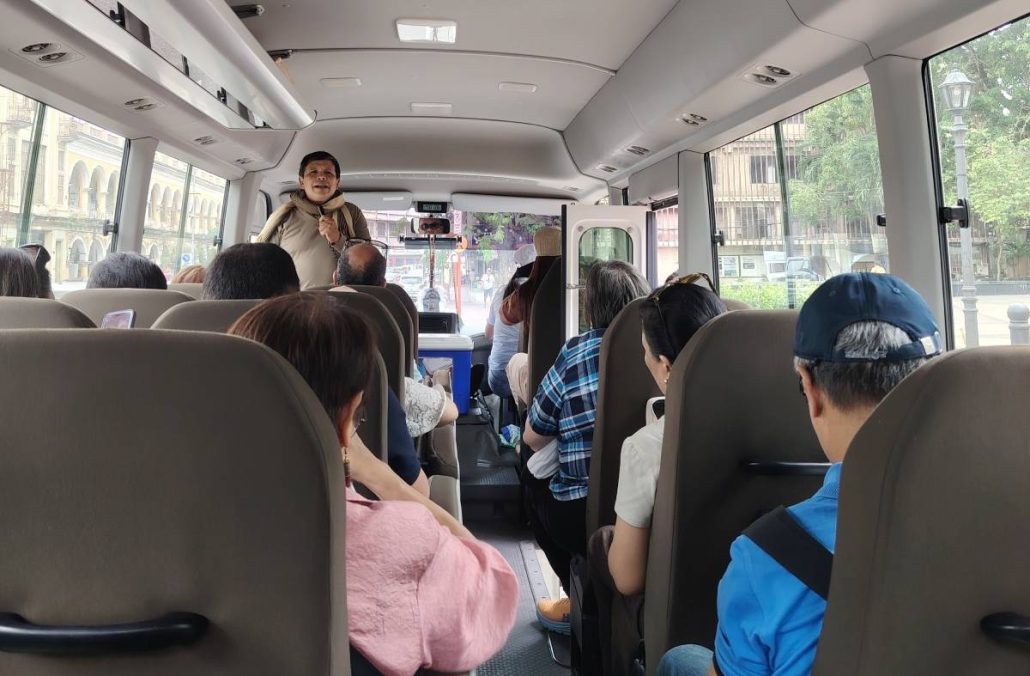
The immersive tour takes guests on a captivating journey through time, allowing them to explore the stories, architecture, and culture that shaped Iloilo during the American Commonwealth period.
More than a sightseeing activity, the experience transforms history into a living narrative. Visitors are not merely observers but participants in a carefully crafted historical journey that blends education, entertainment, and cultural appreciation.
Against the backdrop of beautifully preserved heritage structures, guests are transported to an era when grand mansions, elegant social clubs, and thriving communities reflected the prosperity and resilience of Iloilo City.
Accompanied by knowledgeable guides and storytellers, participants discover the people, events, and traditions that defined one of the city’s most significant periods.
A journey through history
The tour features a carefully curated itinerary highlighting some of Iloilo City’s most important Commonwealth-era landmarks.
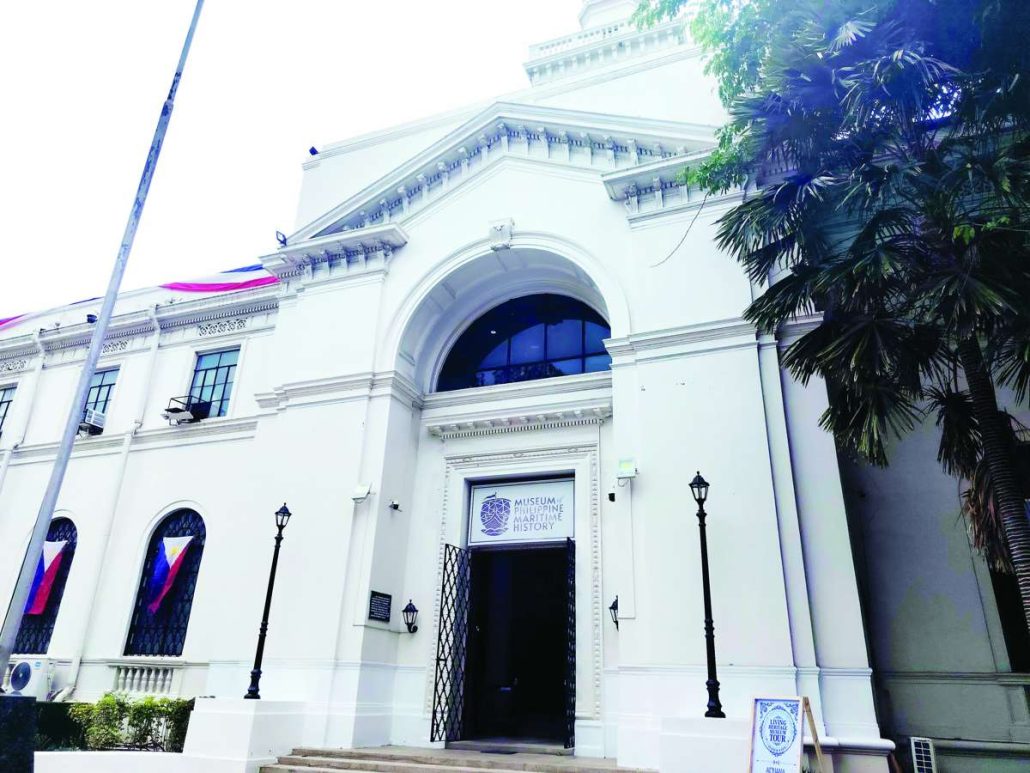
Among the first stops is the Aduana Building, home to the Museum of Philippine Maritime History. Originally constructed as a Customs House, the structure was meticulously restored and now stands as a symbol of Iloilo’s rich maritime legacy.
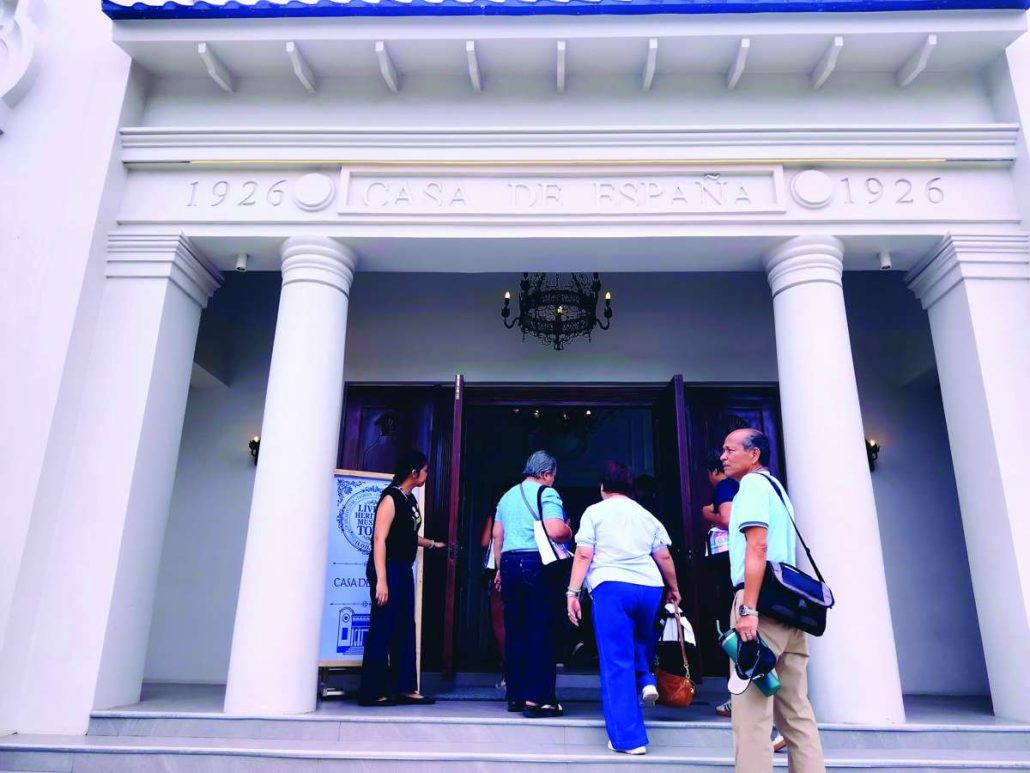
Visitors also explore Casa de España, built in 1926 as an exclusive social club for Spaniards and prominent Ilonggos. Despite sustaining damage during World War II, the iconic neoclassical structure has endured through the decades. Recent restoration efforts have preserved its historic character while adapting it for contemporary use.
Another highlight is the Lizares Mansion, a grand residence recognized as an Important Cultural Property by the National Museum. The mansion remains a testament to the architectural elegance and cultural heritage of the Filipino people.
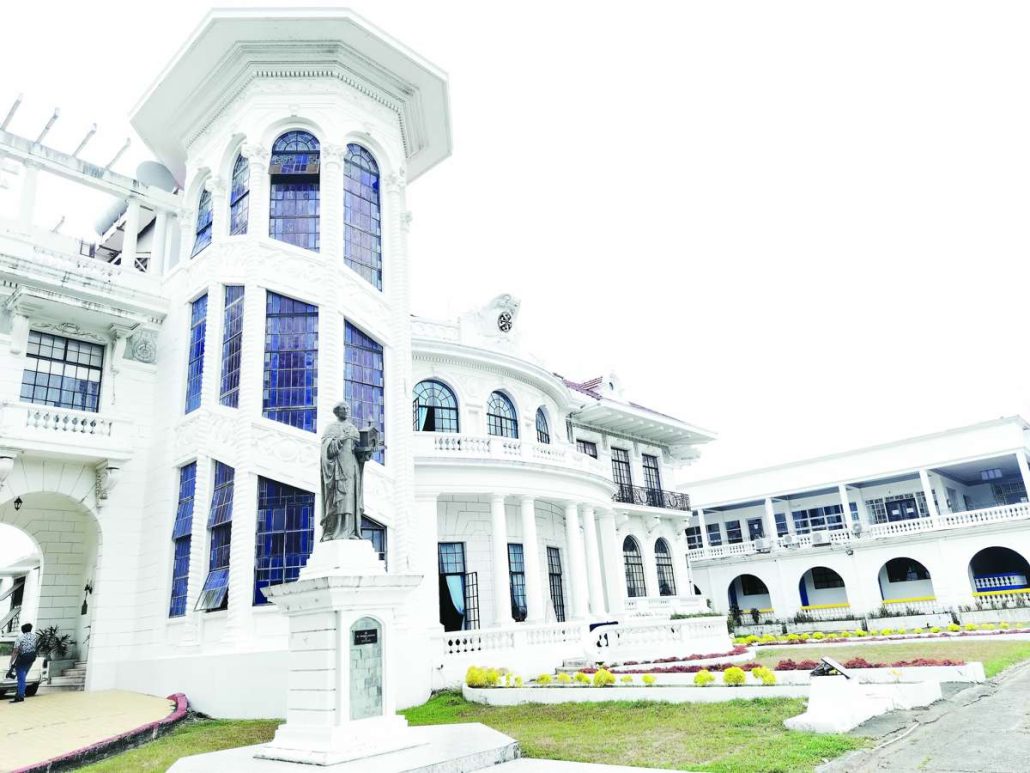
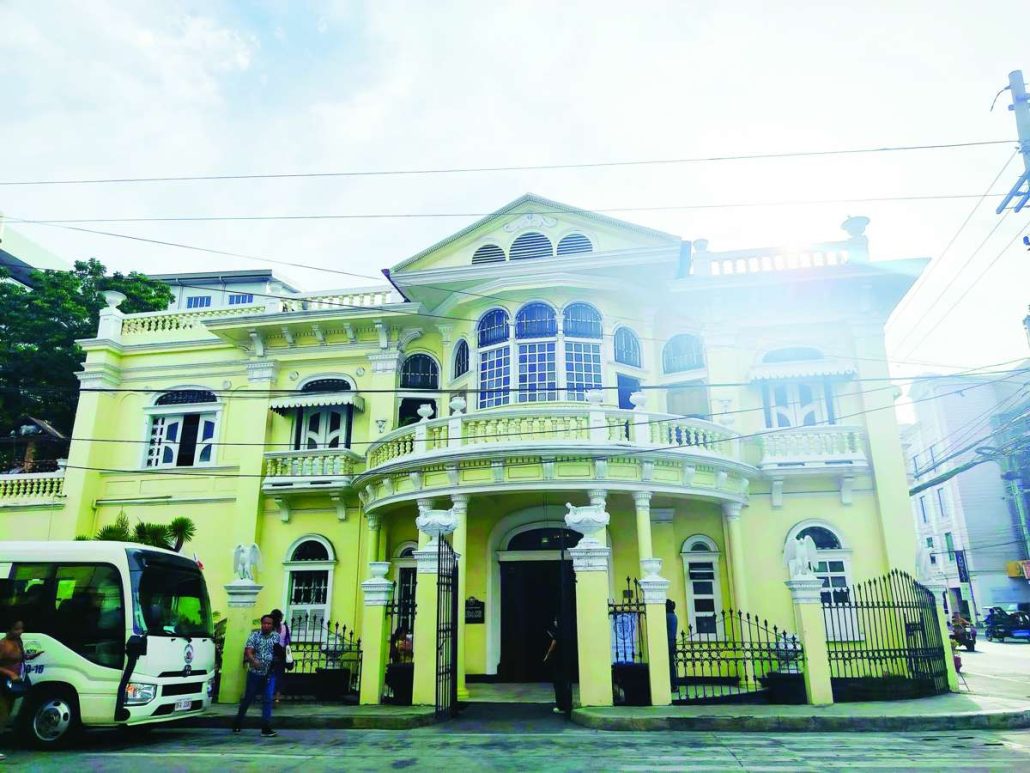
The tour also includes the Celso V. Ledesma House, an ancestral home built in 1922 that reflects the prosperity of the sugar industry during the early 20th century. Recognized by the National Historical Commission of the Philippines, the house features eclectic architectural elements, intricate stained-glass windows, antique furnishings by Gonzalo Puyat, murals by Vicente de San Miguel, and a distinctive horseshoe-shaped dining table. While long associated with the Beaux-Arts style, the residence is now often described as Mannerist for its blend of classical and decorative influences.
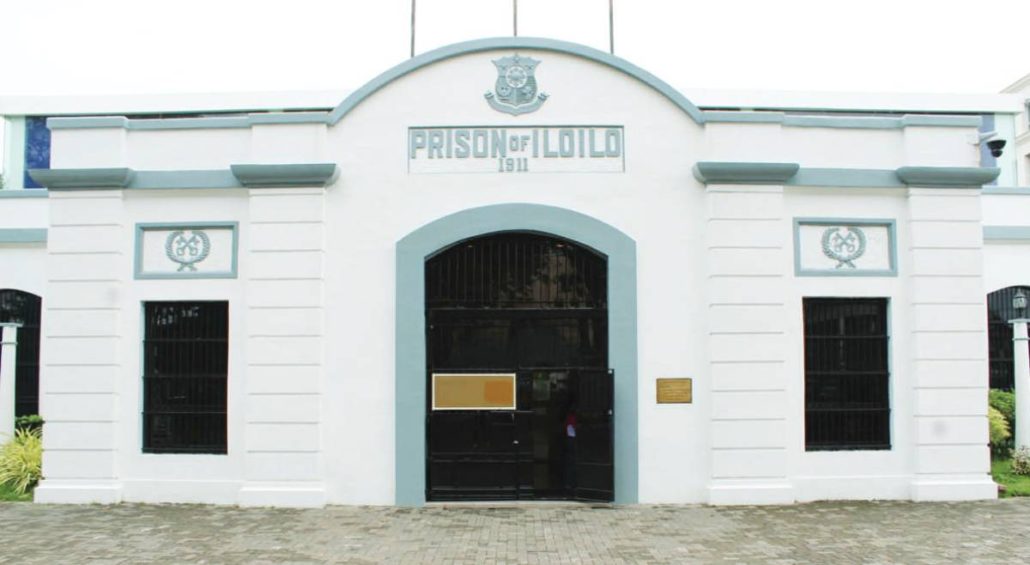
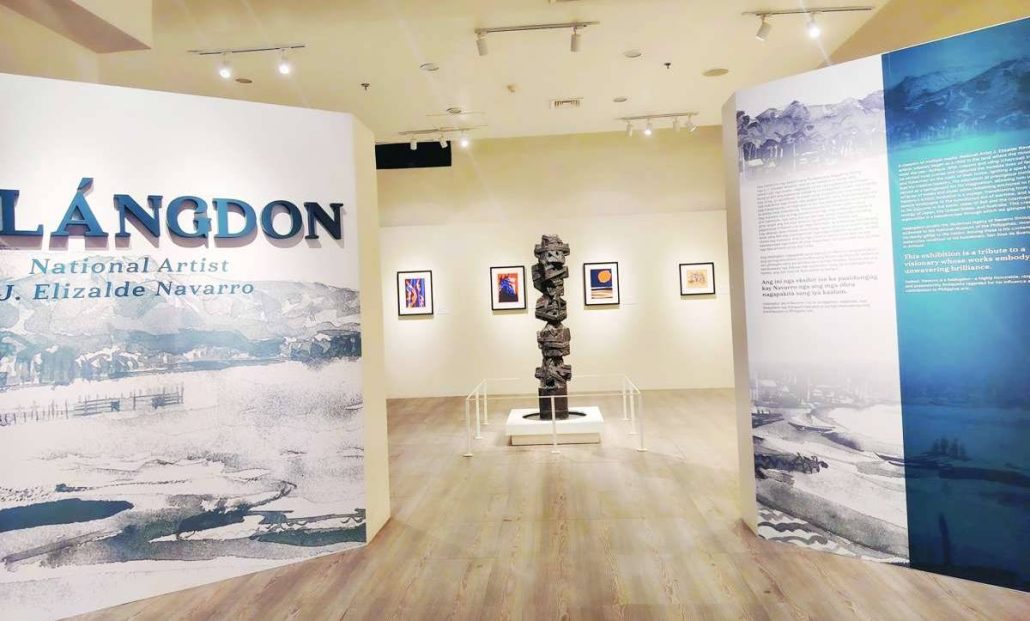
Participants likewise visit the National Museum of the Philippines–Iloilo, housed in the former Iloilo Provincial Jail. The adaptive reuse of the historic structure demonstrates how heritage buildings can be preserved while serving new cultural and educational purposes.
More than a museum tour
The Living Heritage Museum Tour offers more than visual and historical discoveries.
Guests are treated to curated lunch and dinner experiences accompanied by theatrical performances inspired by stories from the Commonwealth era. Through music, drama, and storytelling, talented Ilonggo performers bring to life the romance, aspirations, and everyday experiences of people who lived during a period of social and political transformation.
The performances add depth and emotion to the journey, allowing visitors to connect with history in a meaningful and memorable way.
Preserving heritage through tourism
The Living Heritage Museum Tour is spearheaded by the Iloilo City MICE (Meetings, Incentives, Conferences, and Exhibitions) Alliance as part of ongoing efforts to promote cultural heritage, tourism, and historical preservation.
By showcasing the city’s architectural treasures and historical narratives, the initiative encourages a deeper appreciation of Iloilo’s identity while helping preserve its cultural legacy for future generations.
Whether one is a history buff, architecture enthusiast, or traveler seeking a unique experience, the tour offers a fascinating journey through time—one that sparks curiosity and leaves a lasting impression long after the final stop./PN