



GOOD oral hygiene is often reduced to a quick morning brush.
Dentists say otherwise: the routine is far from enough.
Behind every bright smile is a daily practice that protects not only teeth and gums but overall health—a connection researchers continue to strengthen.
As more studies highlight links between oral bacteria and conditions such as heart disease, diabetes, and even Alzheimer’s, dentists are urging the public to rethink how seriously they take oral care.
At its core, oral hygiene means keeping the mouth free from disease-causing plaque, a sticky film of bacteria that forms on teeth throughout the day. Left untouched, plaque hardens into tartar and leads to tooth decay and gum disease, two of the most common chronic health issues worldwide.
According to global health surveys, untreated dental problems affect billions, despite being largely preventable through simple, consistent habits.
Dentists emphasize brushing teeth twice a day with fluoride toothpaste as the foundation. Fluoride strengthens enamel, making it more resistant to acid attacks from food and bacteria.
Technique matters: brushing should last at least two minutes, covering all surfaces of the teeth and along the gumline where plaque collects. “Most people brush far too quickly,” many hygienists note, adding that rushing can leave behind harmful buildup that leads to cavities and bleeding gums.
Flossing, often the most neglected step, plays an equally vital role. Toothbrushes cannot reach the tight spaces between teeth where food particles and bacteria hide.
Daily flossing disrupts this buildup, preventing inflammation and gum disease. Dental professionals say that consistent flossing can mean the difference between a healthy mouth and early-stage gum disease, which, if untreated, can lead to tooth loss.
Beyond brushing and flossing, routine dental checkups are essential. Dentists recommend visiting at least twice a year for cleanings and examinations.
These visits allow professionals to remove tartar that cannot be cleaned at home and to identify early signs of cavities, gum disease, or oral cancer.
Early intervention is key—problems caught early are easier, quicker, and cheaper to treat.
Diet also plays a large role in oral health. Sugary foods and acidic drinks feed the bacteria that cause cavities. Nutrition experts advise limiting frequent snacking and choosing water over soda or juice.
Foods rich in calcium and vitamins—such as dairy, leafy greens, and lean proteins—help keep teeth strong. Even habits like chewing sugar-free gum can stimulate saliva, the mouth’s natural defense system against decay.
Importantly, oral hygiene is not only about physical health; it impacts social confidence and quality of life. Persistent bad breath, stained teeth, or dental pain can affect everything from relationships to job interviews.
Children with dental problems often struggle in school, while adults may avoid social settings due to embarrassment. Maintaining a clean, healthy mouth can boost both comfort and confidence.
Oral hygiene is simple in theory but requires daily commitment. As research continues to show the mouth’s profound connection to overall wellness, the message from dental experts is clear: caring for your teeth is caring for your entire body.
A few extra minutes each day may be one of the most powerful investments you can make in long-term health.
***
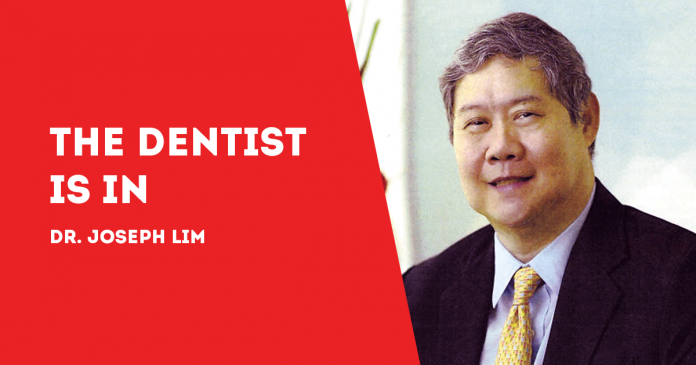
Dr. Joseph D. Lim, Ed. D., is the former Associate Dean of the College of Dentistry, University of the East; former Dean, College of Dentistry, National University; Past President and Honorary Fellow of the Asian Oral Implant Academy; Honorary Fellow of the Japan College of Oral Implantologists; Honorary Life Member of the Thai Association of Dental Implantology; and Founding Chairman of the Philippine College of Oral Implantologists. For questions on dental health, e-mail jdlim2008@gmail.com or text 0917-8591515.
***
Dr. Kenneth Lester Lim, BS-MMG, DDM, MSc-OI, graduated Doctor of Dental Medicine, University of the Philippines, College of Dentistry, Manila, 2011; Bachelor of Science in Marketing Management, De la Salle University, Manila, 2002; and Master of Science (MSc.) in Oral Implantology, Goethe University, Frankfurt, Germany, 2019. He is an Associate Professor; Fellow, International Congress of Oral Implantologists; and Fellow, Philippine College of Oral Implantologists. For questions on dental health, e-mail limdentalcenter@gmail.com/PN