[av_one_full first min_height=” vertical_alignment=” space=” custom_margin=” margin=’0px’ padding=’0px’ border=” border_color=” radius=’0px’ background_color=” src=” background_position=’top left’ background_repeat=’no-repeat’ animation=”]
[av_heading tag=’h3′ padding=’10’ heading=’‘Panay rural workers more committed post-Yolanda’’ color=” style=’blockquote modern-quote’ custom_font=” size=” subheading_active=’subheading_below’ subheading_size=’15’ custom_class=”][/av_heading]
[av_textblock size=” font_color=” color=”]
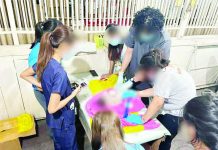
ROXAS City – Rural workers and micro-entrepreneurs from Capiz and Iloilo provinces recently gathered to show the products they worked on after surviving super typhoon “Yolanda” in November 2013.
“Pagtililipon,” a local term for “gathering,” showed that farmers and fisherfolk, among others, have become more committed and resilient, according to a nongovernment organization (NGO) officer.
“Three years after ‘Yolanda,’ farmers and fishers were able to emerge from the devastation,” said Karen Tuason, Panay Island team leader for the HEKS Swiss Church Aid and the Task Force Mapalad.
But Tuason acknowledged that they “are not yet strong enough to weather the other ‘storms’ in their lives,” including poverty, threats to land rights and unstable sources of livelihood.
Rural workers and micro-entrepreneurs from 26 barangays in Capiz and Iloilo, and representatives from local government units, government and nongovernment organizations joined the gathering.
Among the products featured at Pagtililipon were shell crafts, seafood, rice cakes, driftwood figurines, root crops, smoked fish, and pickled papaya.
“The event was also a venue to listen to their stories of triumph and the struggles they are still facing,” said Tuason.
She said the participants also called on the Duterte administration to perform their mandate to promote social justice, create sustainable economic opportunities and improve access to markets, especially for marginalized and disaster-vulnerable sectors.
“Through a road show, the services, technologies and programs the government agencies, NGOs and educational institutions offer to farmers and fishers, such as postharvest facilities, technical trainings, block farming, subsidized crop insurances, and value-added food processing, were also given emphasis,” Tuason said. (PIA/PN)
[/av_textblock]
[/av_one_full]