

ILOILO City – Around 50 farmers and 28 weavers in Iloilo have been benefiting from the science and technology intervention from the Department of Science and Technology (DOST) in Western Visayas.
“The weaving industry in Miag-ao town and Iloilo as a whole has given women an opportunity (for) livelihood, especially for those who can’t find any (job). Up to now, the hablon-making industry of Iloilo continues to thrive as the demand for hablon products continues to rise both in local and international markets,” said DOST Region 6 director Rowen Gelonga.
The natural and blended fibers have a limited supply, but with the DOST-supported Regional Yarn Production and Innovation Center (RYPIC) in Miag-ao, about 132,000 kilograms of yarns can be produced per year.
“It is expected that hablon made with natural blended fibers have higher value and high demand both in local and global markets compared with those made with synthetic yarn,” Gelonga said.
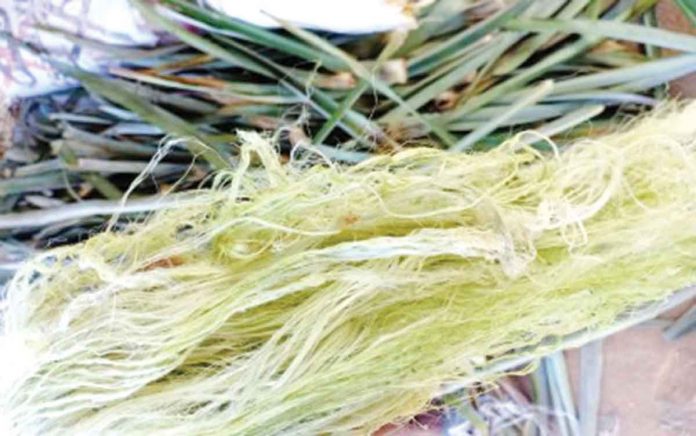
To further address the demand, as well as provide additional income for pineapple farmers and the weavers, DOST spent P571,500 on two pineapple decorticating machines, which were turned over to the town of Lemery and Passi City last month.
Decorticating machines are used to strip fresh pineapple leaves, which are considered farm waste, into fibers.
Gelonga noted that this has provided the farmers with extra income since they process the leaves into fibers. The price of decorticated pineapple leaves or fiber ranges from P50 to P400 per kilo.
Aside from making spun yarn made from natural and locally-produced fibers, DOST’s intervention has also provided livelihood to women in the community.
“Barangay Baraclayan is one of the communities in Miag-ao where handloom weaving activity is the secondary source of income among residents. At present, Baraclayan Weavers Association has a total of 28 female members,” Gelonga said. (PNA/PN)