

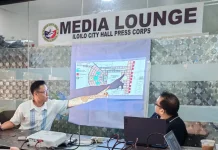


Why Don’t We Have Them Regularly?
In the Philippines, our engagement with politicians usually ends after Election Day. The last time most people see their congressman is when he’s handing out T-shirts or shaking hands at a rally. After that — nothing.
What if we changed that? What if we required all elected officials — national or local — to hold at least one monthly town hall meeting?
Imagine if every congressman had to stand before his district every month and answer questions about what he did in Congress, what bills he sponsored, and what committees he joined.
Would that not make our democracy more alive? Would that not make the government more accountable?
It doesn’t even have to be costly. Town halls can be held in barangay gyms or online platforms. They can be moderated by civil society groups or local schools. What matters is not the format — it’s the habit of listening and responding.
How LGUs Can Lead
In fact, local government units (LGUs) can start the trend. Town hall meetings can validate community-based plans for health, disaster preparedness, and local infrastructure. They can be used to explain budgets, gather feedback, or prepare communities for upcoming projects.
Barangays can also hold their own “mini town halls” to discuss safety, mobility, or social welfare issues. These small but consistent conversations can bridge the widening gap between citizens and government.
My Take
Participatory governance is not just a theory — it’s a practice. And that practice begins with listening.
We already have freedom of speech. What we lack is freedom to be heard.
If our leaders truly believe in democracy, they should not fear questions from the people — they should welcome them. Because silence in governance is not golden; it’s dangerous.
So perhaps it’s time we demand that our congressmen, governors, and mayors report to us — not every three years during elections, but every month in a town hall.
Because democracy isn’t a performance — it’s a conversation./PN