


FOR PEOPLE who have lost all of their natural teeth, the first step is understanding that edentulism does not mean the end of a healthy and active life.
Modern dentistry offers several ways to restore the ability to eat, speak and smile, while protecting the health of the mouth.
The most important action is to see a dentist or prosthodontist for a comprehensive evaluation. Even when no natural teeth remain, the gums, jawbone, tongue and other oral tissues still require regular examination.
Dentists can determine the condition of the mouth and recommend the most appropriate replacement option.
The traditional solution is complete dentures. These removable appliances replace an entire upper or lower set of teeth and are generally less expensive than implant-based treatments.
Properly fitted dentures can significantly improve chewing, speech and appearance. However, new denture wearers may need time to adjust, and dentures may require periodic adjustment as the shape of the gums and underlying bone changes.
Another option is implant-supported dentures. Dental implants are surgically placed into the jawbone and provide anchors for a removable or fixed dental prosthesis. Because implants can provide greater stability than conventional dentures, patients may find it easier to chew and speak. However, implant treatment involves surgery, adequate bone support and a higher financial cost, and not everyone is an appropriate candidate.
For some patients, bone loss may be an important consideration. After teeth are removed, the jawbone gradually loses the stimulation normally provided by tooth roots. Over time, this can change the shape of the jaw and affect denture fit. A dentist can evaluate bone levels and discuss treatments when necessary.
People with dentures should also maintain good oral hygiene. Dentures should be cleaned regularly to remove food debris and plaque. The gums, tongue and palate should also be gently cleaned. Dentures generally should not be worn continuously; removing them at night can give oral tissues a chance to rest, unless a dental professional advises otherwise.
Nutrition deserves particular attention. People adjusting to dentures may initially find hard or sticky foods difficult to eat. Soft, nutritious foods can make the transition easier. As comfort and chewing ability improve, a broader range of foods can gradually be introduced.
Dentures are not permanent, maintenance-free appliances. They can become loose, worn or damaged and may need adjustment, repair or replacement. Continuing dental visits is therefore important even after complete tooth loss.
There is also an emotional dimension to edentulism. Losing natural teeth can affect confidence, social interaction and willingness to eat with others. These concerns should not be dismissed. Properly fitted dental replacements and supportive counseling can help people regain confidence and adapt to changes.
Most importantly, edentulism should not be ignored. Persistent sores, swelling, bleeding, unexplained pain or difficulty wearing dentures should be evaluated promptly.
Complete tooth loss represents a major change, but it is manageable. With professional evaluation, appropriate tooth replacement, good oral hygiene, proper nutrition and continuing dental care, people with edentulism can regain much of the function and confidence they may have lost with their natural teeth.
***
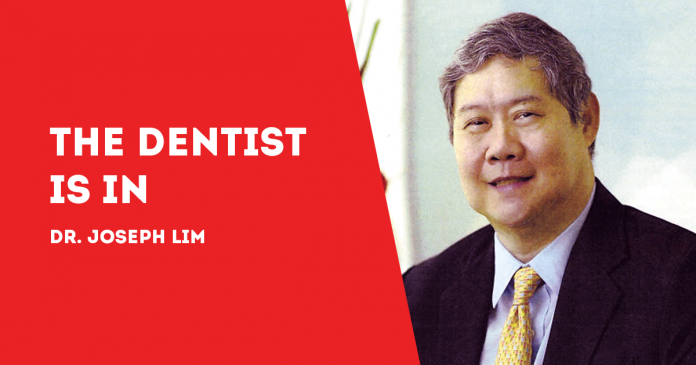
Dr. Joseph D. Lim, Ed. D., is the former Associate Dean of the College of Dentistry, University of the East; former Dean, College of Dentistry, National University; Past President and Honorary Fellow of the Asian Oral Implant Academy; Honorary Fellow of the Japan College of Oral Implantologists; Honorary Life Member of the Thai Association of Dental Implantology; and Founding Chairman of the Philippine College of Oral Implantologists. For questions on dental health, e-mail jdlim2008@gmail.com or text 0917-8591515.
***
Dr. Kenneth Lester Lim, BS-MMG, DDM, MSc-OI, graduated Doctor of Dental Medicine, University of the Philippines, College of Dentistry, Manila, 2011; Bachelor of Science in Marketing Management, De la Salle University, Manila, 2002; and Master of Science (MSc.) in Oral Implantology, Goethe University, Frankfurt, Germany, 2019. He is an Associate Professor; Fellow, International Congress of Oral Implantologists; and Fellow, Philippine College of Oral Implantologists. For questions on dental health, e-mail limdentalcenter@gmail.com./PN