


[av_one_full first min_height=” vertical_alignment=” space=” custom_margin=” margin=’0px’ padding=’0px’ border=” border_color=” radius=’0px’ background_color=” src=” background_position=’top left’ background_repeat=’no-repeat’ animation=”]
[av_heading heading=’WV eyed as major player in growing cacao industry ‘ tag=’h3′ style=’blockquote modern-quote’ size=’30’ subheading_active=’subheading_below’ subheading_size=’15’ padding=’10’ color=” custom_font=”]
By Rhick Lars Vladimer Albay
[/av_heading]
[av_textblock size=’18’ font_color=” color=”]
ILOILO City – “We look forward to this opportunity,” said Department and Trade and Industry (DTI) Region 6 director Rebecca Rascon on the outlook of Western Visayas as a potential industry leader in cacao production during the CacaoLink Visayas confab on Oct. 5 at the Royal Garden Hall in Iloilo City.
“Pero ang opportunity magapabilin dira kung hindi natun pag–iseize. Ara sa atun ang resource and potential, the challenge is how we will be using the resource for our growth,” the Trade official furthered, highlighting the efforts of DTI and the Department of Agriculture to shape a comprehensive Philippine Cacao Industry Roadmap.
According to data from the UP Visayas – GIZ (Gesundheits Informations Zentrum) program, Panay has a total of 252 farms currently cultivating cacao, with a total of 197,718 cacao trees in the entire Panay Island. Iloilo Province leads with the most number of cacao trees at 125, followed by Antique (53), Aklan (48), and Capiz (26).
Among those bullish on the prospects of Western Visayas as fertile ground for the cacao industry is Philippine Cacao Industry Council chairman Valente Turtur, a major producer of cacao in Davao region.
“Nakita ko ang malaking potential ng Panay Island. Na-ikot ko na din kase ang region, and nakita ko na ang cacao dito maganda ang tubo,” Turtur told reporters at the sidelines of the CacaoLink conference. “Malaki ang potential agricultural area ng Panay, at marami pang areas na hindi na taniman. Alam naming masipag ang mga Ilonggo farmers, maraming pumupunta pa sa Mindanao looking for land to cultivate, when nandito naman pala ang may maraming potential farm lands,” he added.
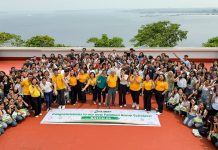
Some 400 participants joined the event, including input providers, nursery operators, cacao traders, exporters, processors, and even financing institutions for a business-to-business (B2B) encounter for those interested to explore the opportunities that the cacao industry offers.
“DTI is promoting for greater consumer awareness and consumption and with that the local demand will also grow,” explained Turtur. “In Davao, we started with 5 or 6 processors, now we have over 200 chocolate processors in the Davao region. We can also develop that here in Iloilo.”
The Cacao Industry Council chairman estimates that the Philippines requires 50 thousand metric tons of cacao every year, but production is stalled at 12 thousand metric tons annually, leading to the need to rely heavily on imports from Malaysia and Indonesia./PN
[/av_textblock]
[/av_one_full]