

BACOLOD City — The Bacolod City Government on Wednesday afternoon confirmed its first four cases of African Swine Fever (ASF), prompting authorities to intensify containment and surveillance measures to prevent the highly contagious disease from spreading to other parts of the city.
City Veterinarian Dr. Maria Agueda Trinidad F. Dela Torre said four pigs tested positive for ASF following laboratory examinations conducted by the Department of Agriculture–Western Visayas.
Mayor Greg Gasataya said blood samples were collected from pigs on Monday and sent to the Department of Agriculture laboratory in Iloilo City. The city received the official laboratory results on Wednesday, July 1, confirming the presence of the virus.
Assistant City Veterinarian Janine Sarthou said the confirmed cases involved four live pigs—two from Barangay Taculing and two from Barangay Alijis.
The samples were collected from both symptomatic and asymptomatic animals as part of the City Veterinary Office’s (CVO) disease surveillance program.
Sarthou said the CVO no longer collected samples from pigs that had already died, including eight hogs in Barangay Taculing and three in Barangay Alijis, because laboratory confirmation had already been obtained from live animals in the affected areas.
Under the city’s containment protocol, all pigs exhibiting ASF symptoms within a 500-meter radius of confirmed cases will be depopulated in accordance with national animal health guidelines.
Owners of asymptomatic pigs within the same control zone will be consulted before any action is taken, with veterinary personnel providing recommendations based on disease risk assessment.
The CVO will also conduct random testing in the affected barangays to determine whether the virus has spread beyond the initial infection sites while intensifying surveillance and monitoring activities.
The confirmation came just days after Mayor Gasataya issued Executive Order No. 046, Series of 2026, or the City African Swine Fever Prevention and Containment Order of 2026, which tightened measures to protect Bacolod’s hog industry.
The order prohibits the entry of live pigs, pork, pork products, and swine by-products originating from areas with confirmed ASF cases. It also strengthens disease surveillance, movement control, quarantine, and biosecurity measures.
The directive covers all stakeholders in the swine industry, including commercial and backyard hog raisers, traders, transporters, slaughterhouses, meat establishments, and livestock markets operating within the city.
Shipments of live pigs and pork products entering, leaving, or passing through Bacolod must be accompanied by the required Veterinary Health Certificate, Shipping Permit, Meat Inspection Certificate, and other documents required by the Bureau of Animal Industry and the City Veterinary Office.
To enforce the order, quarantine checkpoints have been established at strategic entry and exit points to inspect all swine and pork shipments.
The city has also reactivated its Bantay ASF sa Barangay (BABAY ASF) program to strengthen community-based disease monitoring, encourage the early reporting of suspected cases, and improve detection efforts at the barangay level.
Commercial and backyard hog raisers have likewise been directed to adopt stricter biosecurity measures, including the mandatory 30-day quarantine of newly acquired or returning pigs before they are introduced into existing herds.
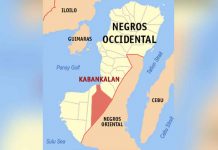
The city’s first confirmed ASF cases come as Negros Occidental faces a resurgence of the disease.
Gov. Eugenio Jose Lacson said the province is reimplementing the same disease-control measures that previously helped contain ASF after the local hog industry had nearly recovered to pre-outbreak production levels.
“We have overcome ASF before and had almost returned to our previous production levels. Unfortunately, the disease has resurfaced, so we have to implement the same protocols again,” Lacson said.
He urged hog raisers to strictly observe biosecurity measures, particularly regular farm disinfection and cautious herd repopulation, to reduce the risk of further infections.
As of June 25, the Provincial Veterinary Office reported that ASF had caused the deaths of 1,902 hogs in 12 local government units across Negros Occidental. Despite the losses, authorities said the affected animals account for only 3.27 percent of the province’s total hog population./PN