
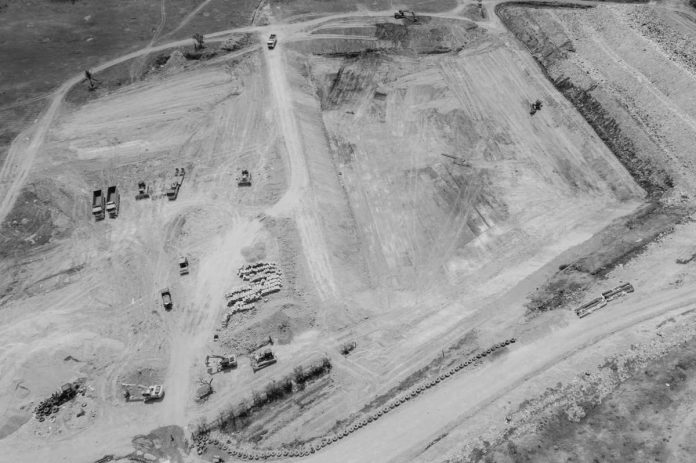
BACOLOD City — The Bacolod City sanitary landfill in Barangay Felisa has earned national recognition, with the Department of Environment and Natural Resources–Environmental Management Bureau (DENR-EMB) hailing it as a model facility for solid waste management across the Philippines.
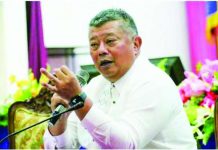
Officer-in-Charge Regional Director Vicente Losbañes of the EMB commended the Bacolod landfill for consistently implementing best practices that meet—and even exceed—environmental standards.
“The city’s sanitary landfill is considered a model not only in the Negros Island Region but nationwide,” Losbañes said, citing its systematic operations such as proper soil covering, slope stabilization, benching, leachate treatment and recirculation, regular monitoring, and seasonal gas emission testing.
These measures, he emphasized, are strictly enforced and reflect Bacolod’s strong commitment to sustainable waste management.
Mayor Greg Gasataya welcomed the recognition, attributing the achievement to the collective efforts of city departments and stakeholders.
“This milestone is the result of everyone doing their part to ensure compliance with environmental laws,” Gasataya said, expressing gratitude to the EMB for acknowledging the city’s efforts.
Established in 2010, the landfill is equipped with complete operational components and can handle up to 900 metric tons of waste per day. It remains the only landfill in the region operating under a public-private partnership (PPP) scheme—a model that has helped sustain its efficiency and modernization.
Currently, Cell No. 4 of the facility is nearing peak capacity. While it was initially projected to be filled by February 2026, strategic engineering interventions have extended its lifespan, allowing continued operations until the completion of Cell No. 5.
Atty. Allyn Luv Dignadice, head of the Bacolod Environment and Natural Resources Office (BENRO), underscored that maintaining the landfill’s performance goes beyond infrastructure.
“This is the result of collaboration across multiple offices—not just BENRO—ensuring strict compliance with environmental guidelines,” Dignadice said.
She highlighted the crucial roles played by the City Engineer’s Office, Office of the Building Official, and the City Planning and Development Office in managing the facility with diligence and foresight.
Beyond extending the landfill’s operational life, the city is intensifying efforts to reduce residual waste. Dignadice urged residents to practice proper waste segregation at the source and support recycling initiatives aimed at diverting waste away from the landfill.
“We are strengthening programs that promote recycling and sustainability. Our goal is to significantly reduce—if not eliminate—the volume of waste that ends up in the landfill,” she said.
The EMB has also encouraged the city to further enhance waste diversion strategies as part of a long-term vision toward a more sustainable, potentially zero-waste future.
With national recognition reinforcing its efforts, Bacolod City remains steadfast in delivering safe, efficient, and environmentally sound waste management services—setting a benchmark for other local government units to follow./PN