


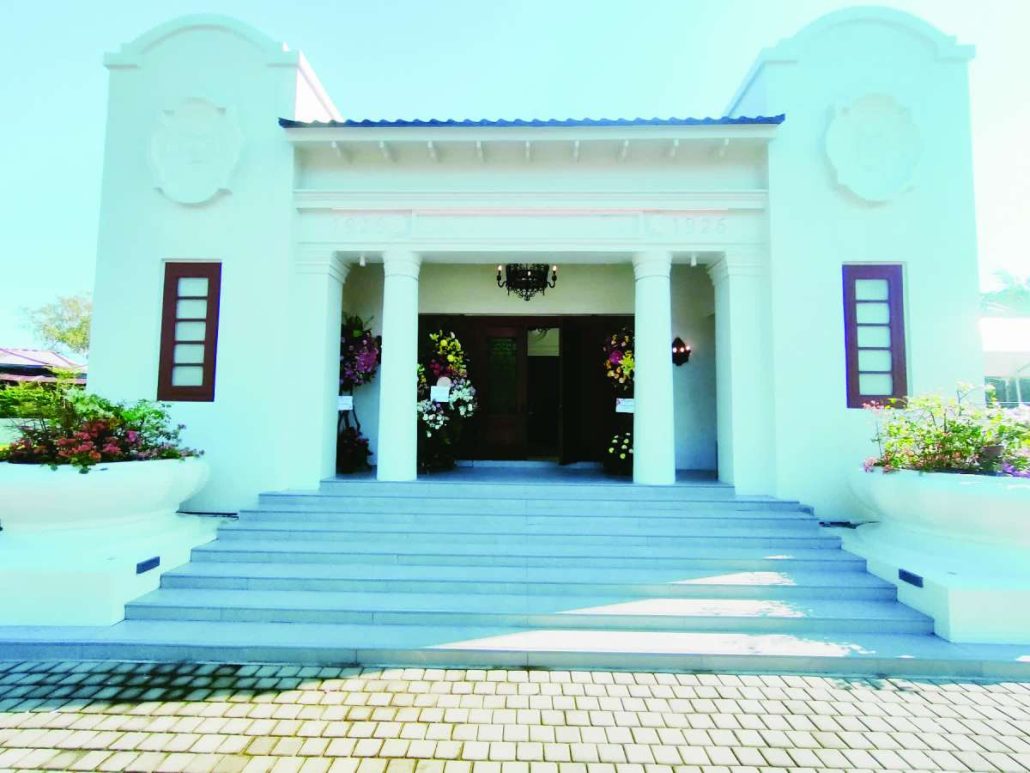
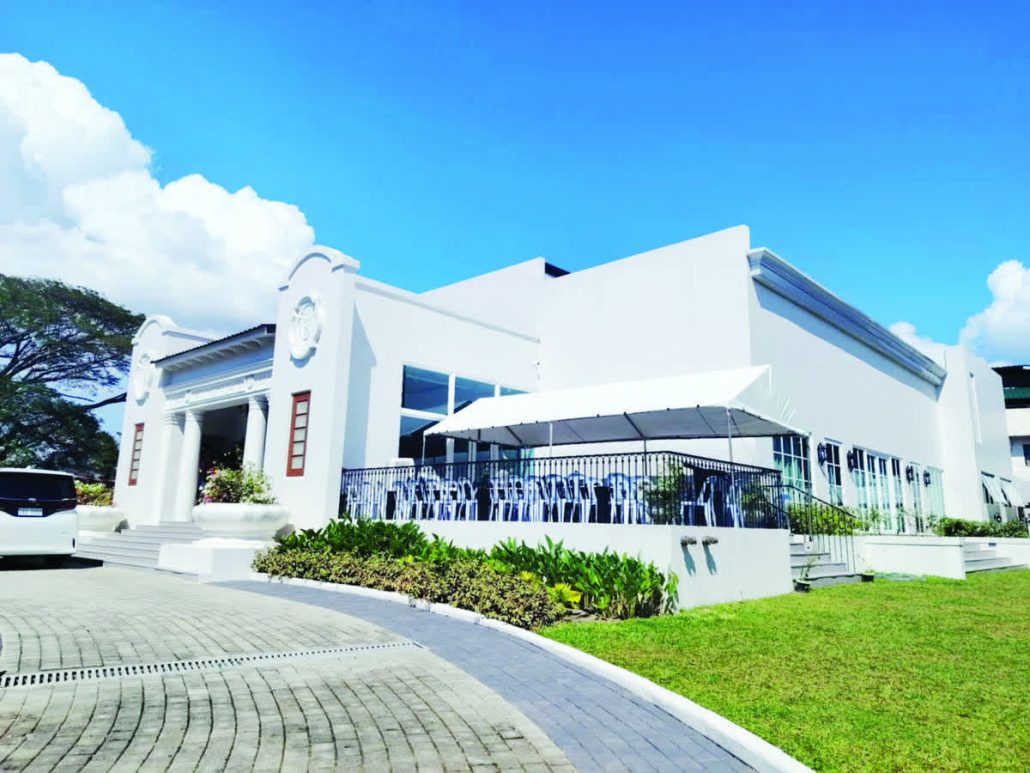
ILOILO City – Nearly a century after it first rose as a symbol of elite social life in the 1920s, the historic Casa de España has been reborn — restored and reopened as a cultural landmark that city leaders say will strengthen Iloilo’s identity and heritage preservation efforts.
The restored structure, unveiled on Nov. 27 in Sto. Rosario-Duran, City Proper, signals what officials and advocates described as a renewed, long-overdue commitment to protecting Iloilo’s architectural and cultural patrimony — an issue long overshadowed by rapid urban development.
Originally built in 1926 as the prestigious “Casino Español,” the Casa de España once served as a gathering place for prominent Spanish and Filipino families.
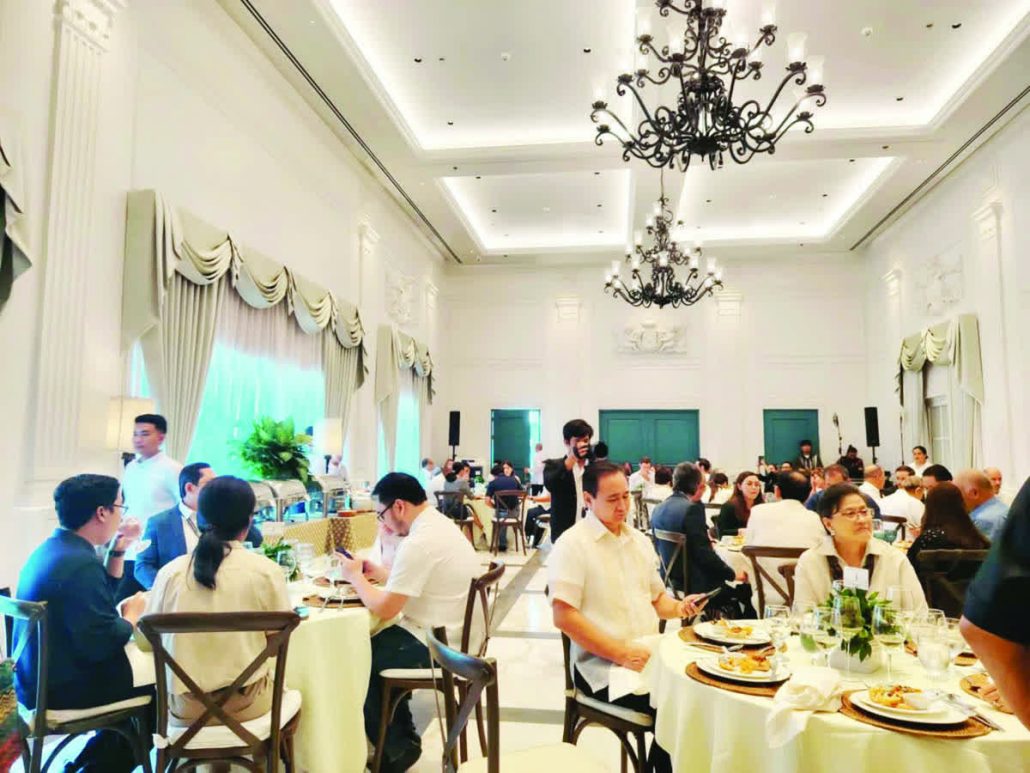
Designed by architect Tomas Mapua and constructed by American builder H. O’Leary, the elite clubhouse was a cornerstone of Iloilo’s social and cultural life. For decades, however, the building deteriorated, raising concerns among heritage advocates.
The extensive restoration — led by A. Chan Realty & Development Inc. under the Chan family — has now transformed it into a cultural and community hub while retaining key historical elements meticulously safeguarded by the Iloilo City Cultural Heritage Conservation Council.
Teresa Chan, daughter of owner Antonio “Tony” Chan, shared her father’s remarkable journey from a young Chinese migrant to the man who would later own one of Iloilo’s most storied structures.
“Who would have thought that this young boy would go on to buy Casa de España?” Teresa said, recalling how her father arrived in Iloilo from Xiamen and worked as a kargador at Fort San Pedro before rising in the sugar trade.
“My father and mother, Florence, had many cherished memories here, attending parties and events in their youth,” she added.
The restored Casa de España now features a museum showcasing artifacts from the 1920s — including old Spanish newspapers, coins, and objects unearthed during the renovation — providing visitors with a glimpse into Iloilo’s cosmopolitan past.
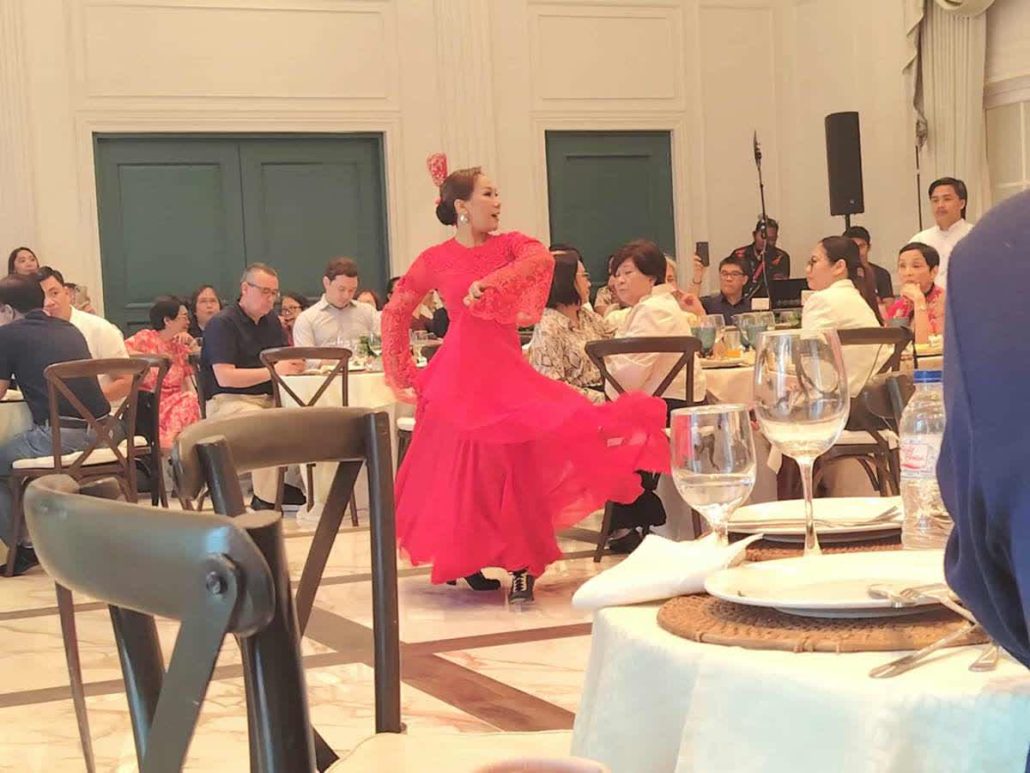
Outside, new gardens and a flexible function hall position the venue as a prime site for weddings, cultural events, and community gatherings, giving the century-old landmark a modern role in contemporary Ilonggo life.
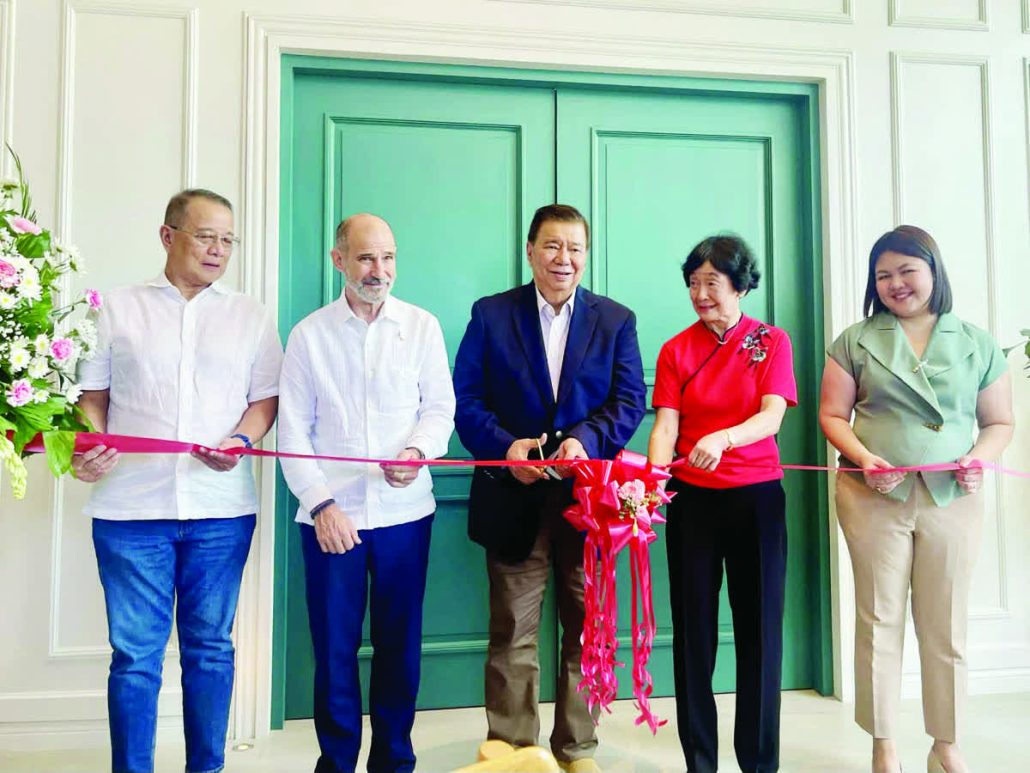
The reopening was attended by Mayor Raisa Treñas-Chu, local officials, heritage advocates, and community leaders.
Chan acknowledged former mayor Jerry Treñas — author of a heritage bill protecting historic structures — and Mayor Raisa for supporting local heritage and businesses.
She also thanked the Doran family for donating the original Casa de España chandeliers and Architect Albacete for architectural restorations.
“It is our goal that Casa de España becomes a place where people can gather and continue the meaningful traditions of life,” Chan said.
With its doors open once again, the Casa de España adds to Iloilo City’s growing movement to honor its past while shaping its cultural future — a living bridge linking generations through memory, heritage, and community./PN
(caption for Casa de España 1 and 2)
NELJOY GALIGAO/PN
Originally built in 1926 as the prestigious “Casino Español,” the Casa de España once served as a gathering place for prominent Spanish and Filipino families.
(caption for Casa de España3)
NELJOY GALIGAO/PN
Former Senate President Franklin Drilon leads the ribbon-cutting ceremony to formally open Casa de España to the public. With him are Casa de España owner Teresa Chan, Mayor Raisa Treñas of Iloilo City, and Iloilo Provincial Administrator Raul Banias.
(caption for Casa de España4)
A bailaora (dancer) performs the flamenco, a popular Spanish dance.
(caption for Casa de España5)
Casa de España aims becomes a place where people can gather and continue the meaningful traditions of Ilonggo life.