


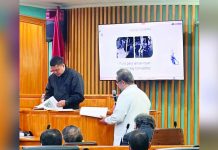

I STILL feel the heat and buzz of that WVSU hall when the Quezon team walked in — Kuya Bodjie cracking jokes, Jericho Rosales talking about stepping into a life larger than legend. I hosted the pre-launching program with hundreds of students and educators, a good old campus moment where curiosity meets craft. We had Luna in our bones and Goyo somewhere between admiration and ache. None of us knew the third film would barge into our dinner debates. On opening day in Iloilo, watching with my daughter, I could not stand right away when the credits rolled. The film felt like a hand on my shoulder that also nudges you forward — “Look again.” So I did: at the movie, at the history beneath it, and at a country that keeps repeating scenes with a new cast.
What Quezon gets right is how power performs. Director Jerrold Tarog stitches silent-film vignettes, propaganda reels, and campaign shorts into the story like mirrors turned at different angles. It is not a gimmick. It is a reminder that statesmanship, in the age of mass media, is theater with consequences. The camera falls in love with charisma; the edit decides truth. Rosales plays Quezon like a man who understands this — part conductor, part magician, part tired human trying to keep the music going when the brass section is out of breath. The cadence, the posture, the practiced intimacy: they feel less like mimicry than diagnosis. That chilling line — “I am the Philippines” — does not land as triumph. It sounds like confession. The performance swallowed the person, and we learned to applaud the swallowing.
Still, the film is arguable — and that is its value. I share the discomfort of those who felt Emilio Aguinaldo was softened too much, especially for viewers who carry the weight of Bonifacio and Luna. How much fiction can you pour into the gaps of the archive before the whole container warps? That is a fair classroom question. We live in a country where textbooks argue with each other, libraries are thin, and movies often double as lesson plans. When Quezon’s descendants say the film diminishes their lolo, that pain deserves space beside the defense that art must provoke. Two truths can share one room: artists should interrogate power, and artists should be clear about where imagination begins, because millions will treat the film as a teacher.
As cinema, Quezon is confident. Power hums in small rooms — offices, corridors, living rooms with curtains drawn. The 1930s look lived-in, not embalmed. Rosales risks largeness, reels himself back before parody, and convinces by rhythm more than resemblance. Romnick Sarmenta’s Osmeña steadies the sparring with tact; every scene feels like a negotiation beyond policy and into brittle friendship. Mon Confiado finds a tired dignity in Aguinaldo; you may disagree with the tilt, but the humanity is compelling. The craft — framing, color, costume, score—serves the argument without shouting. When the movie toggles between staged reels and “real” scenes, the thesis clicks: a country becomes what its edits allow.
The teacher in me kept jotting mental notes. Students love heroes until exams demand nuance. Quezon continues the trilogy’s habit of knocking marble off the pedestal, which is healthy. The risk is stopping at rubble and calling that wisdom. The film points to the broken stage, then sometimes dims the lights. In a nation where many kids struggle to read, satire and history blur too easily. That is not a reason to avoid the movie. It is a reason to teach it better. (To be continued)/PN