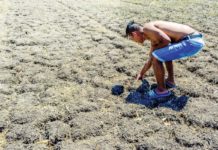




HOW SERIOUS are we about restoring our former mangrove areas? That question deserves an honest and urgent discussion.
We often talk about reforestation in upland areas, but what about the coastal ecosystems that protect our shorelines, support marine life, and sustain local livelihoods?
Mangroves: A Forgotten Priority?
When we speak of restoring mangroves, we must also consider former swamplands that have been converted into farmlands and fishponds.
While some of these lands remain commercially productive and should continue to be used for their current purpose, vacant spaces within these areas should be repurposed for mangrove reforestation. This is a practical and balanced approach that considers both environmental and economic interests.
Additionally, many rivers near the sea contain brackish water, making them suitable for mangrove planting along easement areas.
Legally, easement areas remain public lands, though there have been many cases where such lands have been titled as private property.
A reasonable compromise would be to require landowners or developers to plant mangroves in the vacant riverbank spaces within their vicinity. This ensures that the environmental benefits of mangroves are maintained while respecting property rights.
Time’s Up for Undeveloped Concessions
A critical policy change that should be considered is a statute of limitations for farmland and fishpond concessions in former swamplands.
If concessionaires fail to develop these areas within a given period, the government should revoke their concessions and reclassify these lands for mangrove restoration.
Measuring Progress: Where Are the Mangroves?
Mangrove restoration is already part of the National Greening Program (NGP), but how many mangrove trees have actually been planted?
The Department of Environment and Natural Resources (DENR) should be transparent and provide specific data on mangrove reforestation efforts.
We often hear ambitious tree-planting targets, but how many of those trees actually survive?
Involving Indigenous Tribal Peoples
Restoring mangroves is not just about planting trees — it’s about empowering communities. Indigenous Tribal Peoples (ITPs), who have long lived in swamplands and coastal areas, should be given financial and technical grants to actively participate in the NGP. They have traditional knowledge of these ecosystems, and with proper support, they can become effective stewards of mangrove forests. (To be continued)/PN