

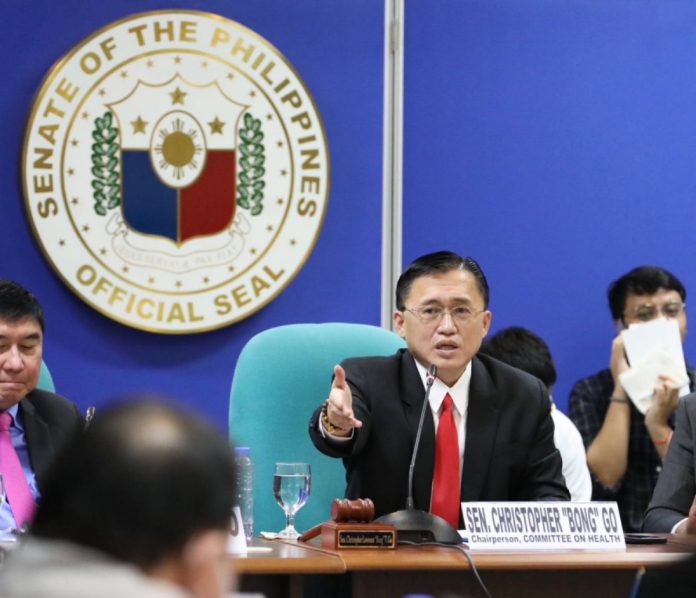
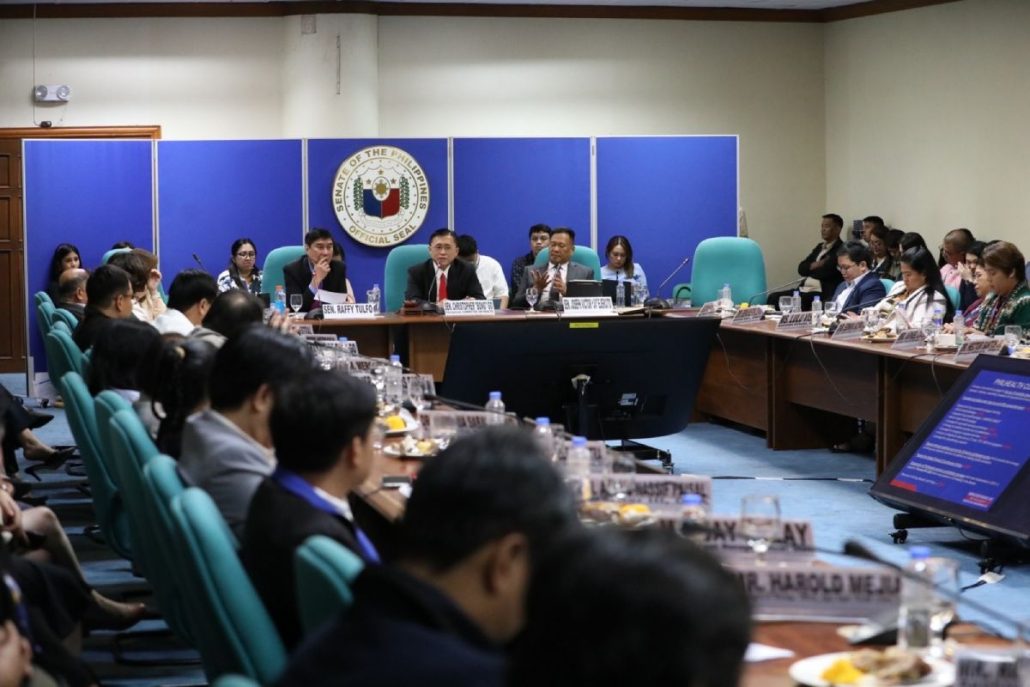
Senator Christopher “Bong” Go, Chairperson of the Senate Committee on Health and Demography, sustained his rigorous oversight of the Philippine Health Insurance Corporation (PhilHealth) during a public hearing he presided on June 3.
He sharpened focus on the agency’s persistent shortcomings—particularly its underutilized funds and unfulfilled reform commitments—while pushing for broader coverage that would benefit poor and underserved Filipinos.
Building on previous calls for accountability, Go reminded PhilHealth of its unfulfilled pledges made during earlier budget deliberations.
“Pinagmamalaki ko kayo dahil ‘yung mga pinangako n’yo, natutupad n’yo naman po pero tingnan n’yo po ‘yung iba, baka marami pang dapat n’yong gawin,” he stated, acknowledging partial progress but pressing for comprehensive implementation.
Among the reforms Go cited was the removal of the 45-day benefit cap, a longstanding concern among patients needing extended hospitalization. “Ito pong 45-day benefit limit policy, tinanggal n’yo na po ‘yan. So, ibig sabihin, hindi na limitado sa 45 days ang inyong coverage. Salamat,” he remarked, recognizing the policy shift as a positive step forward.
He then turned to reported unresolved issues, zeroing in on the 24-hour confinement requirement, which he criticized as “anti-poor” and was earlier repealed as part of their reforms but allegedly has not yet been fully implemented.
“Importante po ‘yung inyong ipinangako na i-repeal po itong anti-poor policy such as 24-hour confinement policy. Sabi n’yo, mag-iintroduce kayo ng emergency packages para hindi na kailangan magpa-admit ng 24 hours… Sana meron na kayong updates d’yan,” he said.
Go also stressed the necessity of enabling outpatient treatments and access to take-home medicines, especially for those unable to afford longer hospital stays.
The Senate hearing broadened its scope to include dental health, with Senator Raffy Tulfo drawing attention to the overlooked yet deeply consequential issue of access to dentures. He argued that for many impoverished Filipinos, the absence of proper dental care—particularly the lack of dentures—can be a barrier to employment and basic nutrition.
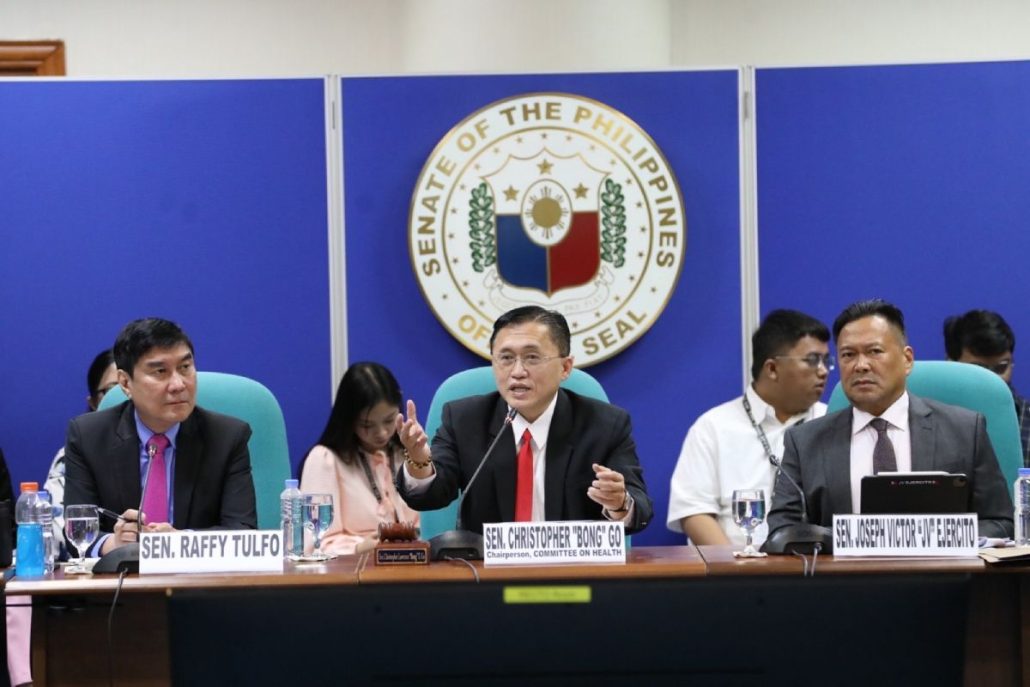
Tulfo explained that a person without dentures may struggle to find work or eat properly, ultimately affecting their self-esteem and livelihood. He stressed that ensuring access to dentures should be a starting point in empowering vulnerable individuals to regain their dignity and confidence.
Backing Tulfo’s advocacy, Go shared an anecdote from a prior encounter in Cebu: “Speaking of pustiso, may lumapit po sa akin sa Cebu two years ago, humingi ng postizo… Sana po ay makonsider n’yo po ito na mapag-aralan na masama (sa inyong benefits)… Not only check-up but itong pang-pasta.”
In response, PhilHealth President Edwin Mercado clarified that implementation efforts for expanded dental coverage were ongoing, but the accreditation of dental providers had not yet been finalized. He explained that a technical working group had already been formed to handle the dental packages, and they were aiming to convene as early as the following week to accelerate the process.
Go underscored the urgency of prioritizing these reforms. The inquiry shifted to vision care. Go welcomed PhilHealth’s benefit package for children aged 0 to 15 but questioned its limitations, particularly the exclusion of senior citizens. “Paano naman po ‘yung mga senior citizens natin… maasahan ba natin na masasama ‘yung nangangailangan ng libreng salamin?” he asked.
Mercado acknowledged the oversight and said that PhilHealth would begin studying possible steps to address the issue of preemptive optical care, particularly the inclusion of eyeglasses in its benefit packages.
As the hearing progressed, Go returned to a broader set of unfulfilled reforms. He reiterated the need for outpatient drug benefits, enhanced emergency outpatient services, and improved access to the Cancer Assistance Fund of DOH.
Go specifically flagged the underutilization of DOH’s Cancer Assistance Fund, recalling his role in doubling its allocation. “Ako mismo nag-push tayo na madoble ‘yung pondo ng Cancer Assistance Fund… Paano n’yo ba mapakinabangan ‘yung Cancer Assistance Funds na hindi masasayang at mababalik sa National Treasury?” he asked.
DOH Secretary Teodoro “Ted” Herbosa acknowledged the challenges candidly, explaining that limited accreditation and the shortage of eligible cancer centers were key obstacles. He noted that cancer remained the second leading cause of death among Filipinos, prompting the department to explore ways to expand access wherever there were oncologists and qualified medical professionals.
Herbosa also highlighted a regulatory hurdle: many of the newer, more effective cancer drugs were not yet listed in the Philippine National Drug Formulary, which meant public funds could not be used to purchase them. As a result, the government was still resorting to temporary, piecemeal solutions.
Go, however, pressed further, calling for leadership and political will. “Gaya ng sinabi ko kanina, kung gustuhin talaga, magagawan talaga ng paraan. It’s purely initiative,” he asserted.
He concluded his interpellation with a firm message: “Tututukan ko po ito, ‘yung inyong mga pangako hanggang hindi n’yo po natutupad ang inyong mga ipinangako.”