


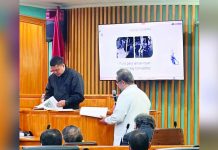

THE ISSUANCE of a second subpoena to former Ako Bicol Representative Zaldy Co by the Independent Commission for Infrastructure (ICI) after his repeated failure to appear before the panel underscores a fundamental principle of democratic governance: that no one, not even lawmakers themselves, is above the law.
A subpoena is not a mere invitation. It is a command backed by law. Derived from Latin meaning “under penalty,” it compels the presence of a person before a competent authority to testify, present documents, or both.
In the Philippines, the power to issue subpoenas is not confined to the courts. Under the Rules of the House of Representatives, as well as statutory provisions such as the Rules of Court and the Rules of the Senate, they may summon witnesses and demand records necessary for the exercise of their oversight and investigative powers.
When a public official disregards a subpoena, it is not simply a scheduling conflict or political statement – it is a direct affront to legislative authority. The refusal to appear not only hampers the inquiry at hand but also weakens public confidence in the accountability mechanisms that keep government transparent. If lawmakers themselves disregard subpoenas, how can they expect ordinary citizens to respect legal orders?
Rep. Co’s no-show before the ICI, which is reportedly investigating irregularities in public fund allocation, is more than a procedural lapse. It raises questions about transparency and the integrity of public office. Whether the inquiry concerns infrastructure, public spending, or administrative conduct, the public deserves full disclosure from those entrusted with their taxes.
The right to due process includes the right to be heard, but it also imposes a corresponding duty to appear when summoned by lawful authority. The rule of law rests on reciprocity: government demands obedience to its laws because it abides by them itself.
Congressional subpoenas are not political weapons; they are tools of accountability. Compliance should not depend on convenience or political alliances. For every official, appearing before an inquiry is both a legal duty and a moral obligation to affirm that public service is not personal privilege but public trust.
In the end, it is not merely the absence of one lawmaker that weakens the process, but the dangerous precedent it sets. When those who make the laws refuse to follow them, the very foundation of justice begins to crack./PN