

THERE are days when we travel because we have somewhere to go, and there are days when we travel simply because we need to get away for a while.
For me, Bacolod has always been an easy escape. Just a ferry ride away from Iloilo, the City of Smiles offers a familiar change of scenery — a few hours across the water from the City of Love to a place where food, culture and warm encounters make every visit memorable.
As an Ilongga who has always enjoyed exploring new places, I have crossed that stretch of sea more times than I can count, usually for work, events or stories waiting to be covered.
But this time, I wanted something different.
No rushing to the next assignment. No watching the clock or worrying about deadlines. Just one day to wander around Bacolod, enjoy its food, observe its people and discover what makes this city smile.
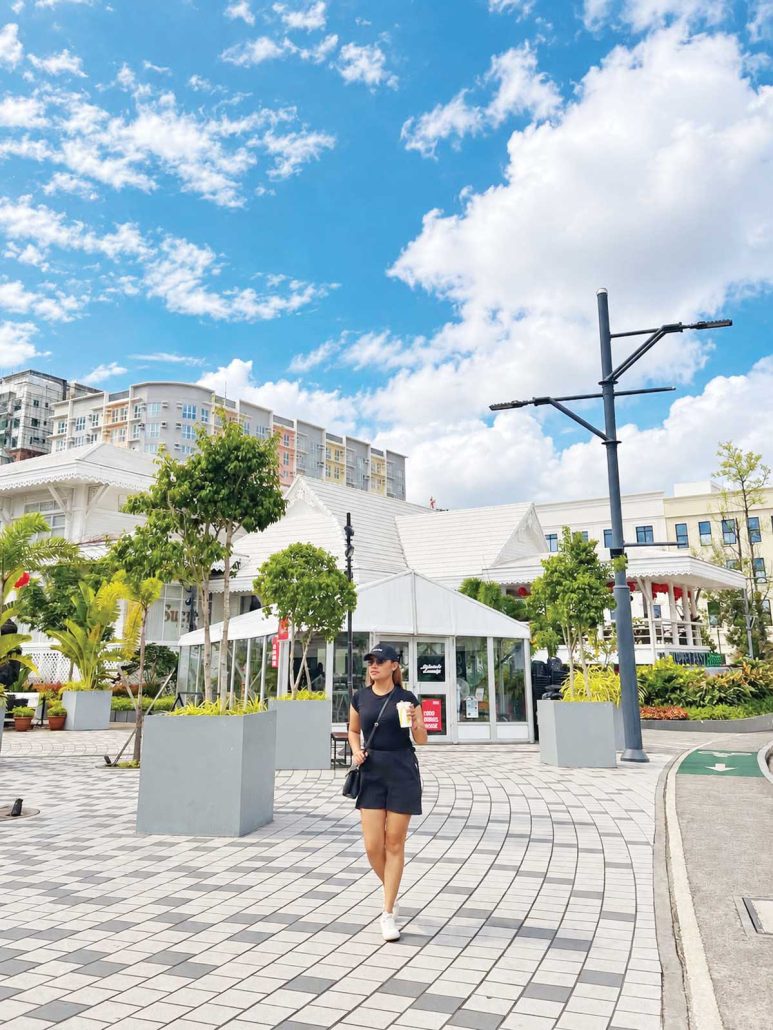
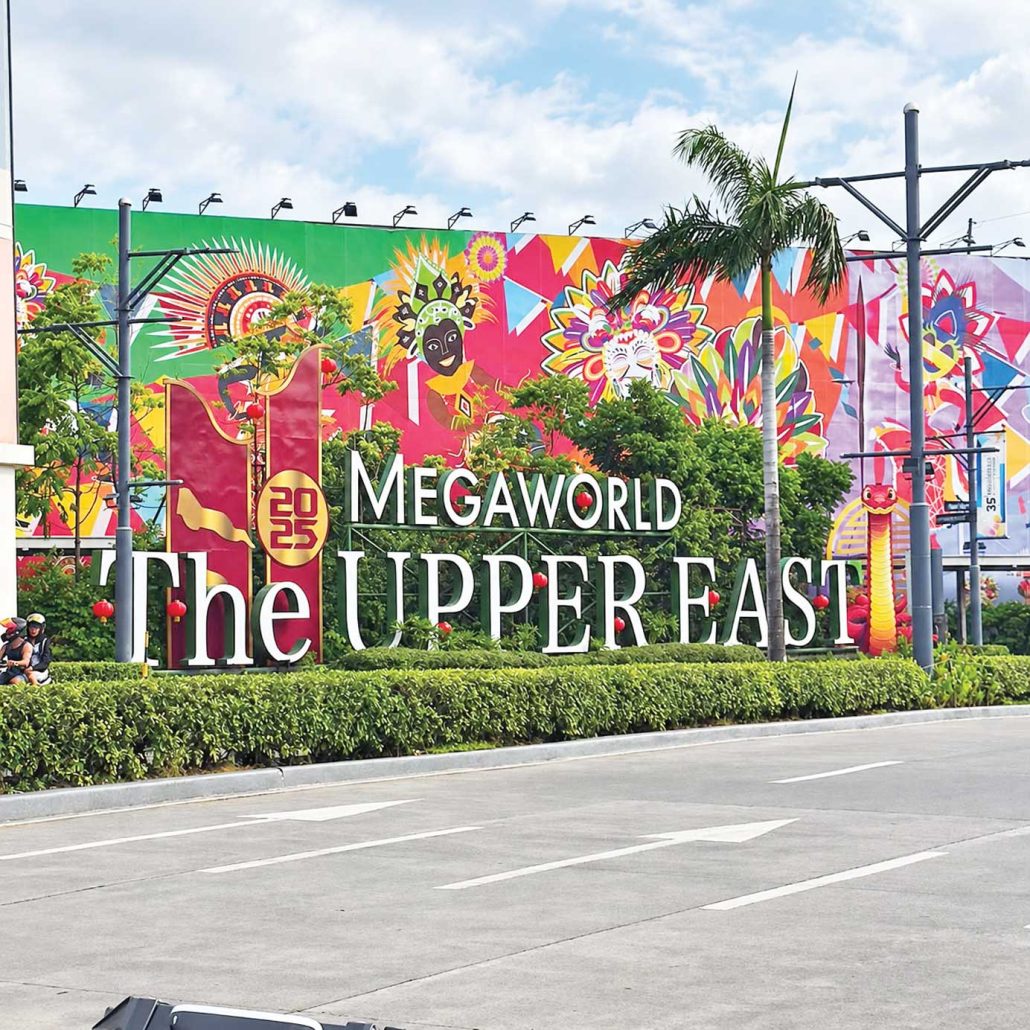
My journey began at Megaworld The Upper East, where Bacolod’s modern side is steadily taking shape. Its open spaces, contemporary buildings and growing commercial establishments reflected a city moving forward, much like Iloilo.
Yet amid the signs of progress, Bacolod retained a character all its own — familiar, welcoming and seemingly content to move at its own pace.
Then, as often happens whenever I travel, my thoughts turned to food.
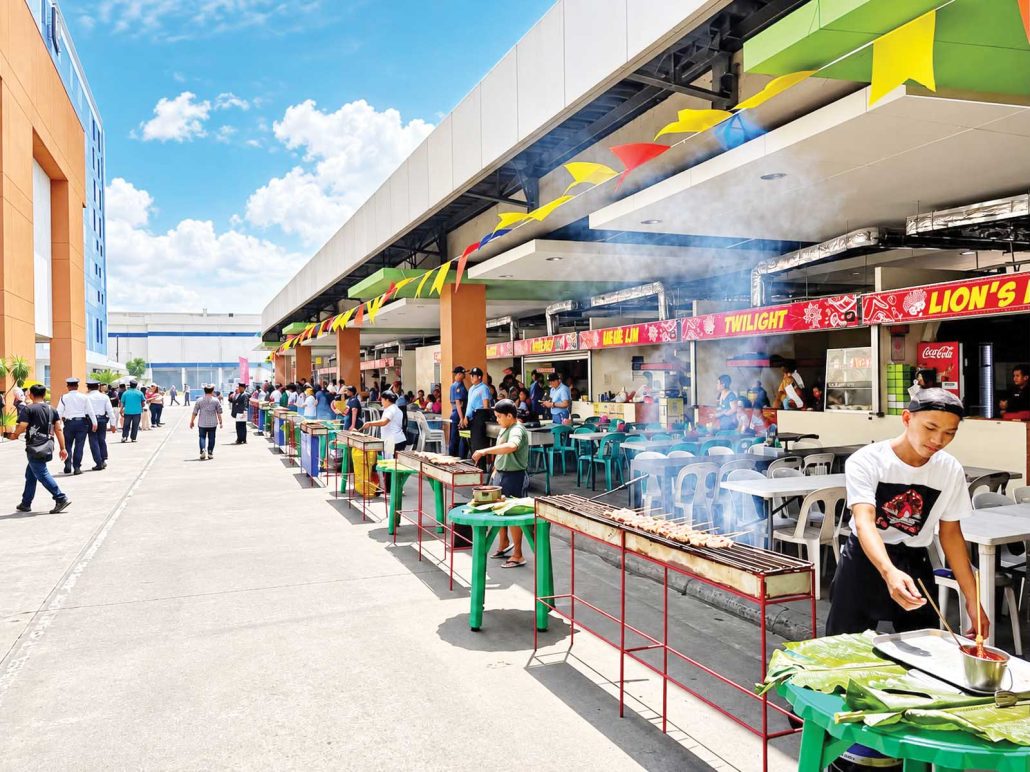
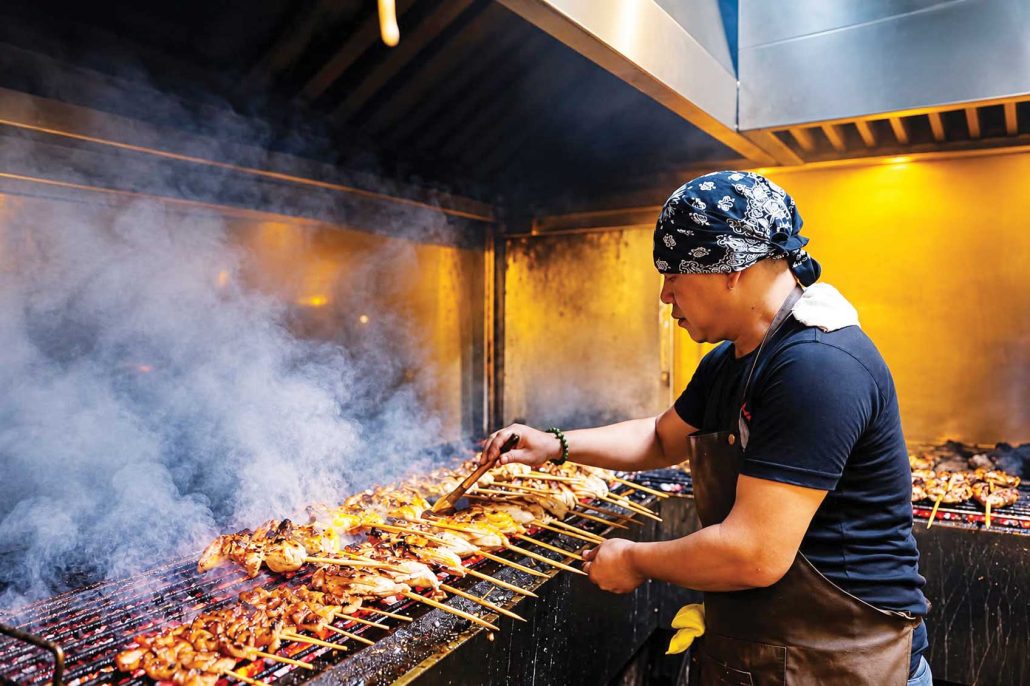
At Manokan Country, the aroma of chicken inasal filled the air even before I found a place to sit. Smoke rose from the grills as cooks turned marinated chicken over glowing charcoal, brushing each piece with sauce while working against the heat.
For a moment, I stopped to watch them.
It was easy to appreciate the food on the plate, but behind every serving were people who had spent hours grilling, preparing and serving meals to hungry customers. Their work, repeated day after day, was part of what made the experience possible.
For an Ilongga, inasal is hardly unfamiliar. Yet eating it in Bacolod feels special. Perhaps it is because the dish is so deeply woven into the city’s identity, or perhaps it is simply because food tastes better when enjoyed without the pressure of having somewhere else to be.
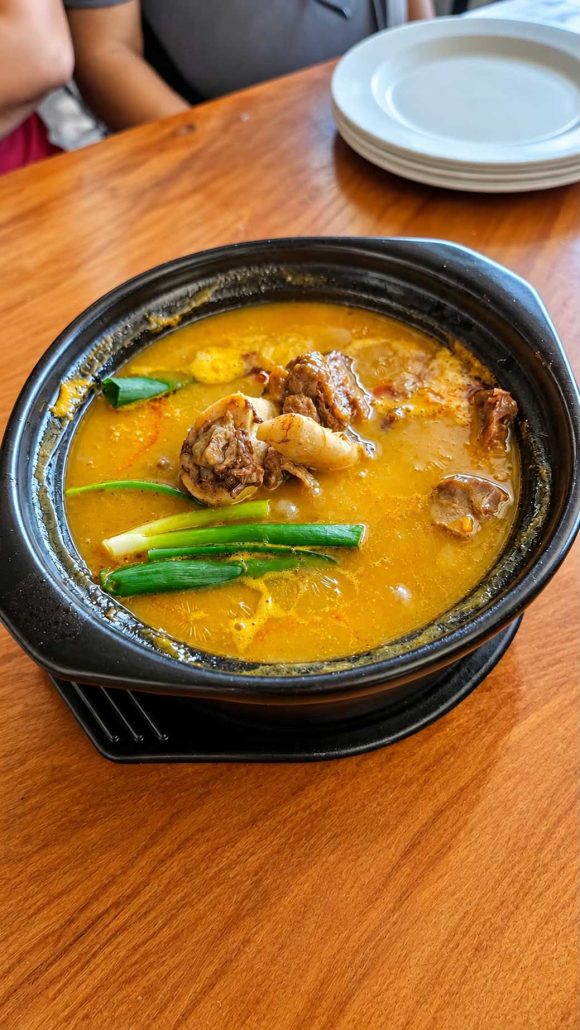
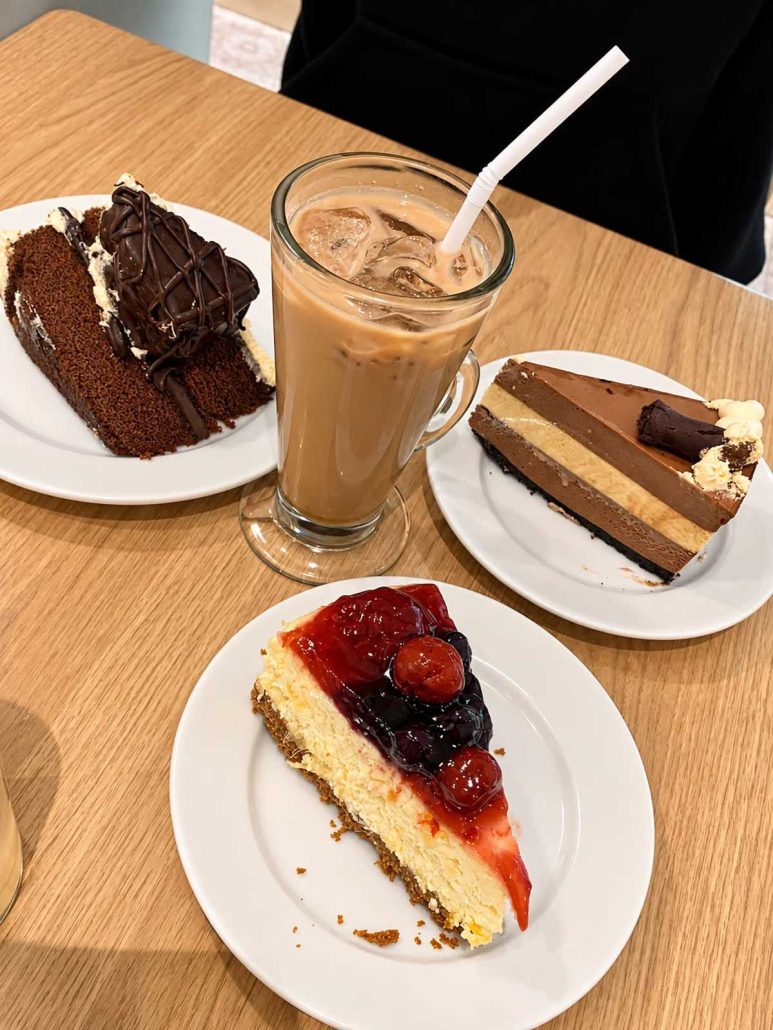
There was also kansi, its rich, comforting broth offering a welcome pause before cake and coffee at Calea.
For a few hours, I was not a reporter searching for a lead, checking facts or putting together a story.
I was simply a traveler enjoying a meal. And perhaps that was exactly what I needed.
Beyond the festival masks
As I continued wandering, I began noticing the people I might otherwise have passed without a second glance.
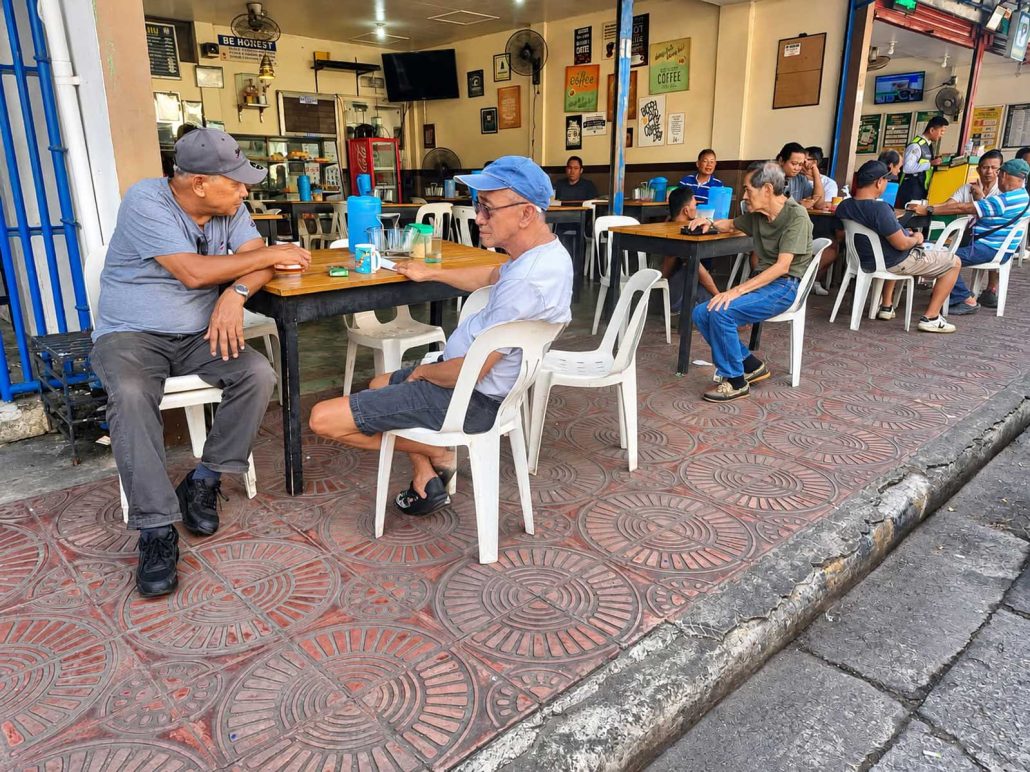
Jeepney and tricycle drivers navigated familiar streets with the ease of those who had memorized every turn. Inasal grillers worked through the afternoon heat. Elderly Bacolodnons sat along the sidewalks, watching the city move around them.
There was something quietly reassuring about these ordinary scenes.
I have always believed that the best stories are not necessarily found at grand events or in the statements of prominent personalities. Sometimes, they emerge from the simplest encounters: an elderly resident recalling what a neighborhood used to look like, a driver sharing his observations about the city, or workers exchanging laughter after a long day.
These moments may never make the front page, but they help explain a place in ways that statistics and official pronouncements cannot.
A city is more than its buildings, landmarks and celebrated attractions. It is also the people who wake up early to work, keep businesses running, raise families and find reasons to carry on despite life’s uncertainties.
In their routines are stories of perseverance, familiarity and quiet joy — stories that deserve to be noticed, too.
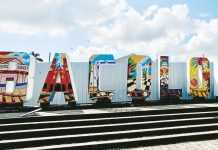
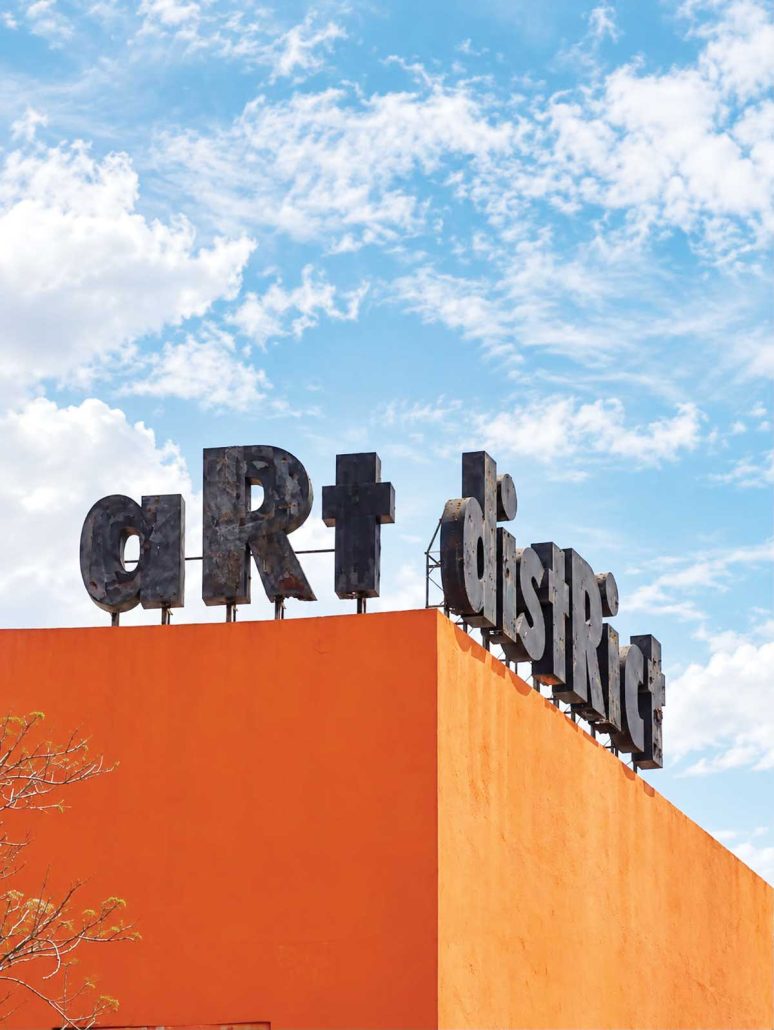
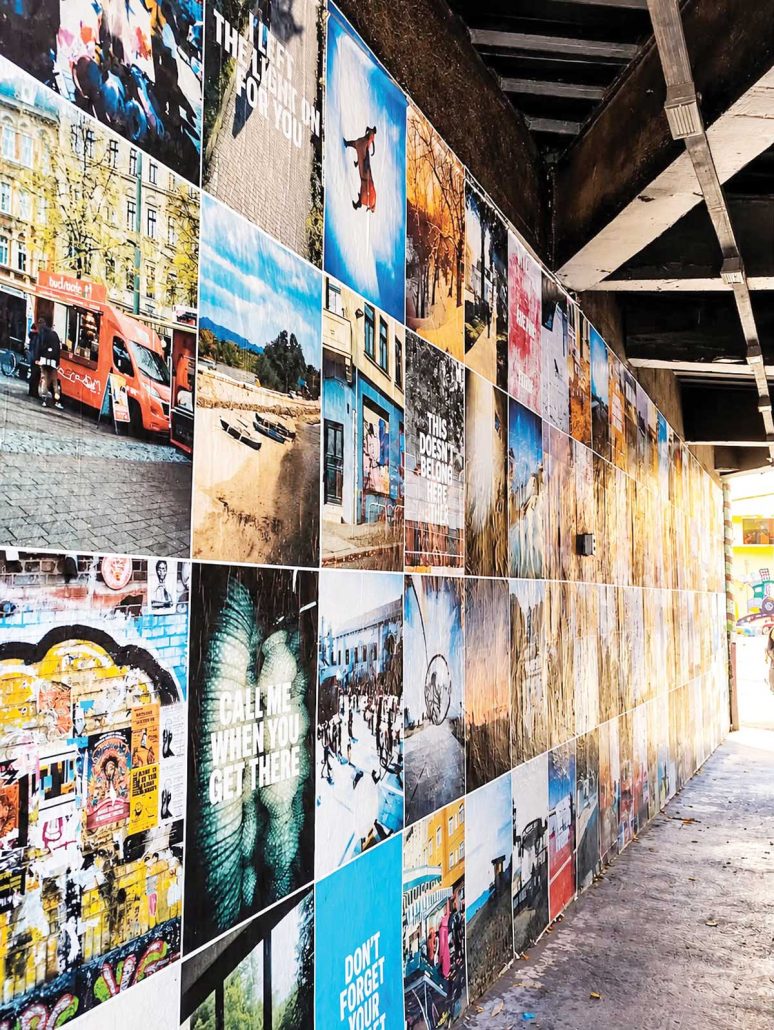
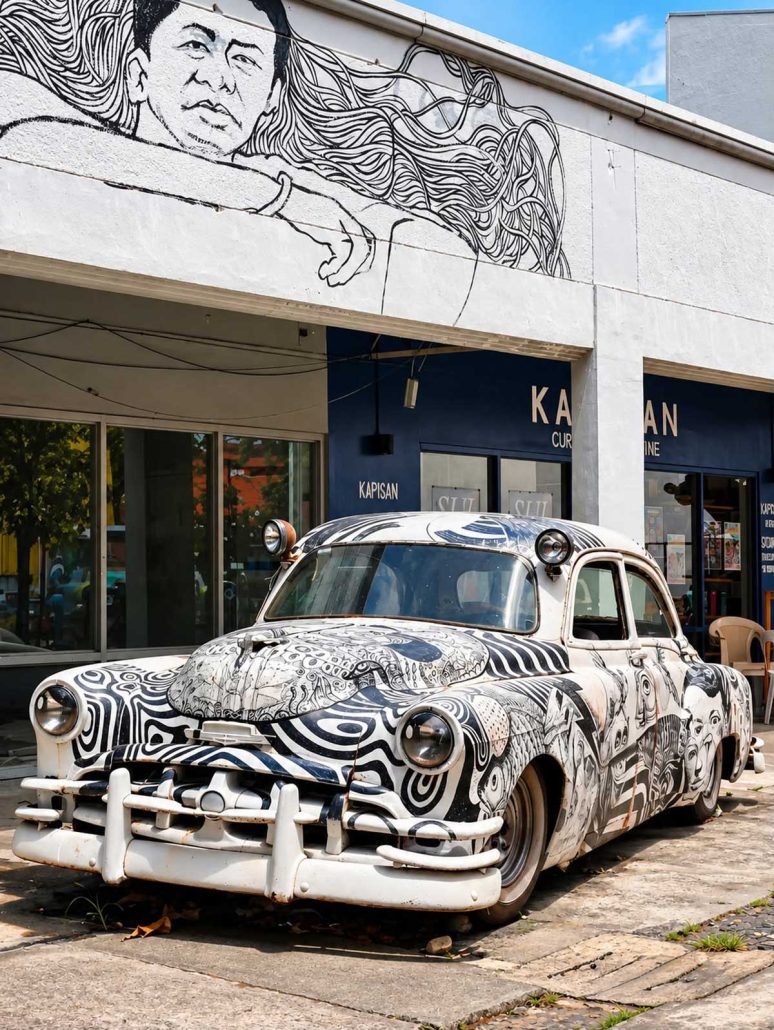
By afternoon, I found myself at the Art District, where colors and creativity offered another glimpse of Bacolod’s character.
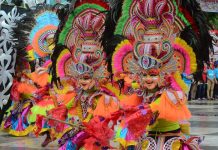
With this year’s MassKara Festival, streets come alive with colorful masks, music, dancing and celebrations. Visitors arrive, businesses welcome crowds, and Bacolod once again put on a spectacular display of the energy that has made its festival famous.
MassKara is, after all, one of the city’s most recognizable celebrations. Its smiling masks have become a symbol of Bacolod, drawing people from different places to take part in a shared celebration of culture and community.
But before the music grows louder and the streets fill with revelers, I found myself appreciating another side of the city.
The Bacolod that wakes up early for work.
The Bacolod that grills chicken under the afternoon sun.
The Bacolod that waits for a jeepney, serves coffee to a customer or sits outside to exchange stories with a neighbor.
The Bacolod that smiles even when nobody is watching.
Perhaps this is where the city’s famous smile finds its deeper meaning.
The meaning of a smile
A smile does not mean that everything is perfect. It does not erase the struggles people face, the long hours they work or the uncertainties that come with everyday life.
Instead, a smile can be a small act of hope — a way of finding happiness in ordinary things even when life is not always easy.
It can be found in a meal shared with friends, a familiar face on a busy street, a stranger offering directions or a conversation that makes an ordinary afternoon feel a little lighter.
Sometimes, it is simply the relief of having another day to live, work and spend time with the people who matter.
Perhaps this is what makes Bacolod’s identity as the City of Smiles endure beyond its festival season. The smile is not confined to the masks worn by dancers or the photographs taken by tourists. It lives in the everyday encounters that make people feel welcome, even when they are only passing through./PN